


The kiss: a touch between two lips whose alliance is oral health

February, the month of love that finds the best expression through kissing. Without a doubt, it is the universal language for showing affection and intimacy to someone.
Present in various cultures of the world, the act of kissing has a great emotional significance but also has direct implications on the oral health of the individuals involved.
Have you ever thought about the relationship between kissing and oral health? Today is the day, but be aware that both intend to maintain a serious and healthy relationship!
This is what you’ll find out how in our blog post. Let’s talk about the benefits, risks and care to have when kissing someone and spreading love!
Contents approached
There is an ecosystem in your mouth. Know the oral microbiota
There is a community of bacteria and microorganisms that inhabit the mouth and have a direct relationship with the gut microbiota. If you are looking for the proper functioning of the organism, care for this ecosystem housed in the mouth is fundamental.
It is in the human oral cavity that a complex community of microorganisms, known as oral microbiota, is housed. It is estimated that there are more than 300 bacterial species in the mouth*, playing essential roles in maintaining oral health.
During a kiss, saliva transfer occurs between partners, facilitating the exchange of bacteria and other microorganisms. He adds a study by Microbiome** that a 10-second kiss can result in the transfer of up to 80 million bacteria.
This bacterial exchange can contribute to the diversification of oral microbiota, which in some cases may be beneficial for the immune system, but not in all!
It is important to recognize that not all bacteria are harmless, quite the contrary. Transmission of pathogenic microorganisms can occur through kissing, especially if one individual has oral or systemic infections.
What diseases are transmitted by the kiss?
Direct saliva contact during kissing can trigger the transmission of several diseases, some of them quite common such as:
- Herpes simplex: Caused by the herpes simplex virus (HSV), it often manifests itself through lesions on the lips or perioral region. The virus can be transmitted even in the absence of visible symptoms.
- Infectious mononucleosis***: Known as the "kissing disease", it is a viral infection caused by the Epstein-Barr virus (EBV). This virus is found in the saliva and oropharynx of infected people and is characterized by symptoms such as fever, sore throat and head and fatigue.
- Flu and colds: Respiratory viruses can be transmitted through saliva, especially during periods of increased contagion.
No que diz respeito à saúde bucal é também possível identificar doenças que se desenvolvem através do beijo, falamos de:
- Dental caries: Streptococcus mutans, a major cause of tooth decay, can be transmitted between partners through kissing, increasing the risk of developing carious lesions.
What are the benefits of kissing for oral health?
We talked above the less pink side of the kiss, to now talk about the good, that is, the benefits of the kiss for oral health.
The act of kissing stimulates the salivary glands, increasing saliva production. Saliva plays a crucial role in neutralizing acids, removing food particles and protecting against cavities.
At the same time, exposure to new bacteria can help strengthen the immune system by promoting antibody production and increasing resistance to infections.
Who loves cares… even in a kiss!
To minimize the risks associated with kissing and promote oral health, it is advisable to adopt the following practices that will impact your partner’s health
- Proper oral hygiene: Brush your teeth at least twice a day while maintaining proper oral hygiene, use dental floss daily and properly use other oral hygiene products as recommended by the dentist.
- Avoid kissing during episodes of illness: If you have symptoms of oral or systemic infection, it is wise to avoid kissing to reduce the risk of transmission.
- Regular visits to the dentist: Periodic consultations allow for early detection of oral problems and maintenance of oral health.
- Do not share personal utensils: Avoid sharing toothbrushes, cutlery or other objects that come into contact with saliva.
Why is consultation with our oral health professionals important?
The professionals of A Clínica are duly prepared and authorized by the Order of Dentists for the practice of dental medicine, providing personalized guidance on oral care and clarifying questions related to the transmission of diseases through kissing.
Each of our professionals is able to give the most appropriate response to each patient in areas such as oral hygiene, periodontology and other specialties that aim to ensure a healthy smile. We don’t sell treatments, but we give back smiles!
For all that has been said, we have already realized that the kiss, as an expression of affection, has significant implications on oral health and there is this dichotomy between benefits and risks of disease transmission.
Privilege balance and continue to spread love with kisses that mirror love and don’t bring unwanted gifts.
Adopt proper oral hygiene practices and have regular consultations with oral health professionals, both of which are essential to ensure that kissing is a transmission of love and a safe and healthy experience.
Additional sources and readings:
* Order of Dentists (OMD)
**Expected global distribution of Burkholderia pseudomalley and melioidosis load
***Infectious mononucleosis – SNS 24
You may be interested in:
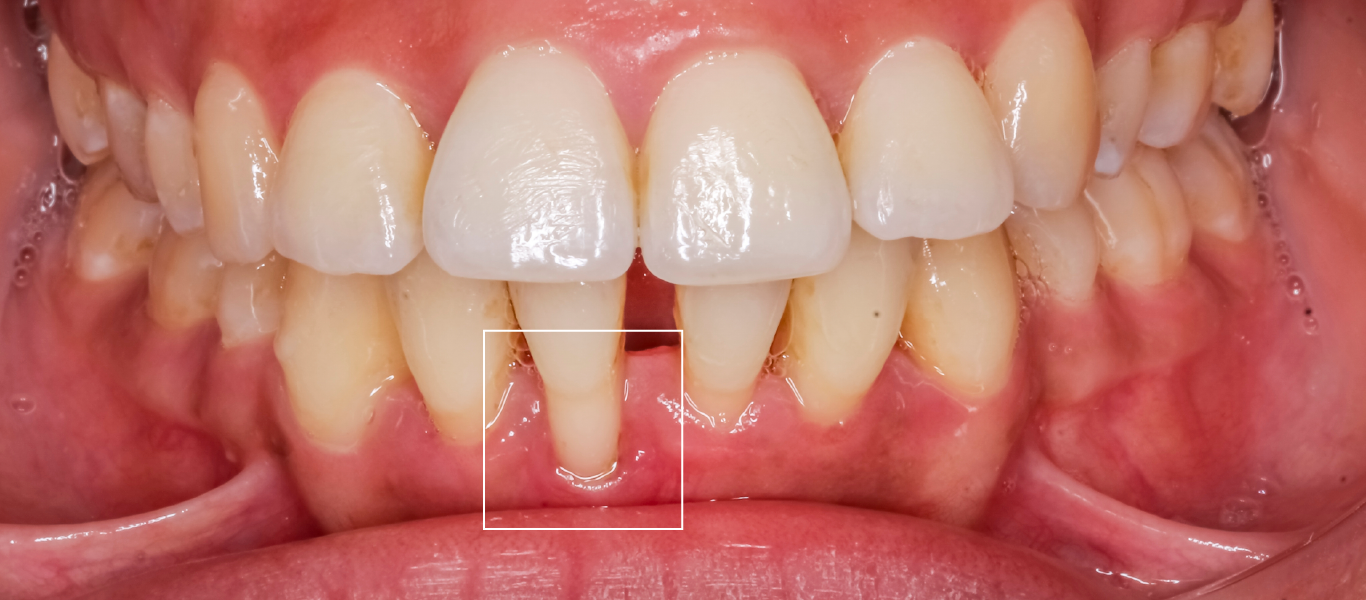
Gingival recession: why does the gum recede and when should it worry?
The gum receded and the tooth looks bigger? Know what the signs and possible causes of gingival recession are, when to seek evaluation and how it can be treated.

Back to workouts? A personalized mouthguard protects more than just your smile
Doing sports at risk of impact? Learn how a personalized mouthguard helps protect teeth, gums and oral tissues.