Child braces: waiting can make treatment more difficult
Many parents believe that a child orthodontic device should only be considered when all the permanent teeth have already been born. However, in pediatric orthodontics, waiting too long can do precisely the opposite of what is intended: make treatment more complex.
And the first signs rarely appear clearly.
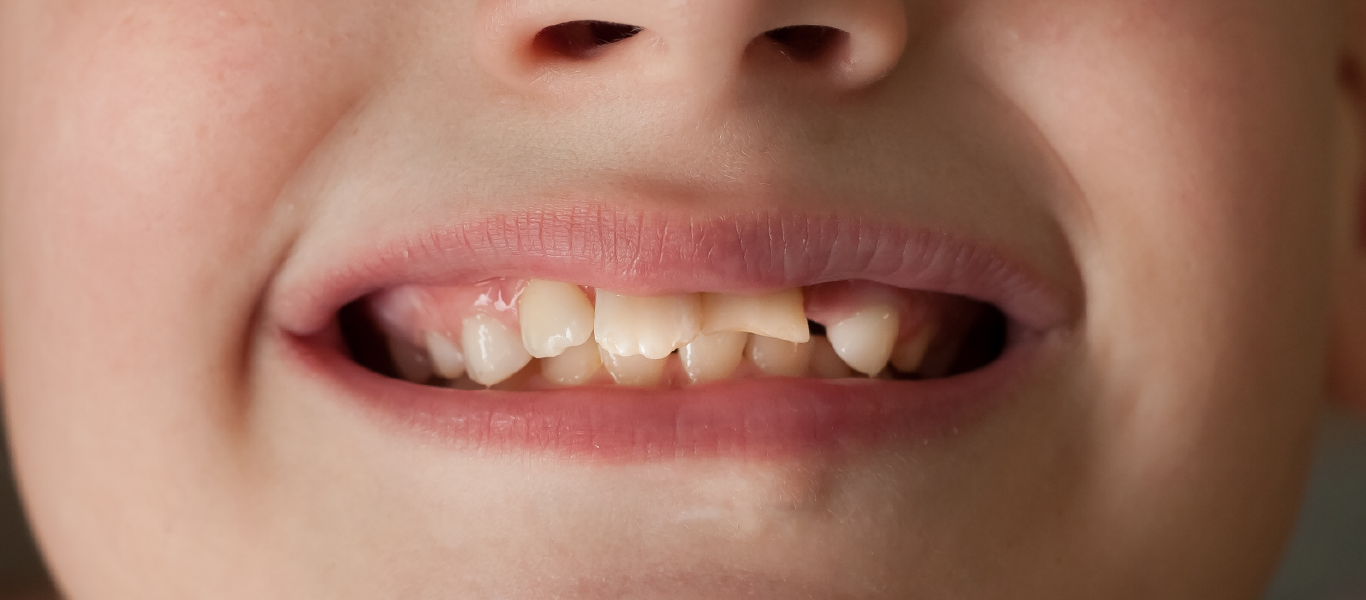
Sometimes, it all starts with small details of everyday life. A child who constantly breathes through the mouth. Definitive teeth to be born without space. Difficulty in pronouncing a few words. A bite that looks slightly “misaligned”. Long-term lollipop or finger sucking habits that end up influencing oral growth without parents noticing immediately.
In fact, in many children, the problem begins long before teeth become crooked, so early intervention is necessary. Let’s explain in this article what you should pay the most attention to.
Contents approached
What are children’s orthopedic devices (functional devices)?
Orthopedic appliances, also known as functional appliances, are used during the child’s growth phase to guide bone and dental development.
Contrary to what many people imagine, the goal is not always just to align teeth.
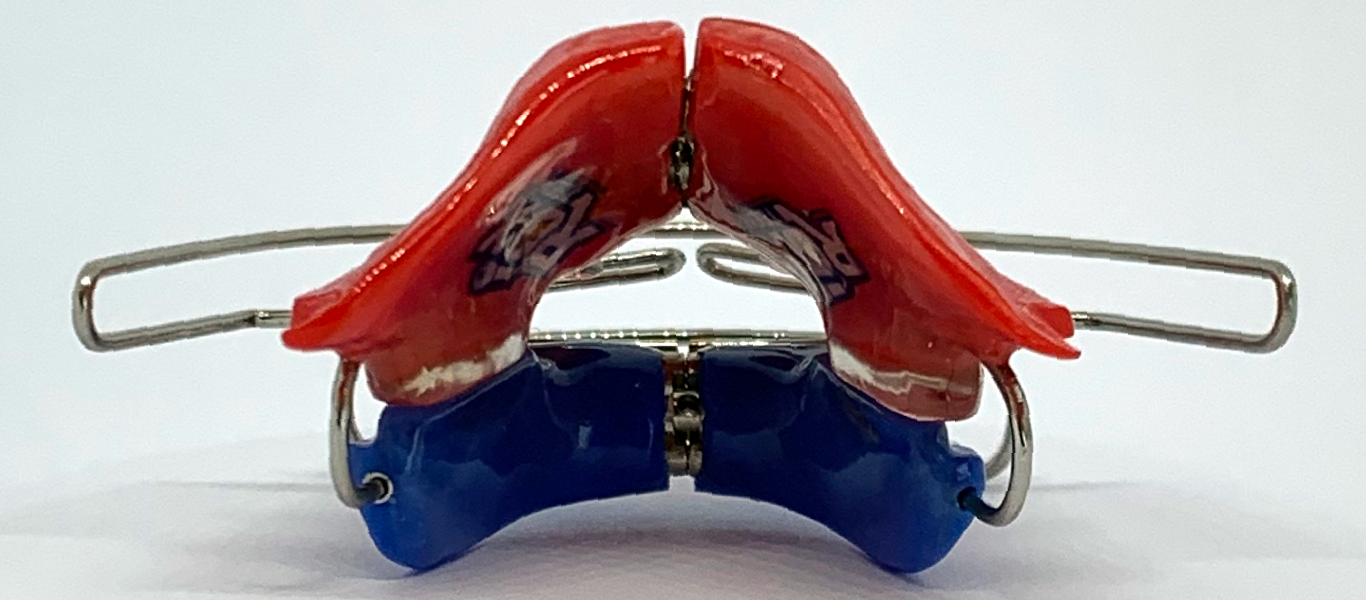
In many cases, treatment seeks to create conditions for the mouth, jaws and bite to develop more evenly while the child is still growing.
It is a treatment option for children with decal or mixed dentition, aiming to prepare the spaces between the teeth for the development of definitive dentition and jaw structure.
Depending on the case, orthodontic appliances can help with:
- Create space for the permanent teeth
- Correct bite changes
- Guide jaw growth
- Improve functions associated with breathing and chewing
- Reduce future orthodontic complications
Did you know that it is precisely during childhood that there is a greater ability to intervene in bone growth? This could make a significant difference in the future.
Some indicators of the need for a children’s device to be evaluated in consultation
One of the biggest difficulties for parents is to understand when there is a real need for orthodontic assessment.
Many children have no pain. Others can chew normally. In several cases, the teeth appear relatively aligned at an early stage.
But there are small signs that deserve attention:
- Overlapping teeth
- Lack of space for permanent teeth
- Cross bite
- Difficulty in closing the mouth properly
- Frequent oral breathing
- Changes in speech
- Abnormal tooth wear
- Prolonged oral habits
At A Clínica, we encounter the parents you are looking for quite frequently, only evaluated when the permanent teeth start to be born “outside the site”. However, at that time some changes are already quite installed. And the later certain situations are followed, the less naturally the ability to guide growth.
In any case, the OMD (Order of Dentists) recommends that a consultation for an assessment of child orthodontics be made between 6-7 years of age, when the dentition becomes final.
Why does the growth of the child influence so much treatment with a baby brace?
In child orthodontics, the most important factor is not just the device. It’s the right moment.
During growth, the bones continue to develop. This makes it possible to correct certain changes in a much more predictable, less invasive and often simpler way than would be possible later.
When there is a lack of dental space, for example, functional appliances can help in the development of arcades before the permanent teeth become completely blocked or misaligned.
In some cases, this early intervention may reduce the need for more complex treatments during adolescence.
More than aligning teeth, the real goal is to create functional and structural balance while growth can still be steered.
What is the relationship between orthodontics and speech therapy?
In certain children, changes in bite and oral posture can influence important functions such as:
- talk
- chewing
- swallowing
- breathing
For this reason, some pediatric orthodontic treatments are also accompanied by speech therapists, allowing a more complete and integrated approach to the child’s oral development.
Every case is different. And it is precisely this individualization that allows for more stable and natural long-term outcomes.
In this video, our expert, Dr. Andreia Pais, explains in a simple way how functional devices can help in oral development and bite growth during childhood:
Is treatment often difficult for children?
This is one of the most frequent concerns of parents.
Adaptation always varies from child to child, but most get used to the device in a much simpler way than adults imagine.
In the first few days there may be some feeling of pressure or strangeness. Still, when the child understands the purpose of treatment and there is close follow-up during consultations, adaptation tends to happen smoothly.
Today, children’s orthodontic appliances are much more comfortable, discreet and adapted to the daily routine of children than many families think.
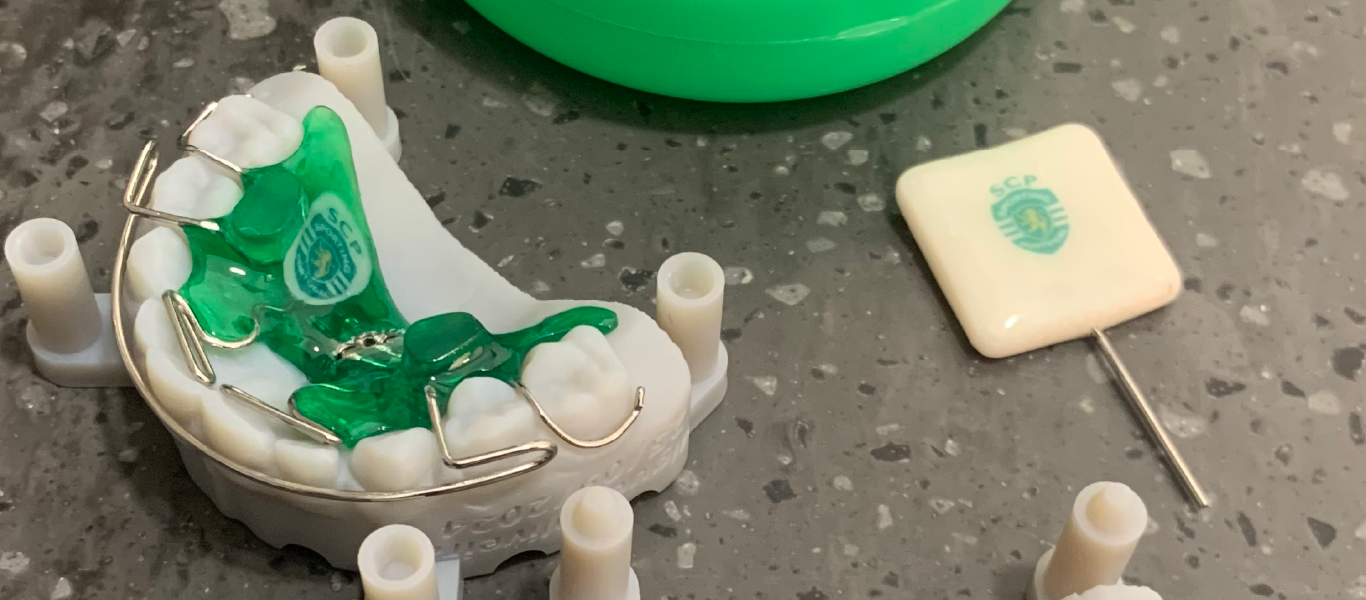
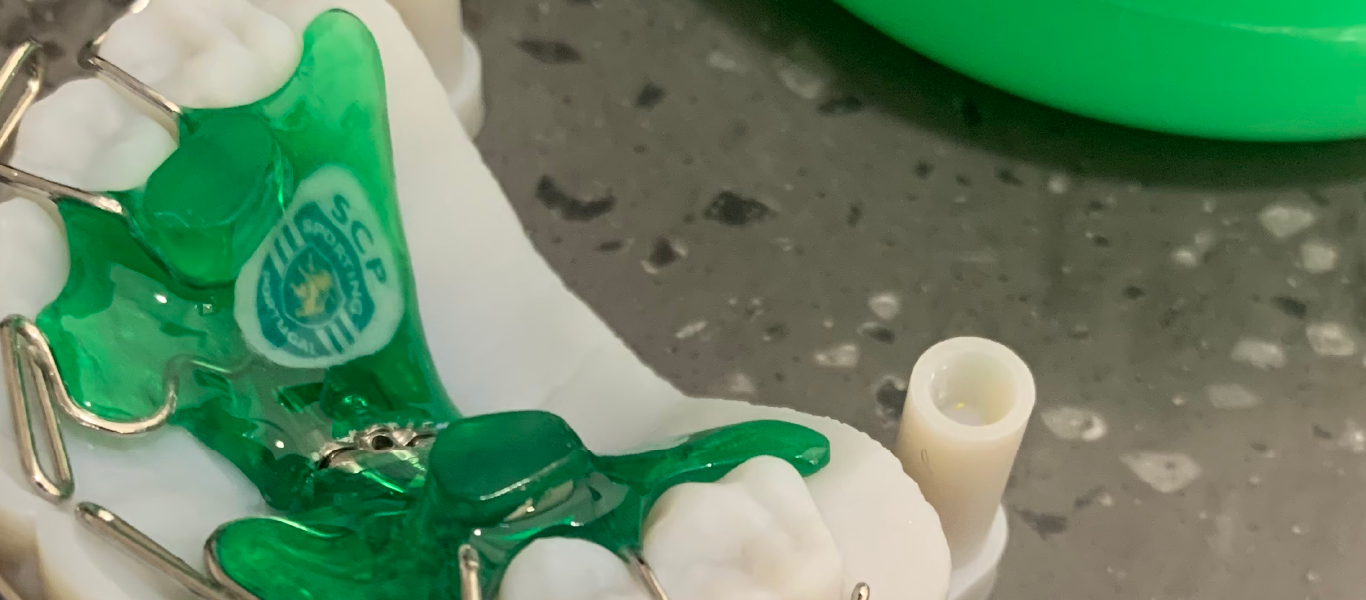
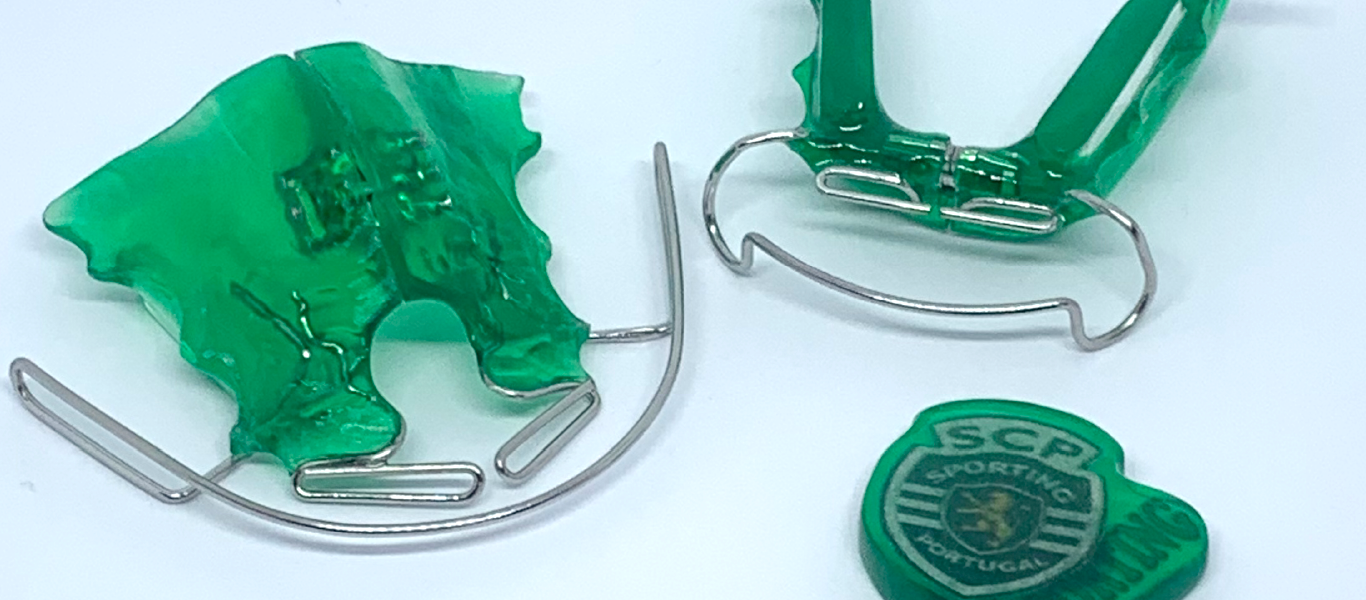
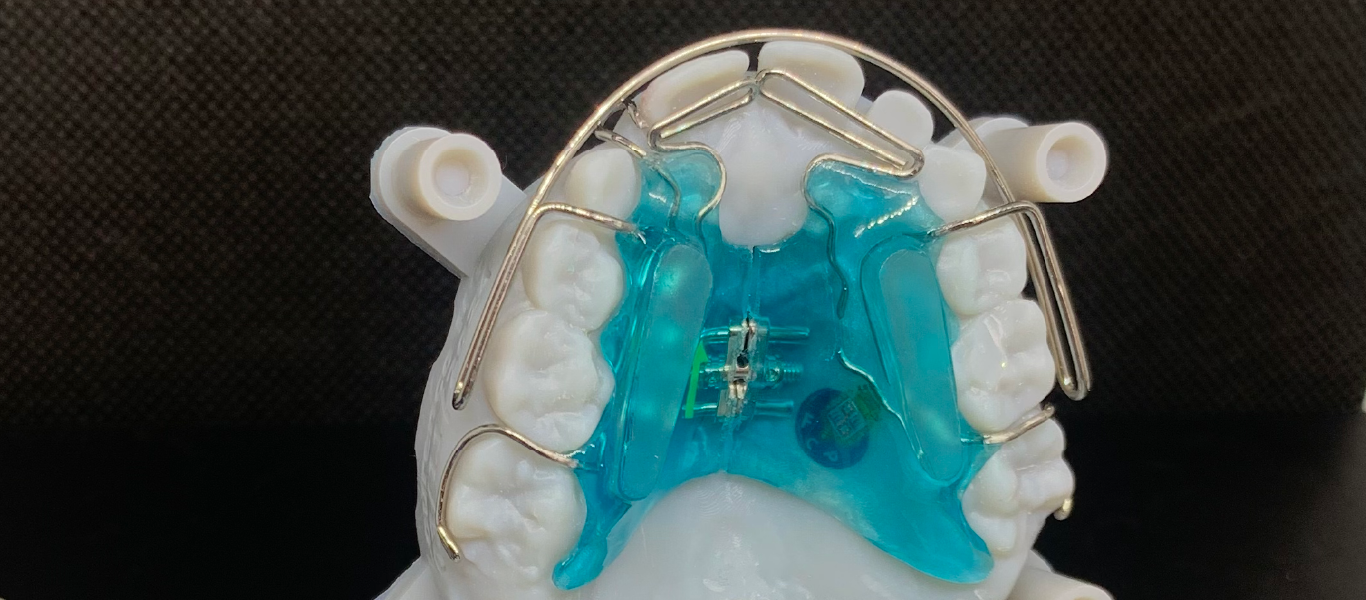
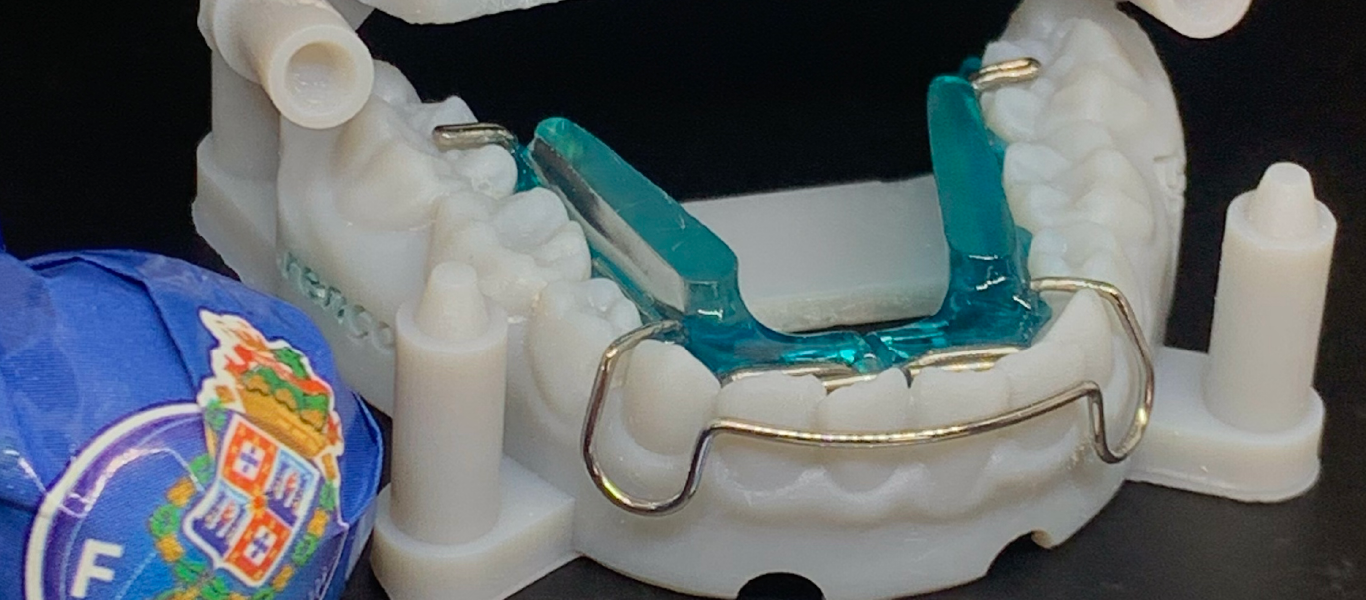
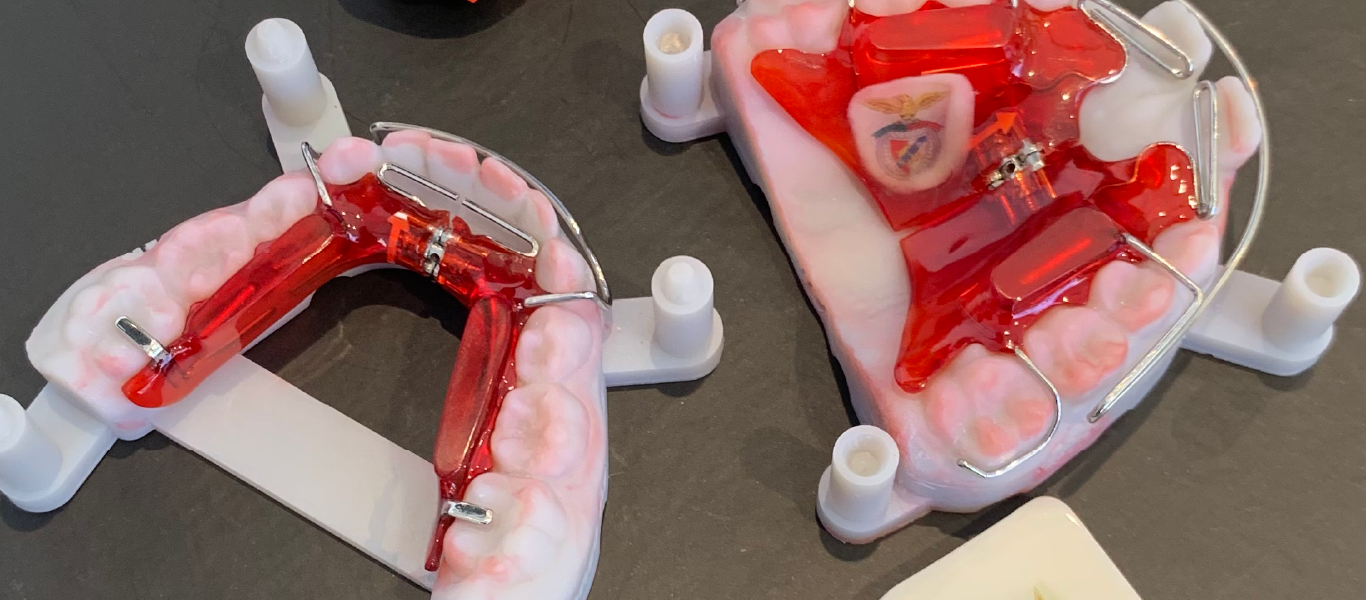
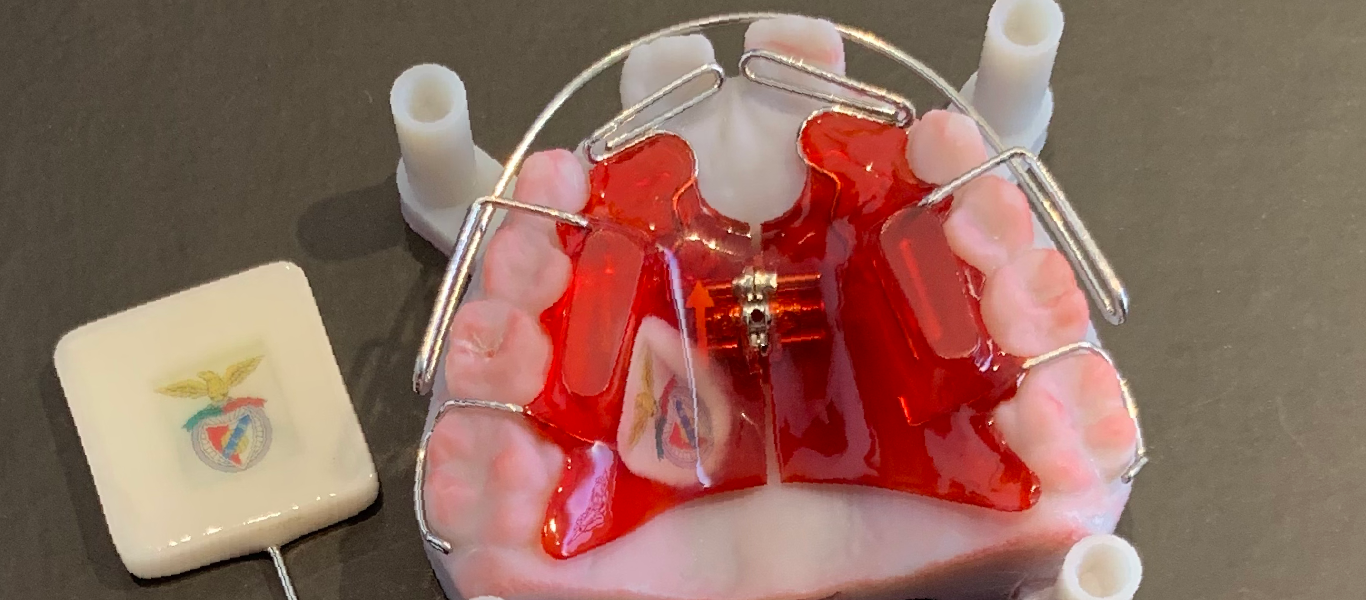
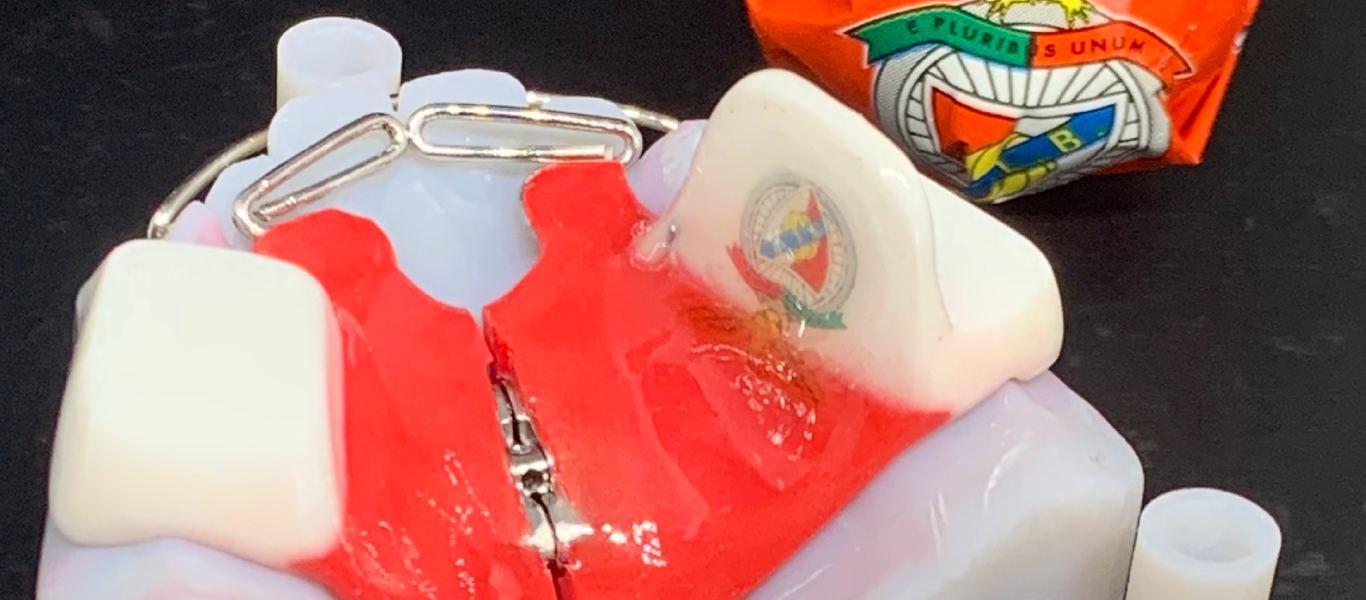
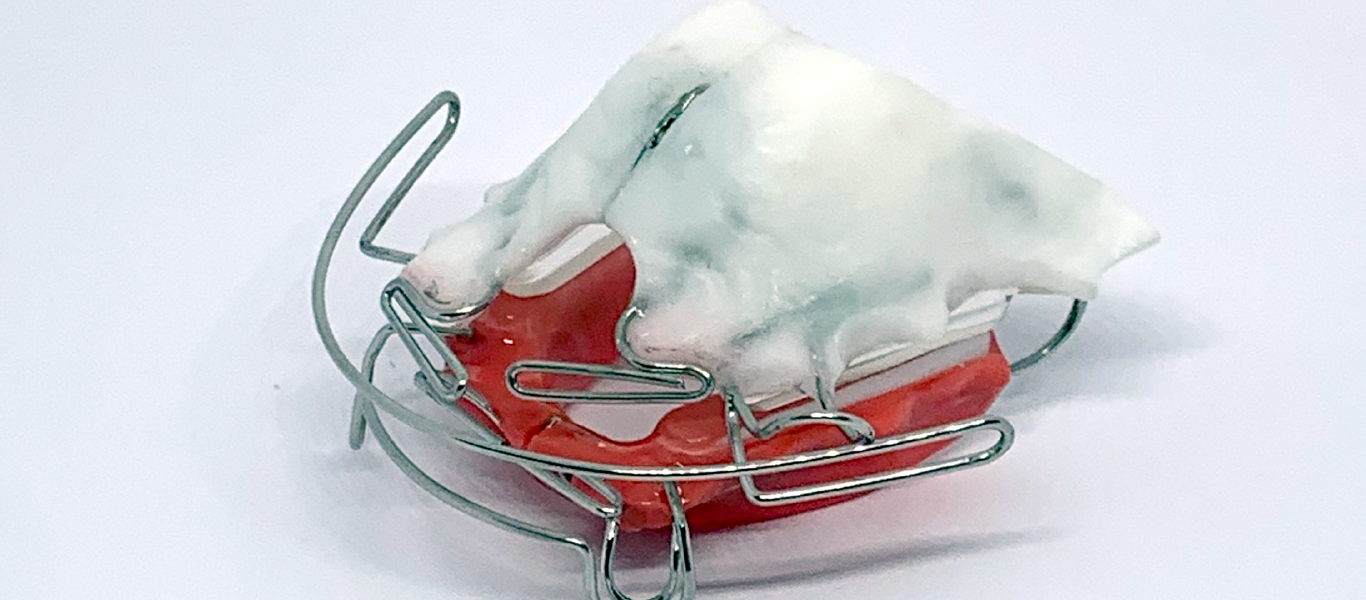
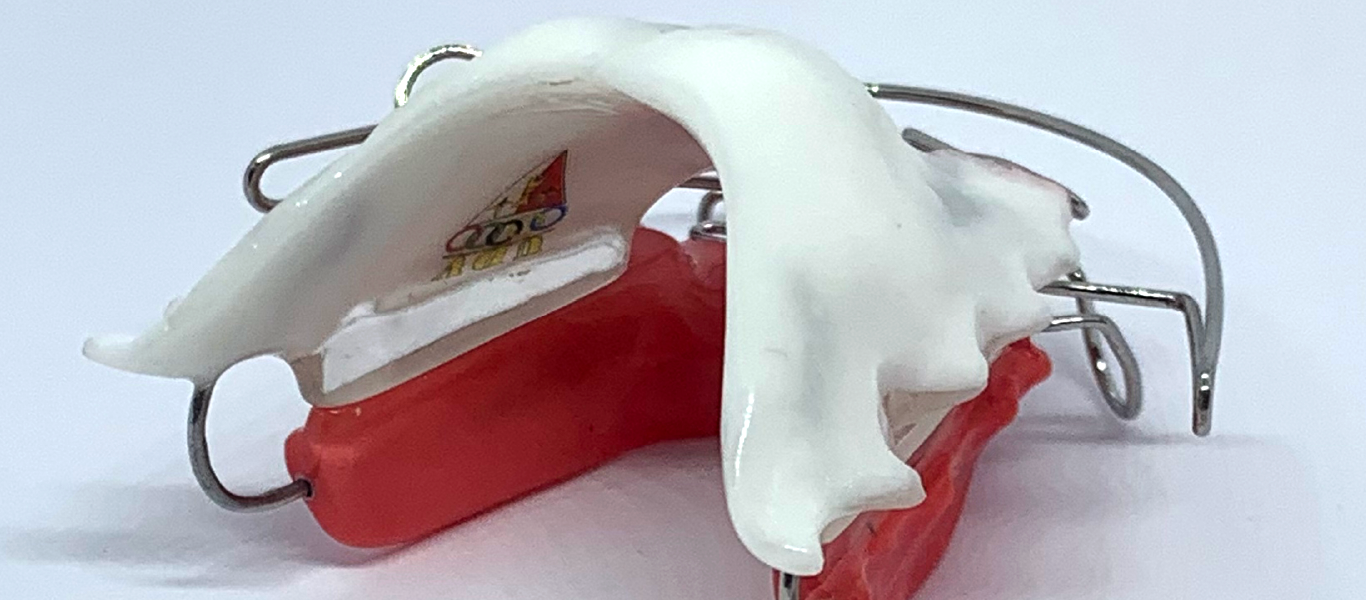
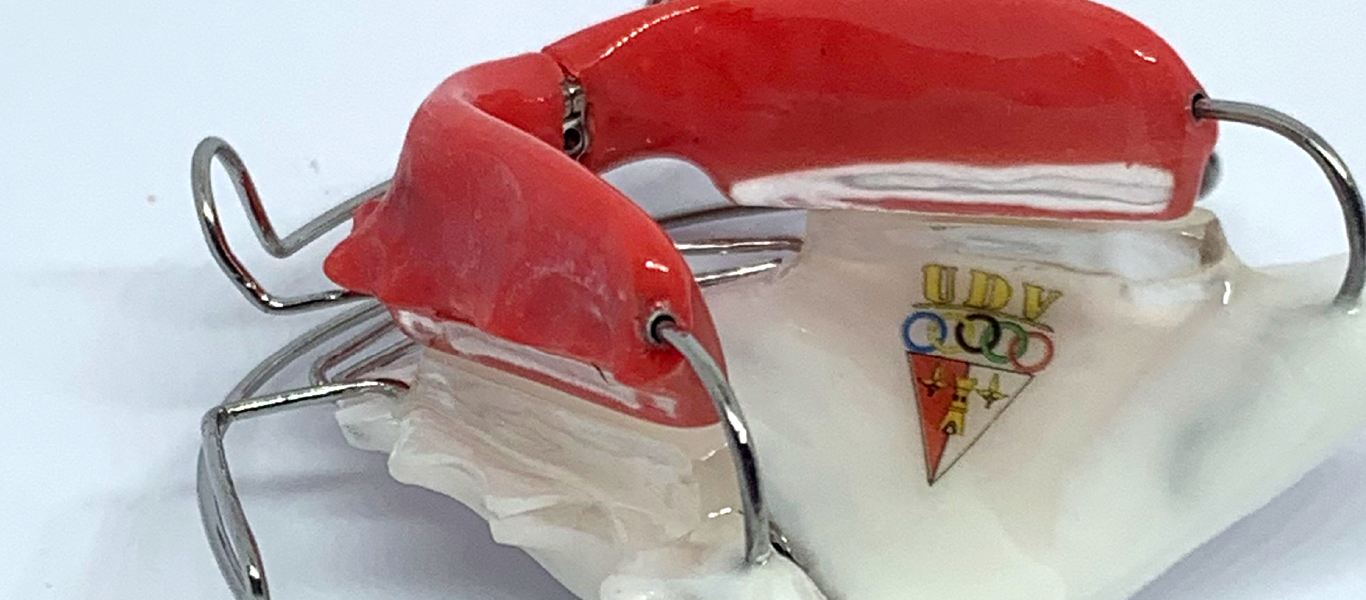
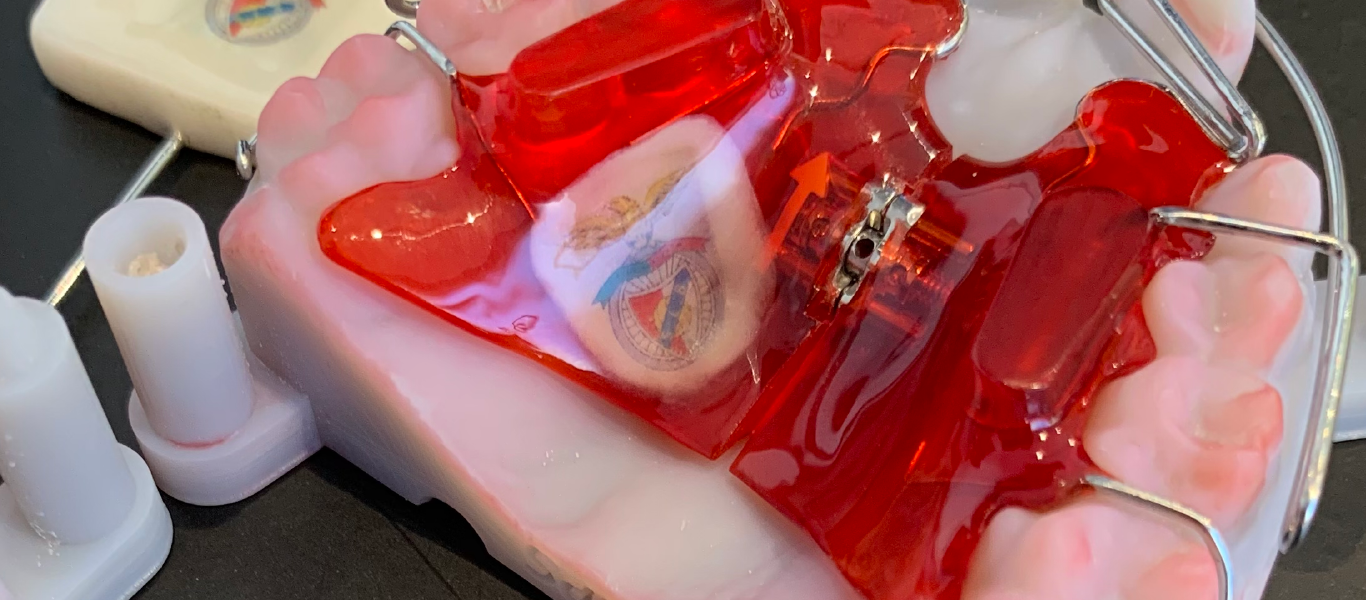
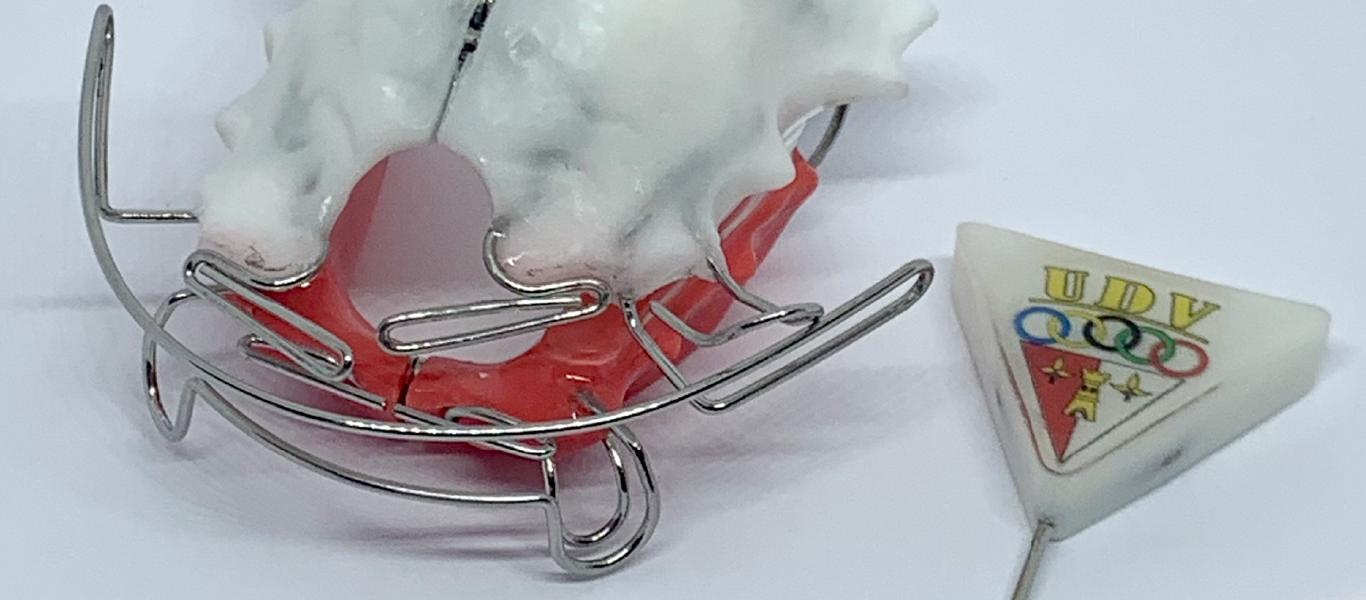
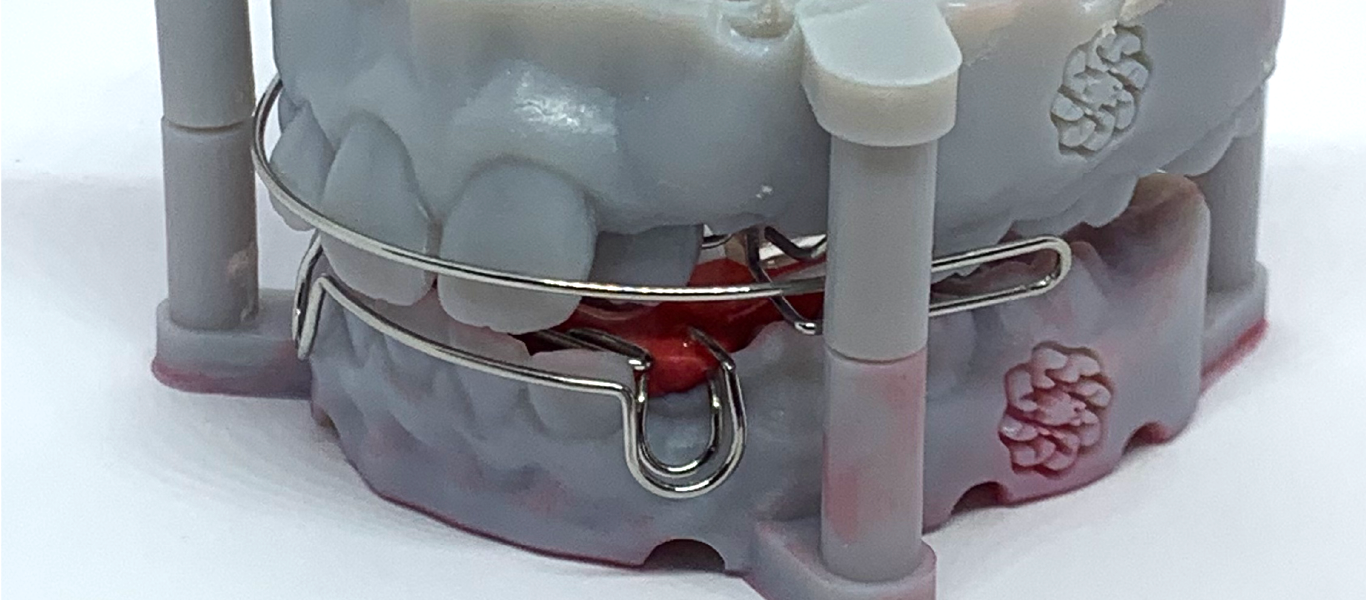
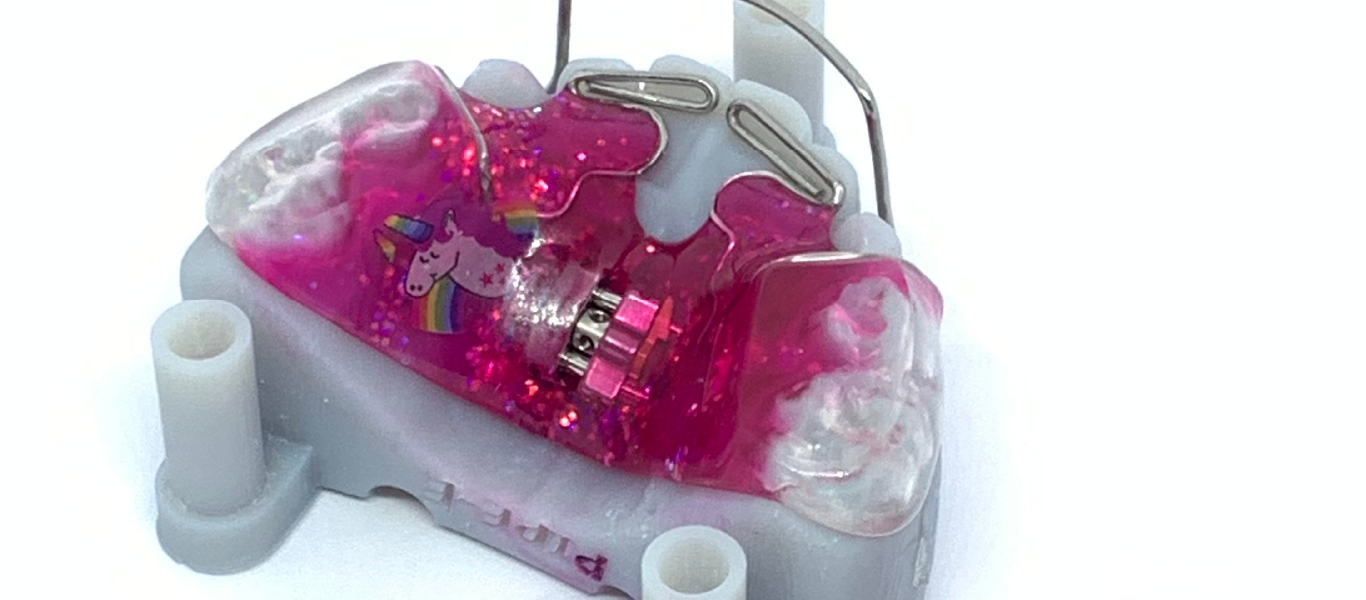
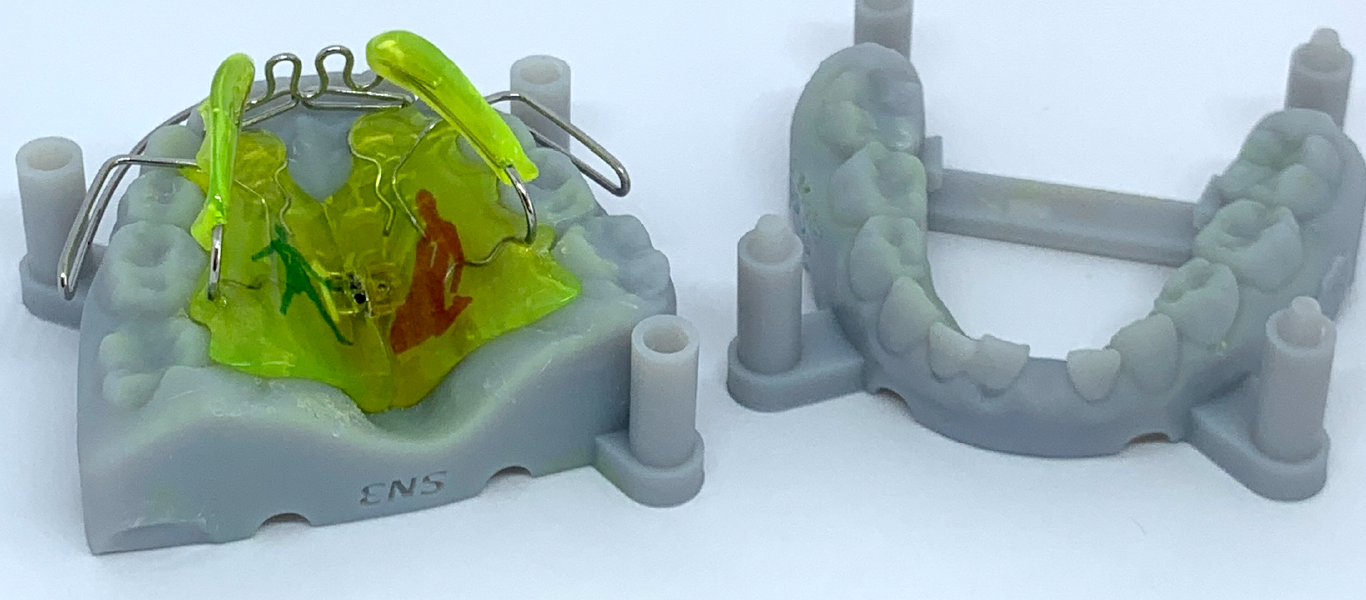
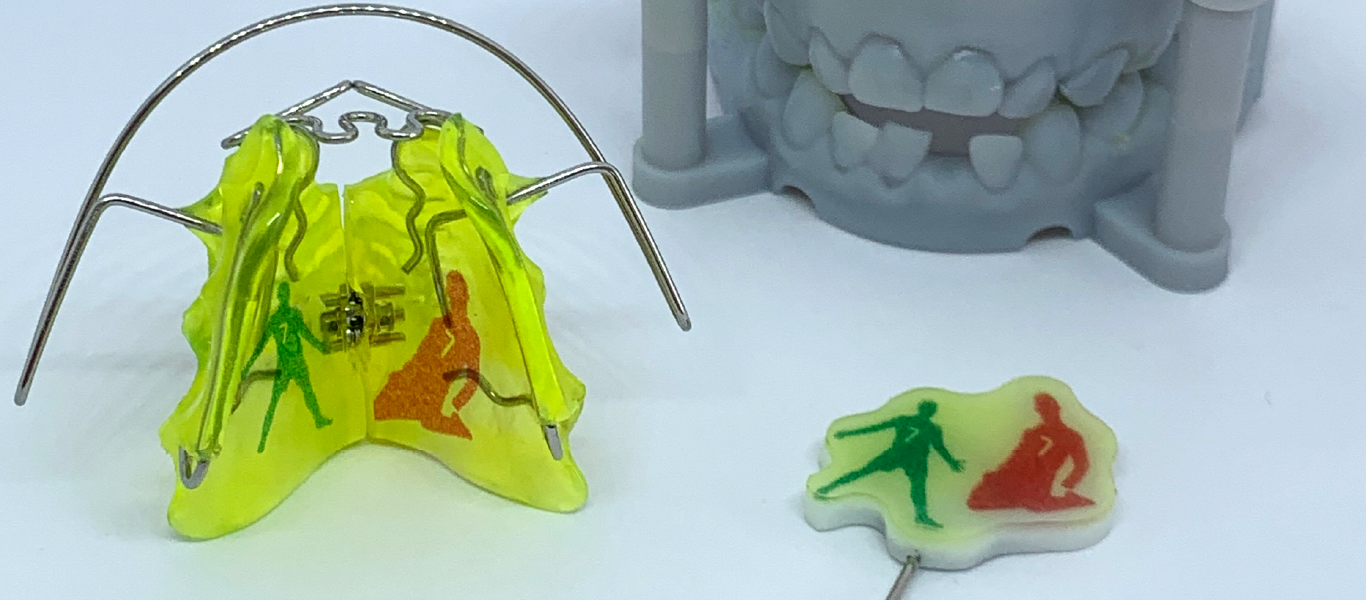
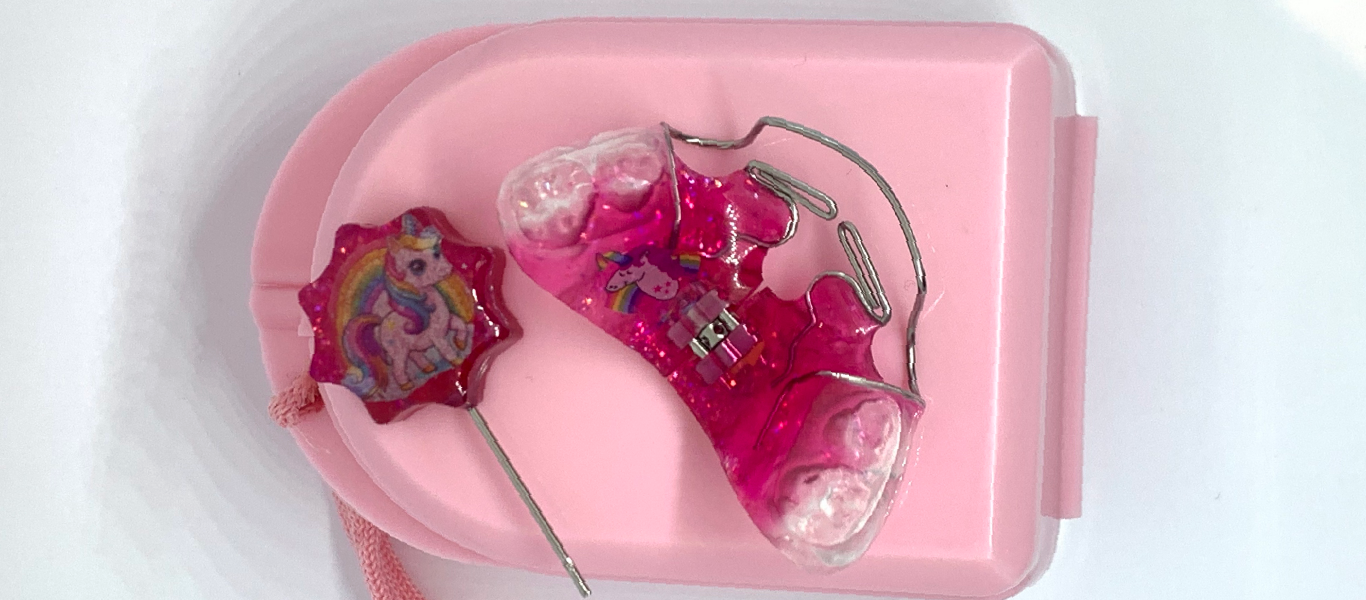
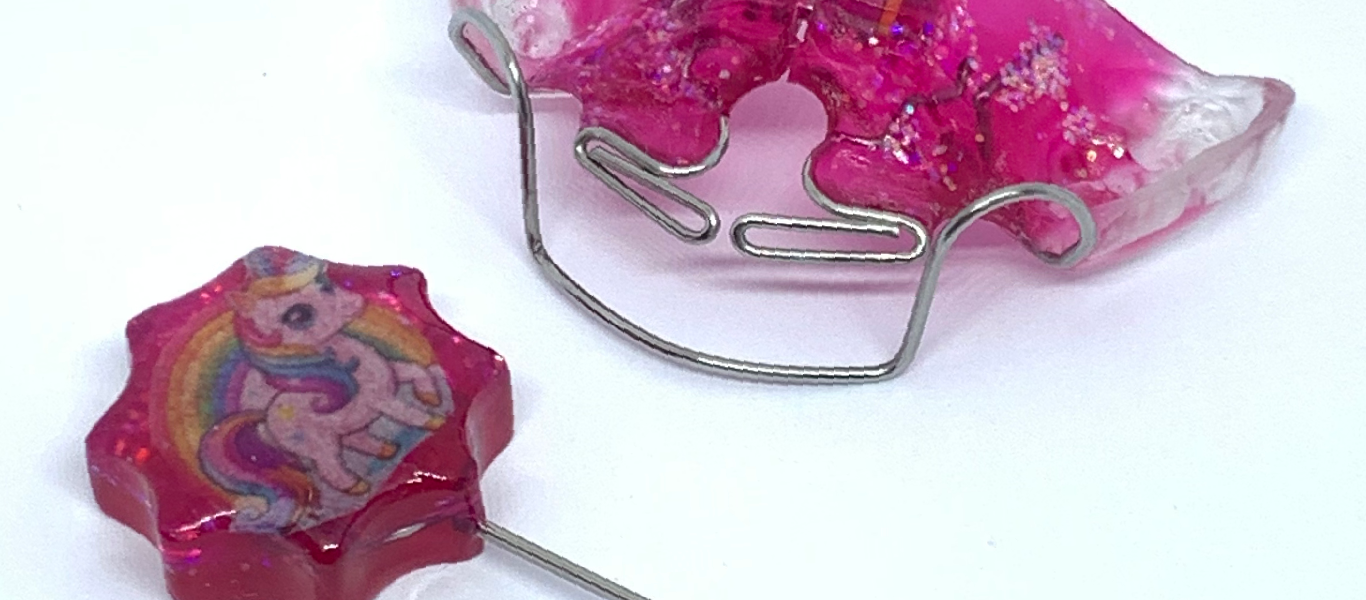
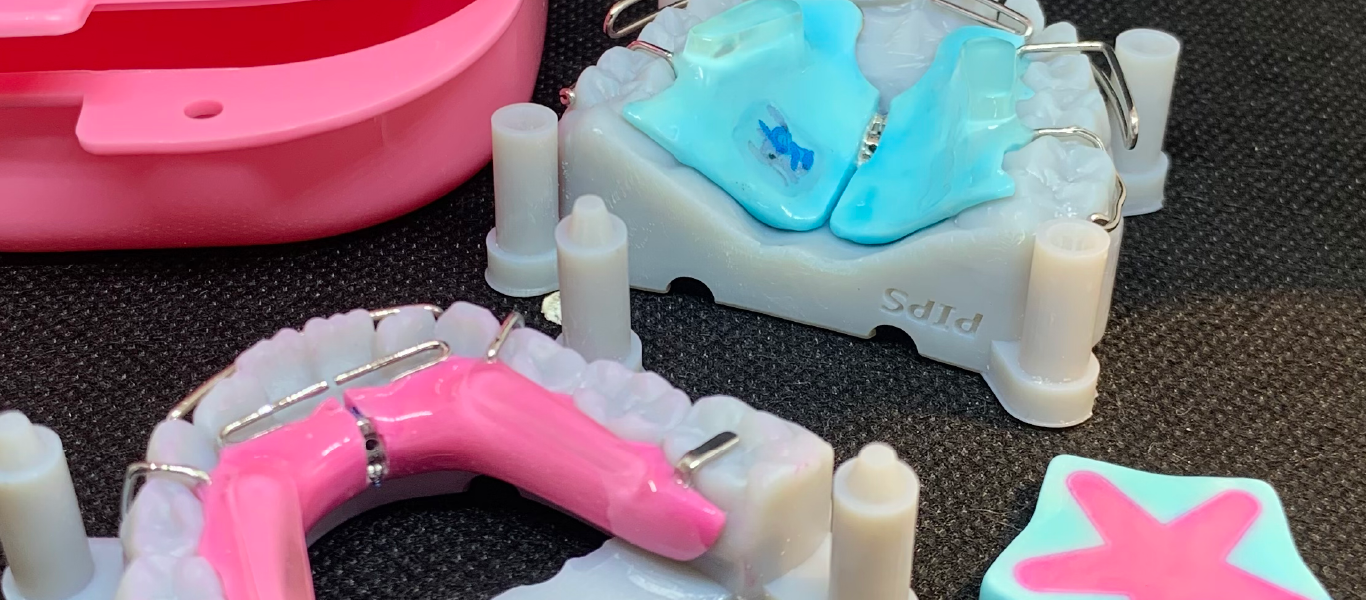
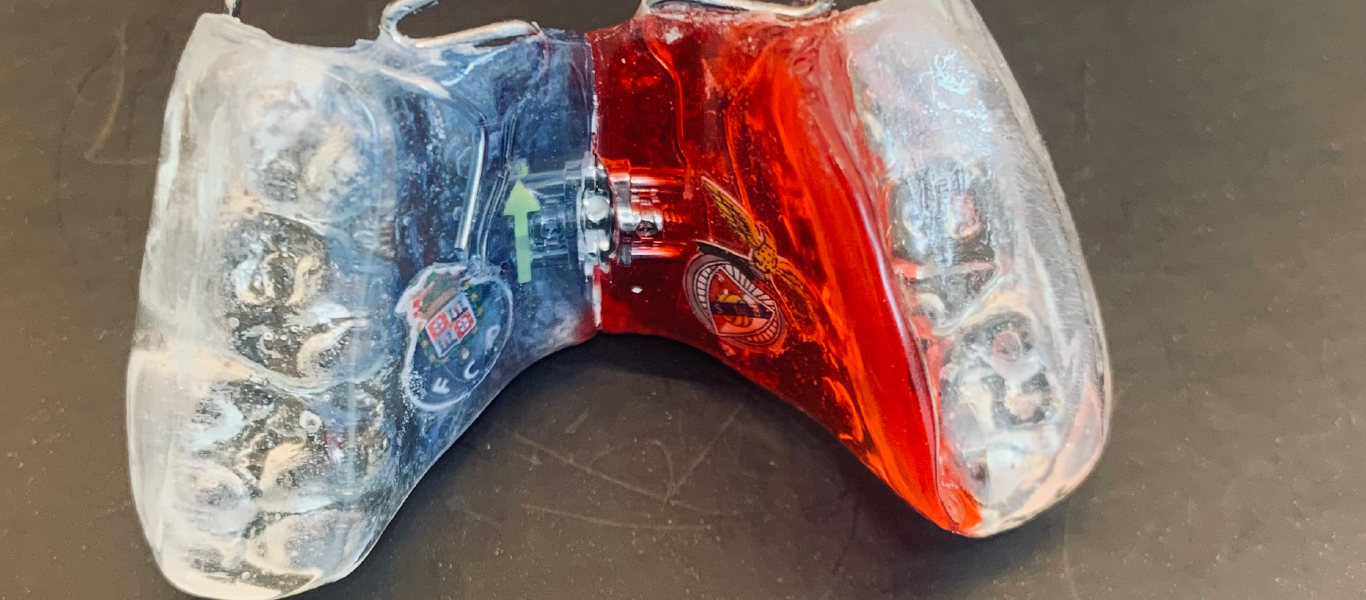
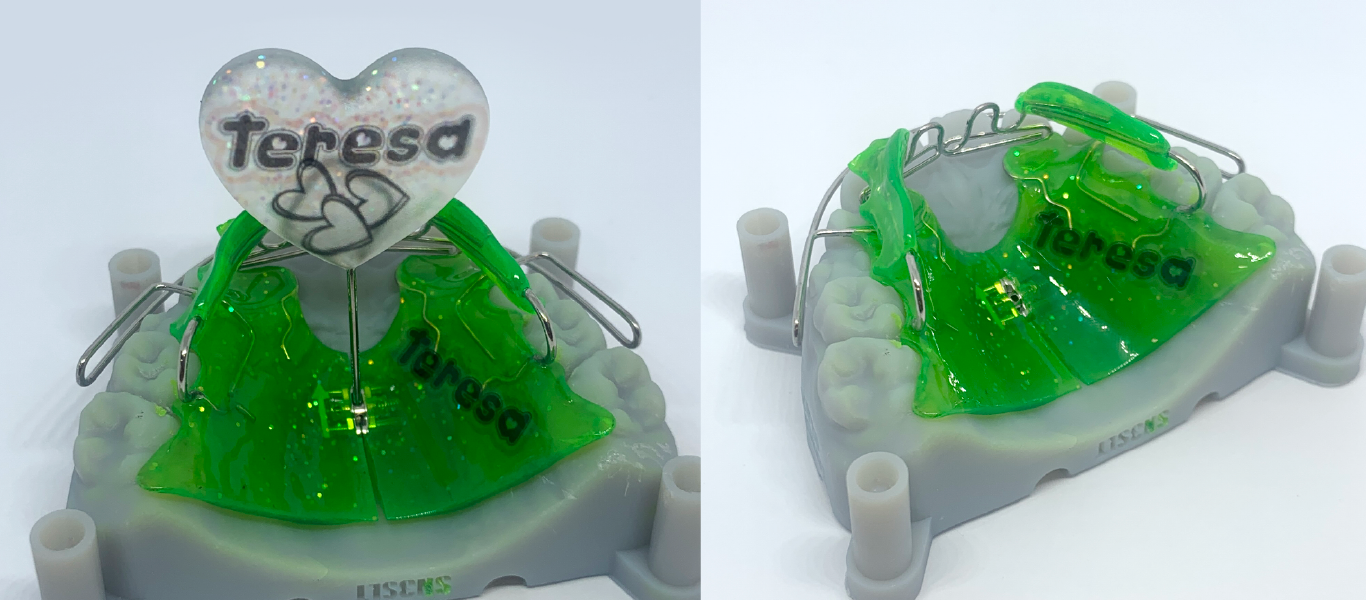
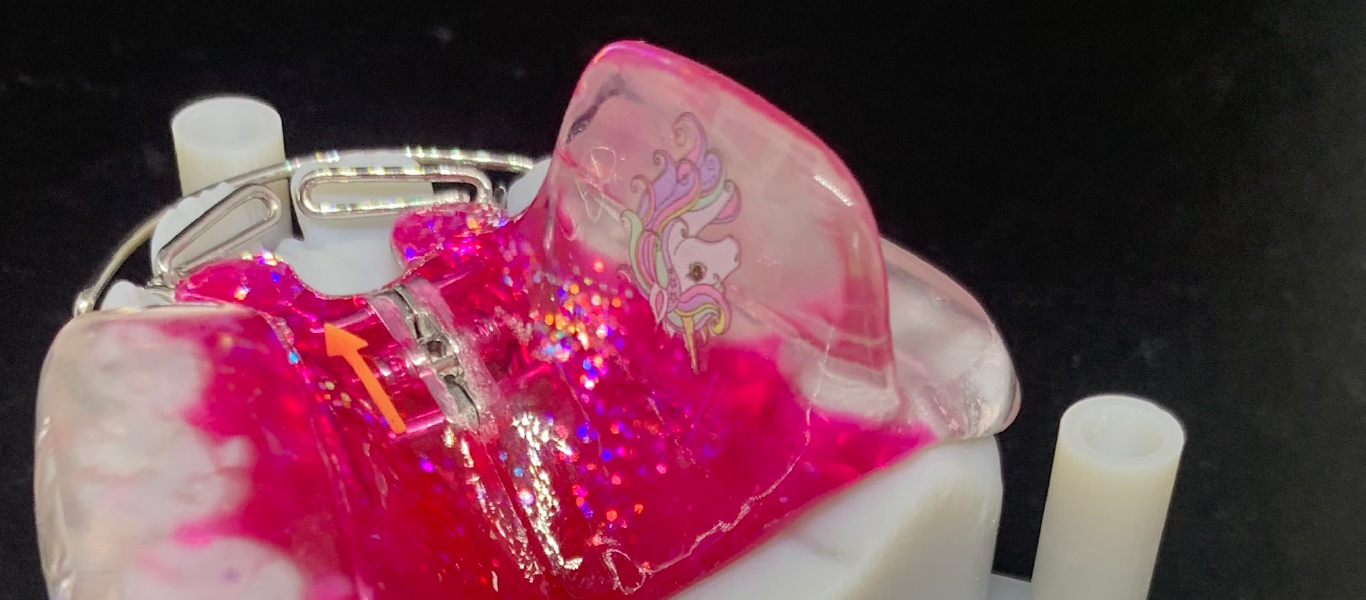
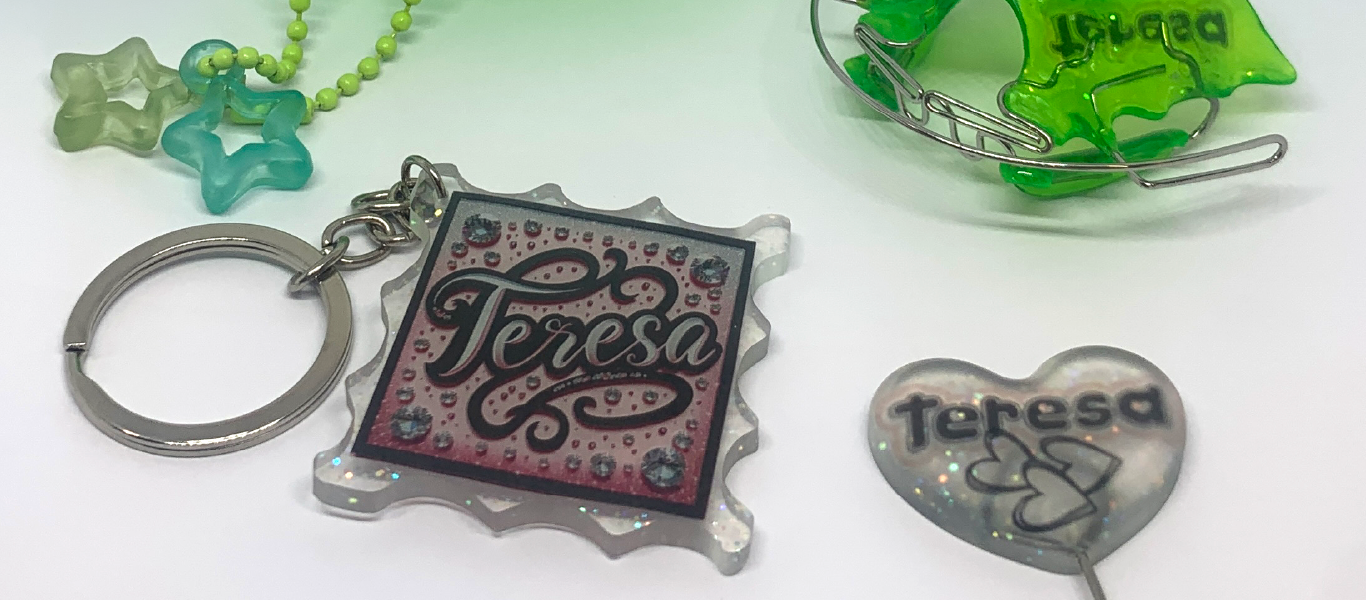
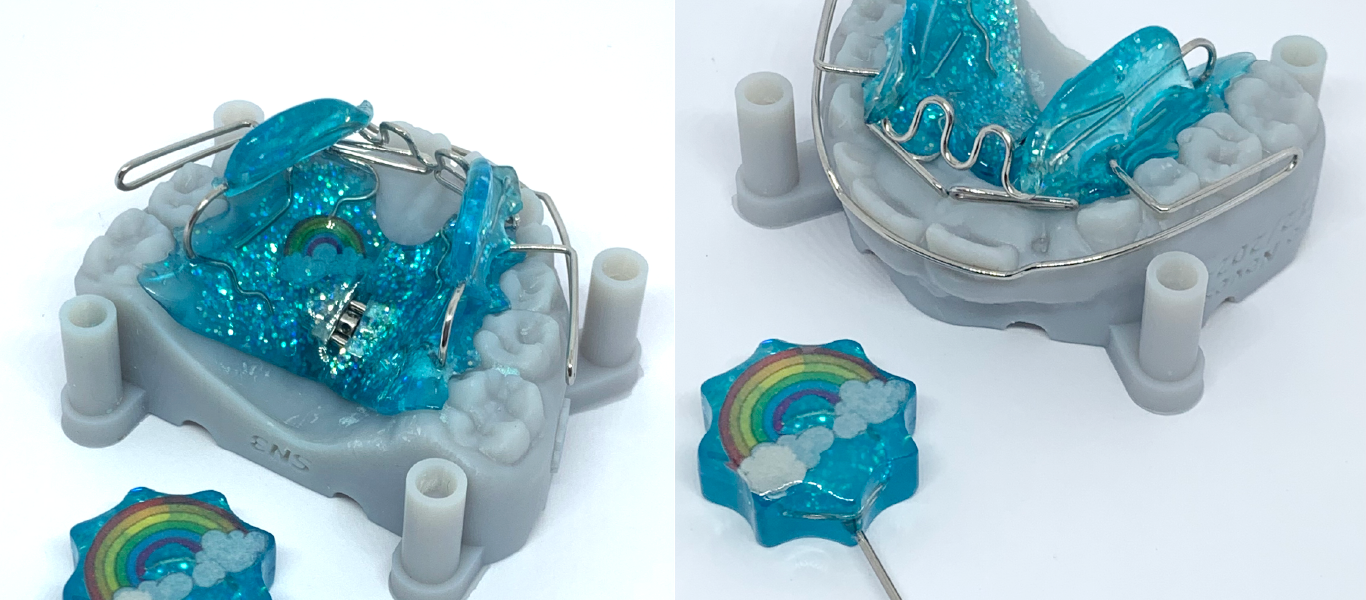
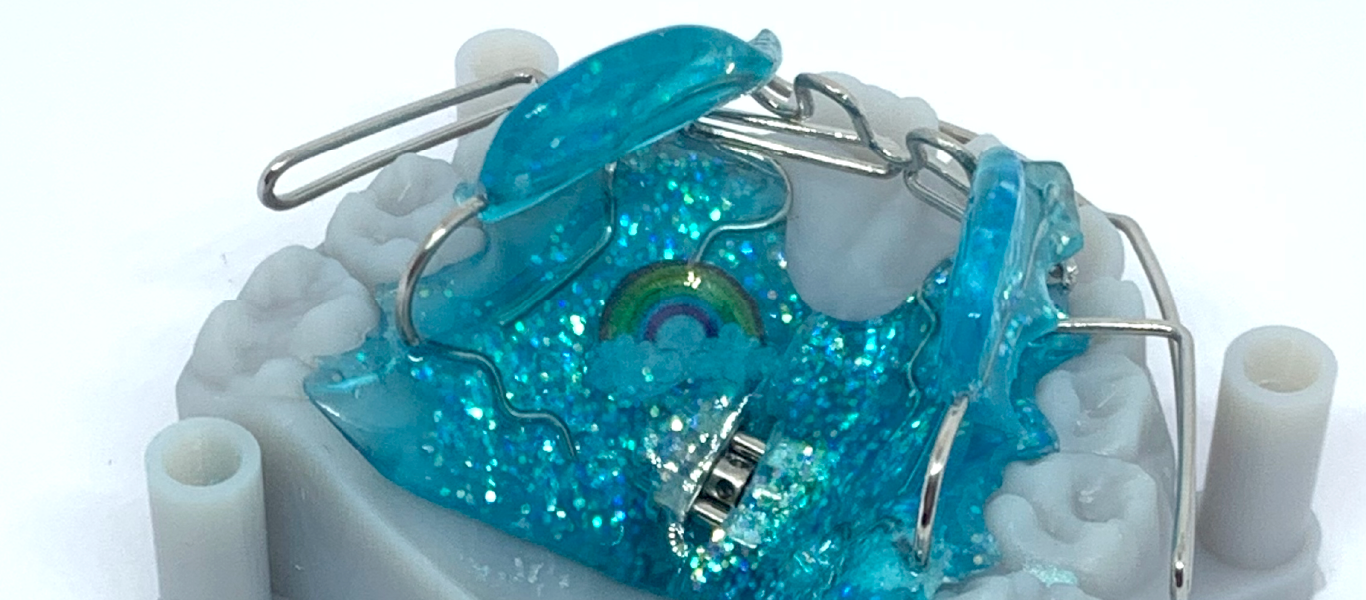
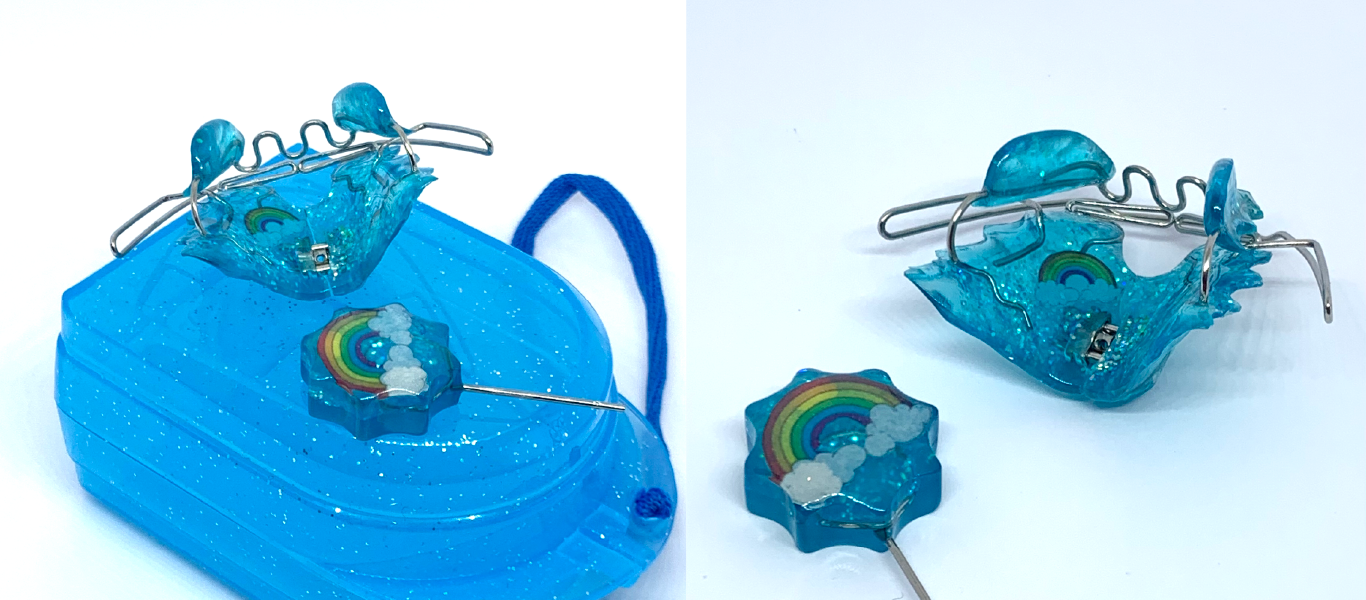
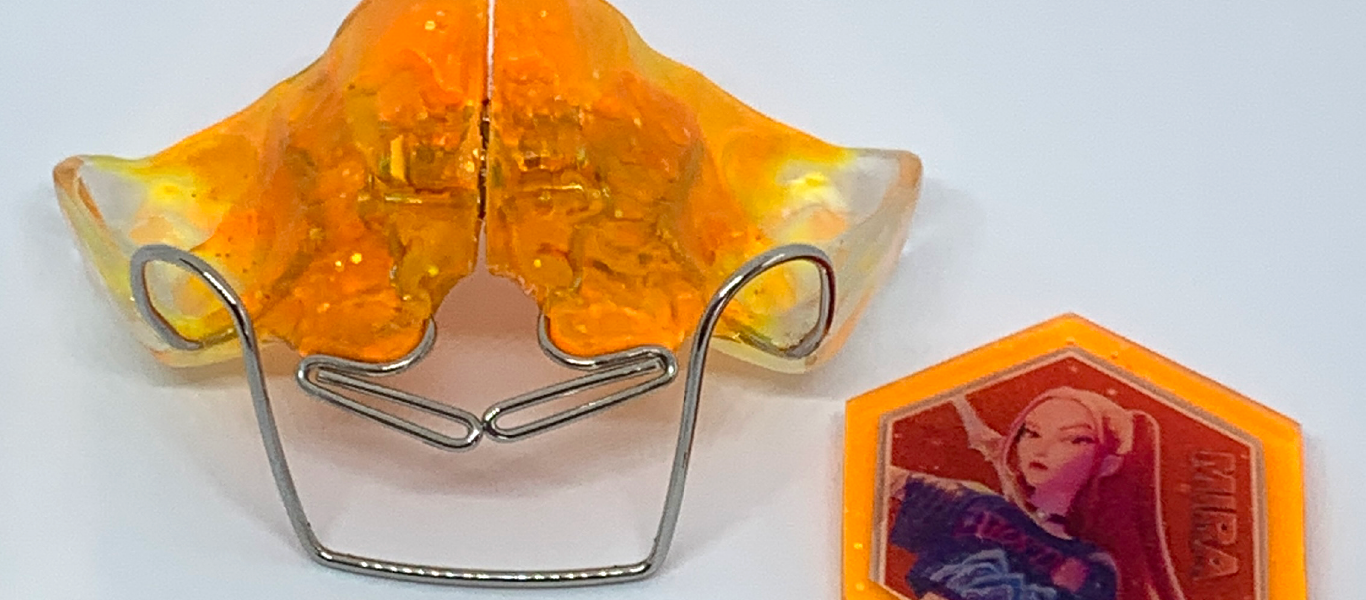
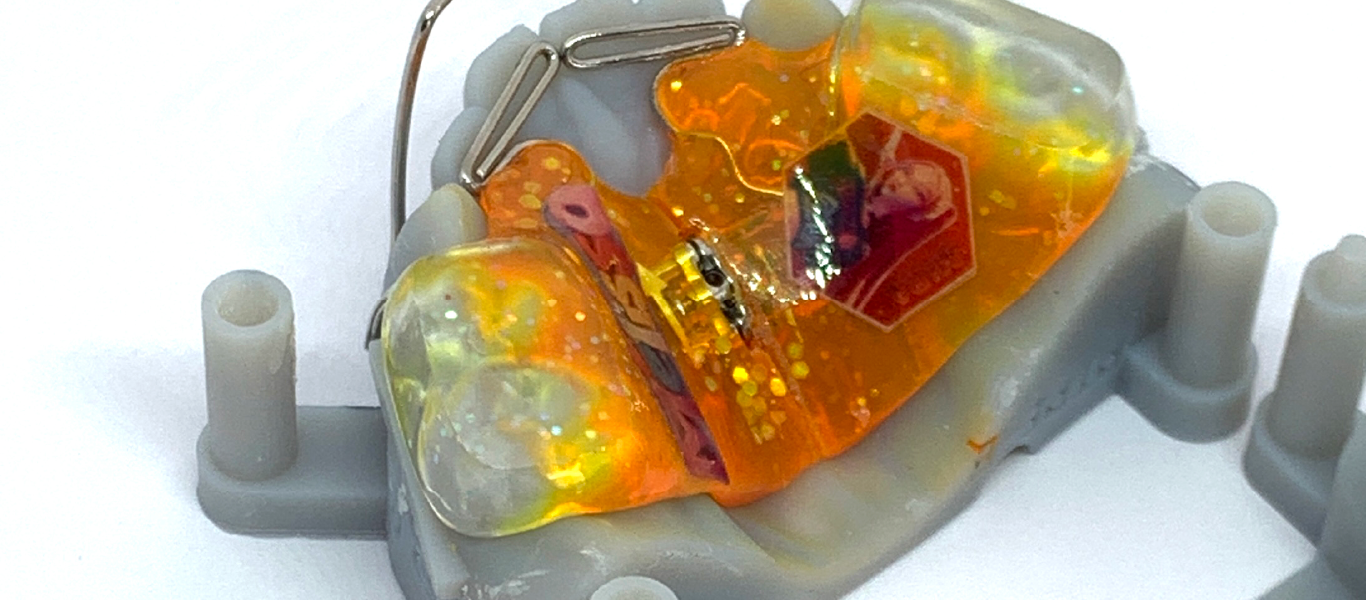
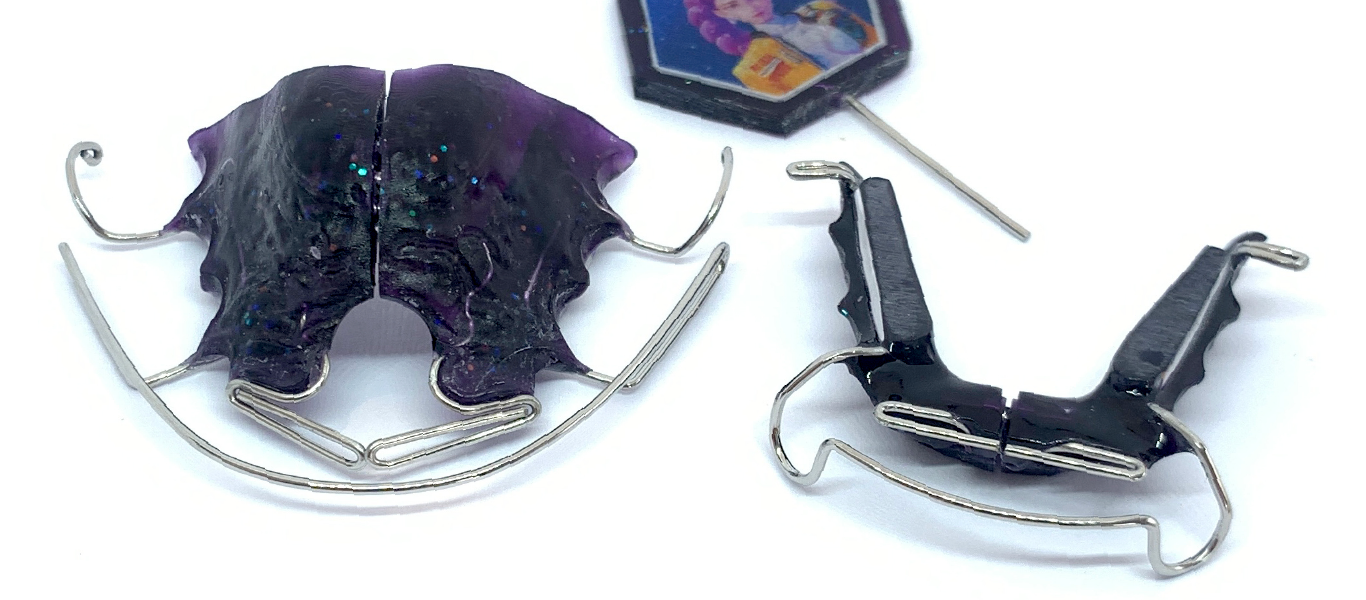
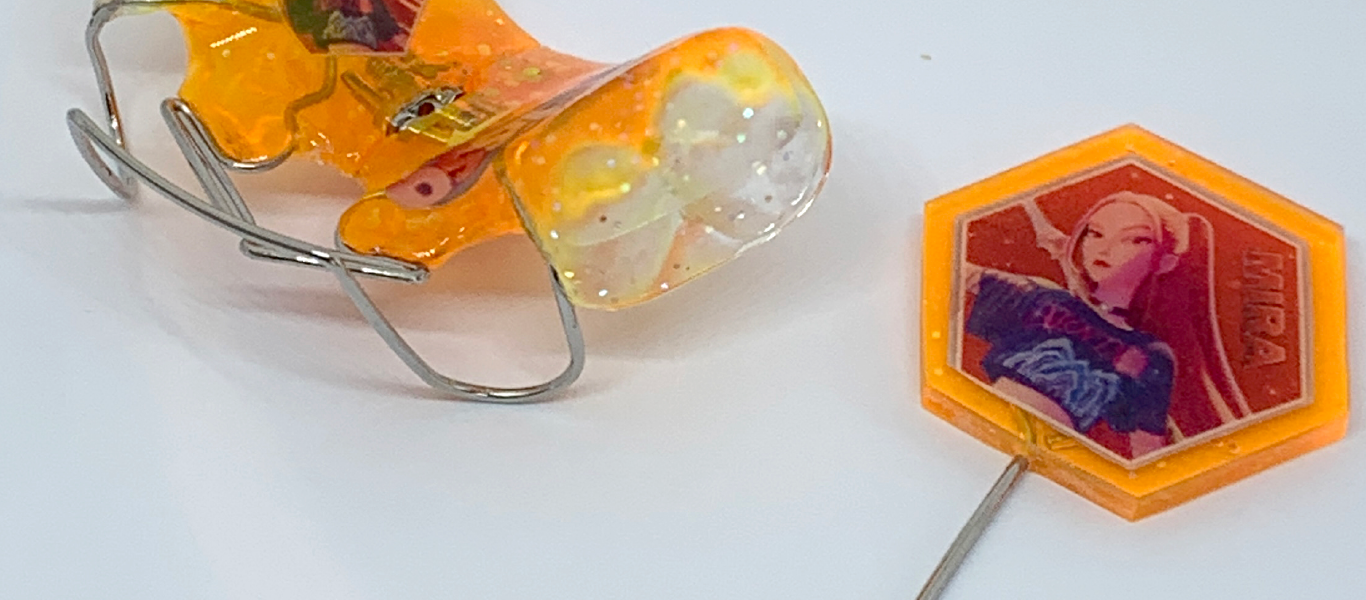
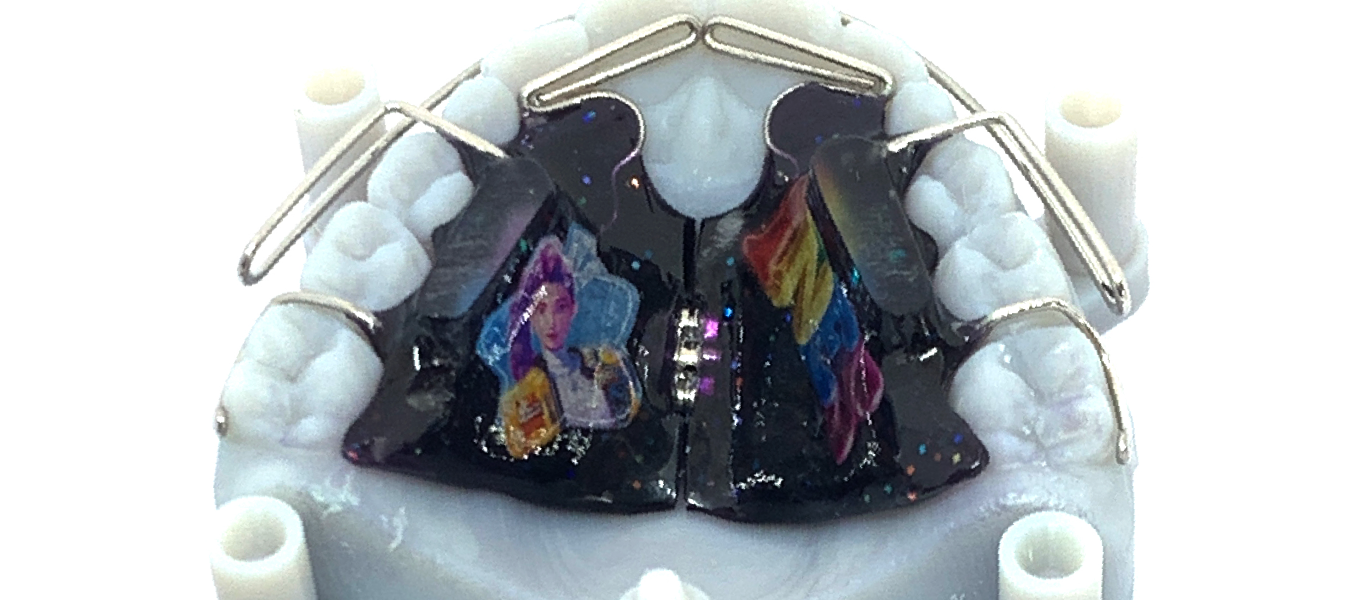
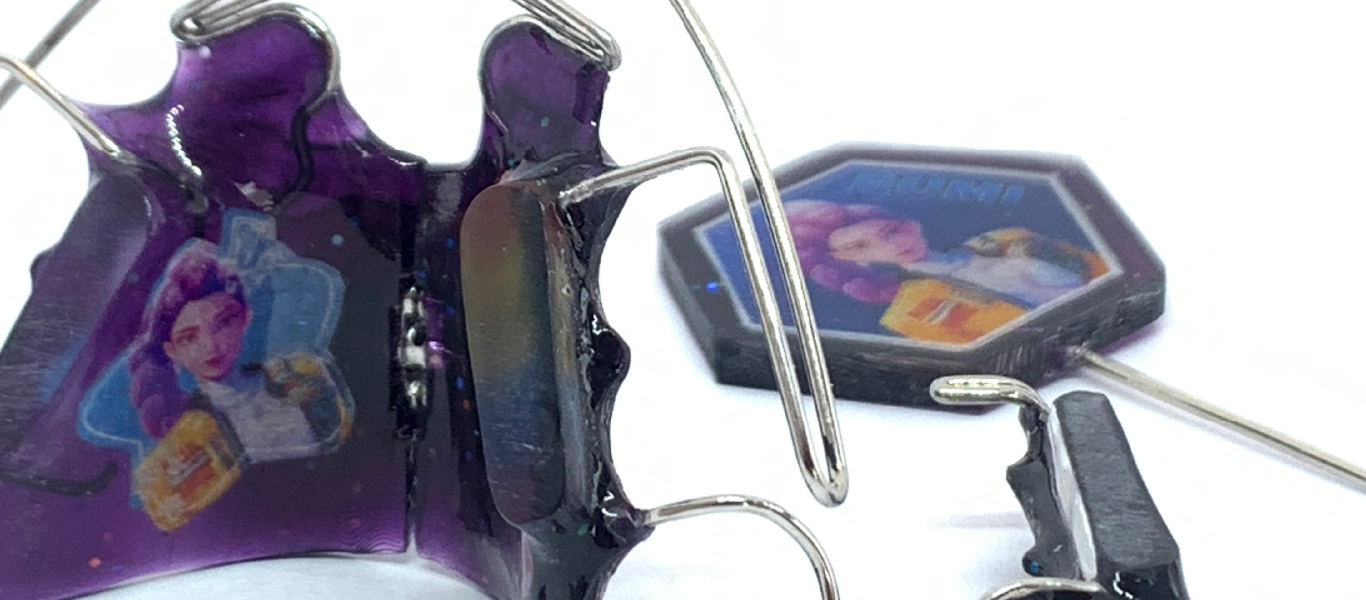
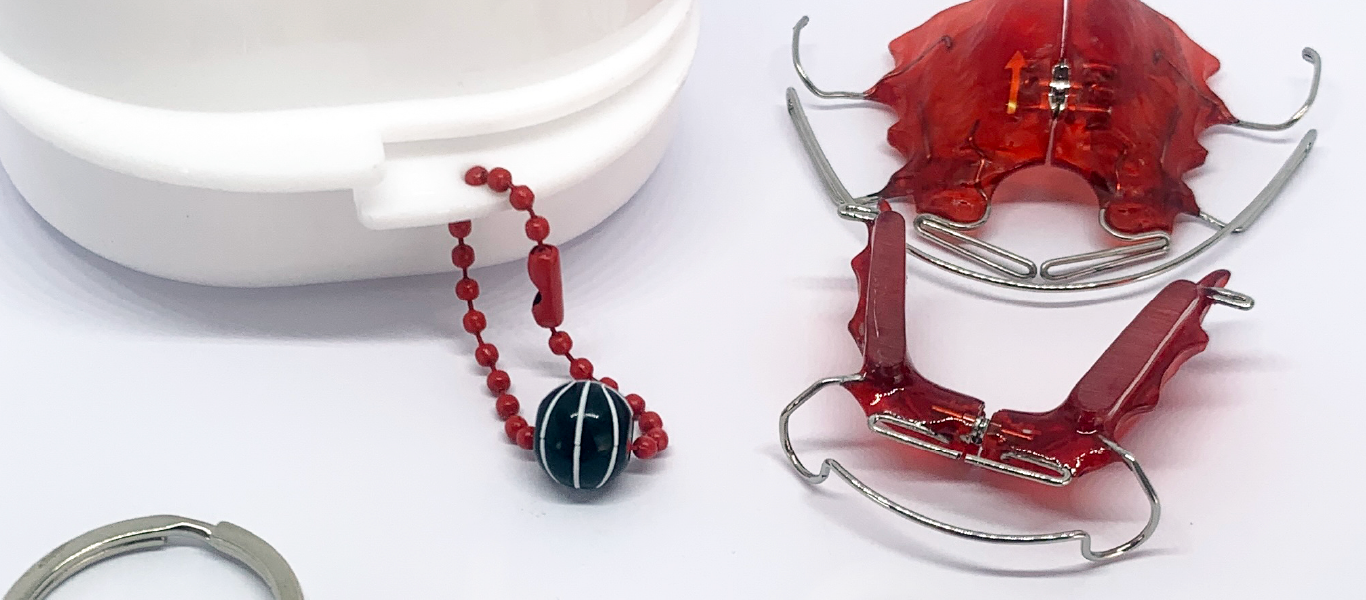
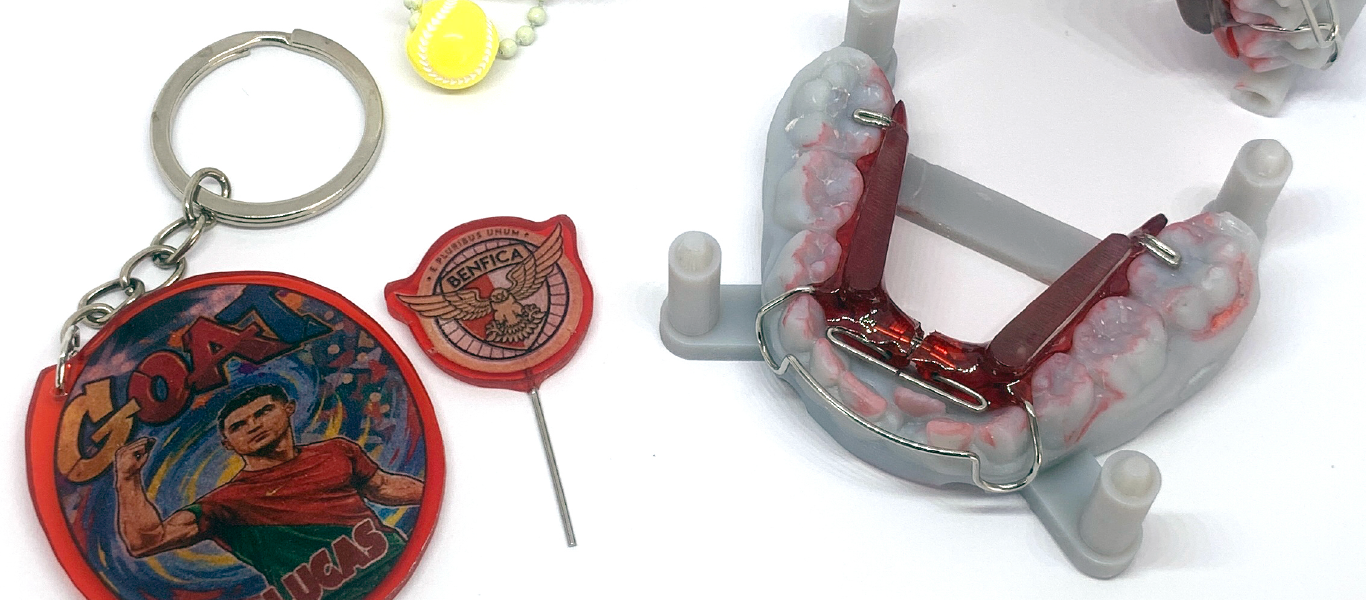
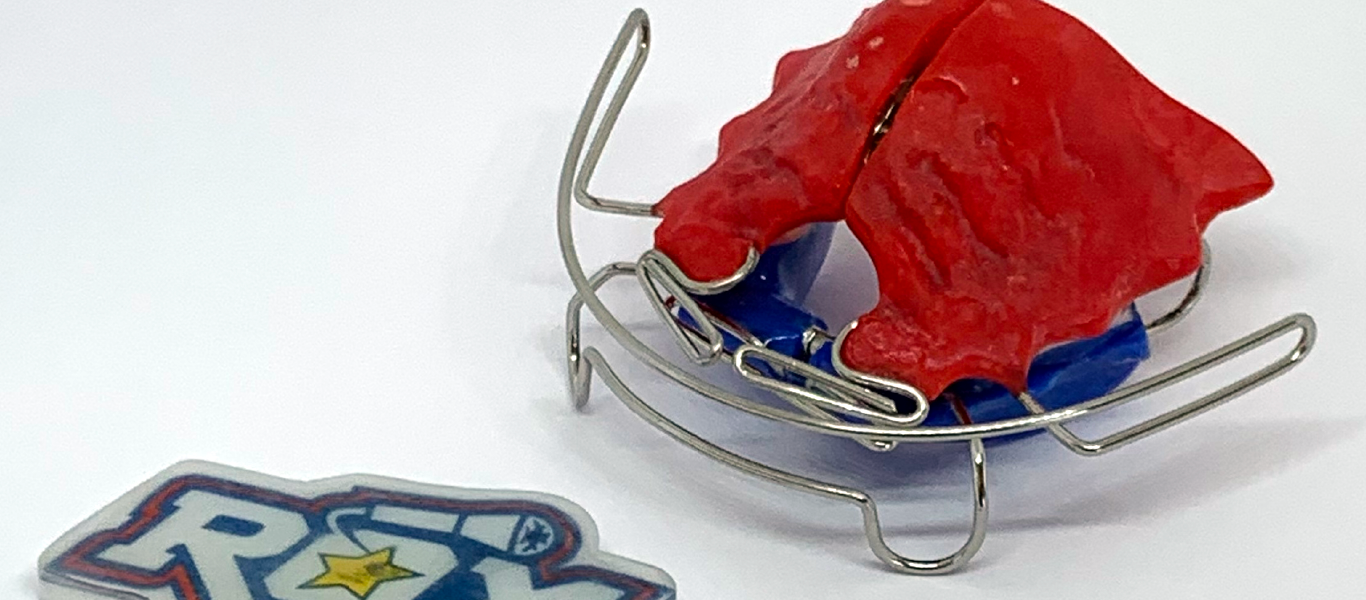
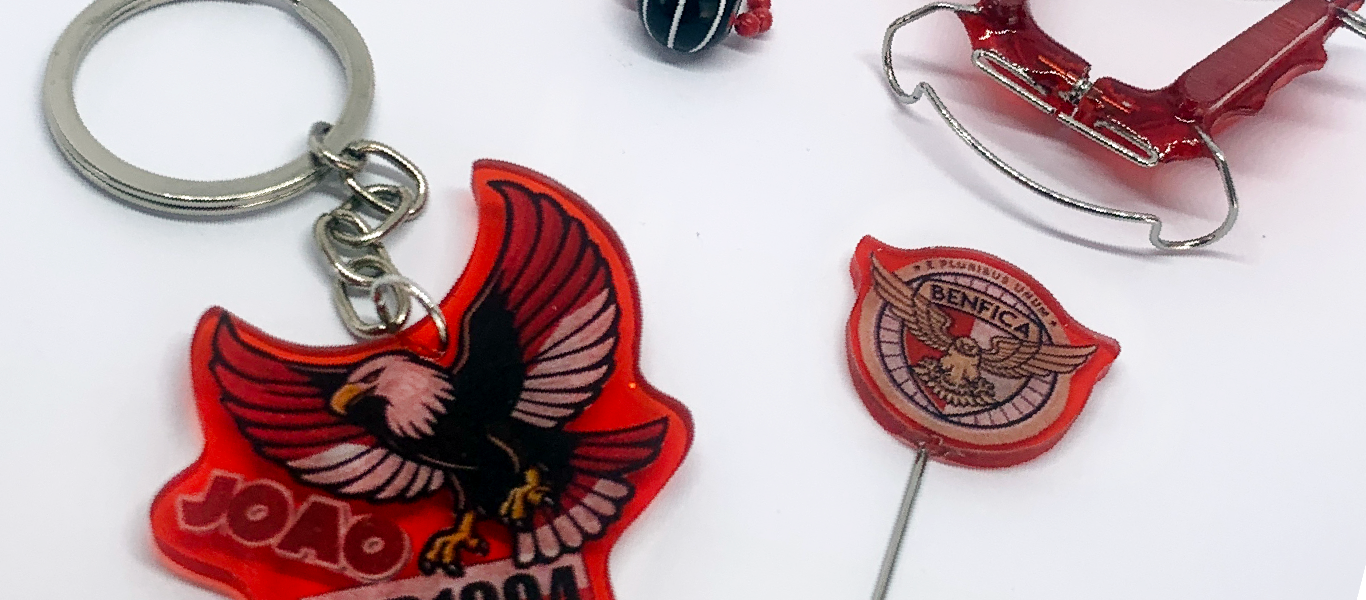
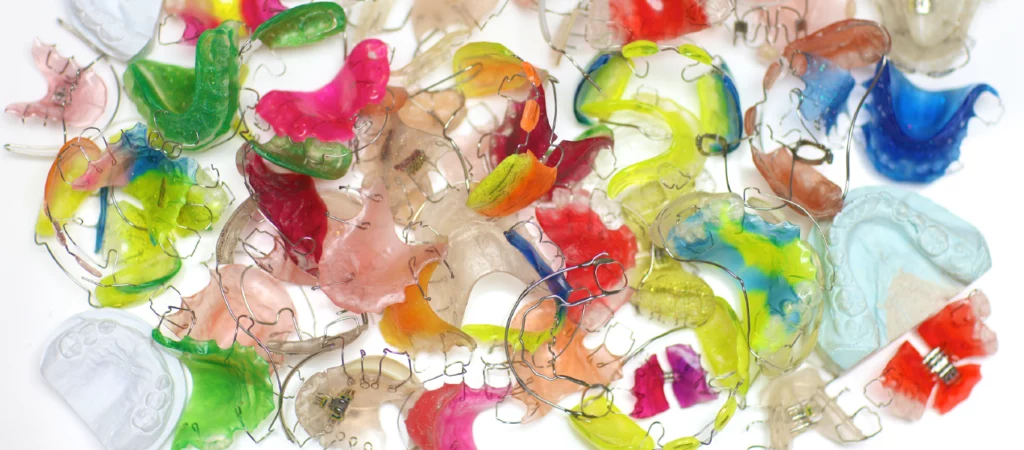
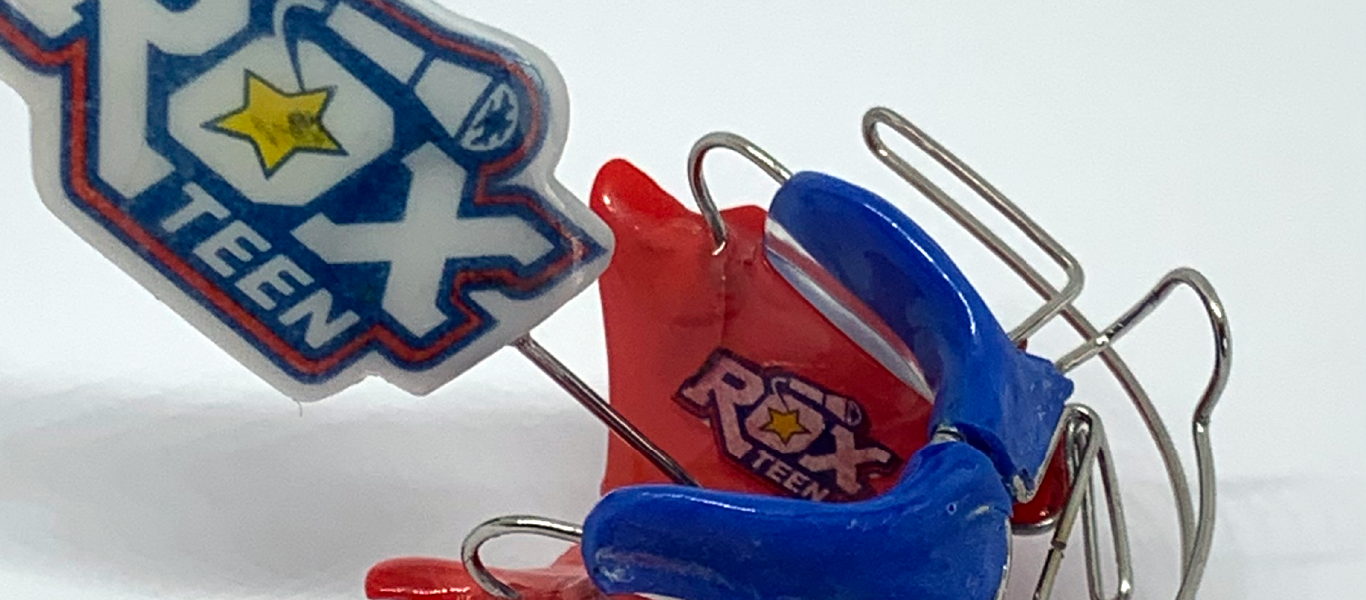
The children’s orthodontic device is customizable, from the simplest to the most extravagant, with colors, elements of drawings, clubismo, that is, what the child wishes to, in this way, be encouraged to use (browse the gallery at the end of the article to find some inspirations). As for the shape of orthodontic appliances, it can vary from child to child depending on the movement to be made.
Waiting doesn’t always mean "to solve later"
There is a very common idea that certain dental problems can simply be treated later with an appliance.
But not all changes work that way. In pediatric orthodontics, some problems become significantly harder to correct when growth is already over.
Therefore, in many cases, early intervention does not serve only to improve dental aesthetics. It serves to guide growth, create adequate space and avoid future complications more difficult to treat.
When should you schedule a child orthodontic assessment?
Even when there are no obvious symptoms, a preventive assessment can help identify changes in bite development before they worsen.
The earlier certain situations are monitored, the greater the ability to intervene in a simple, comfortable and predictable way.
At A Clínica Dr. Pedro Mota, each child is accompanied in an individualized way, respecting their growth, functional development and specific needs. Schedule your assessment appointment at A Clínica, however see some examples of pediatric orthodontic devices performed at our dental clinic in Vila Franca de Xira.
You may be interested in:

Caries and plaque: how oral hygiene in a couple reduces risk
Plaque is a major cause of caries and bad breath. Learn how oral hygiene in couples helps prevent caries and control biofilm.

Drip to sleep: when it makes sense and how the dentist can improve your rest
Drip to sleep: know when it makes sense, what symptoms can relieve and how the dentist evaluates jaw tension, tooth wear and non-restorative sleep.

Bottle caries: how to protect the baby’s first teeth before spots appear
Bottle caries: learn how to protect your baby’s first teeth, identify white spots, take care of the gums and create oral hygiene habits from an early age.

Is drinking tea good for your teeth? Benefits, stains and cold sensitivity
Drinking tea is good for teeth and oral health, but also spotting them can stain and show sensitivity to cold. Learn how to protect your smile without giving up the habit.