
Going to the dentist only when it hurts can be costing you a lot more than you realize

go to the dentist only when it hurts becomes more expensive

What if your biggest mistake with your oral health is not the lack of care… but rather the moment you decide to act? Going to the dentist only when it hurts remains a common behavior in Portugal.

According to the Oral Health Barometer 2025 of the Order of Dentists (OMD), about 26% of Portuguese turn to the dentist only in emergency.

This fact reflects not just a habit, but rather a pattern of decision. As such, it has a direct impact on the complexity, cost and prognosis of treatments.

Read this blog article and find out why you should not delay any longer and how expensive that decision might be. Many problems start without pain, but they don’t stay that way.

Contents approached

The problem doesn’t start with pain

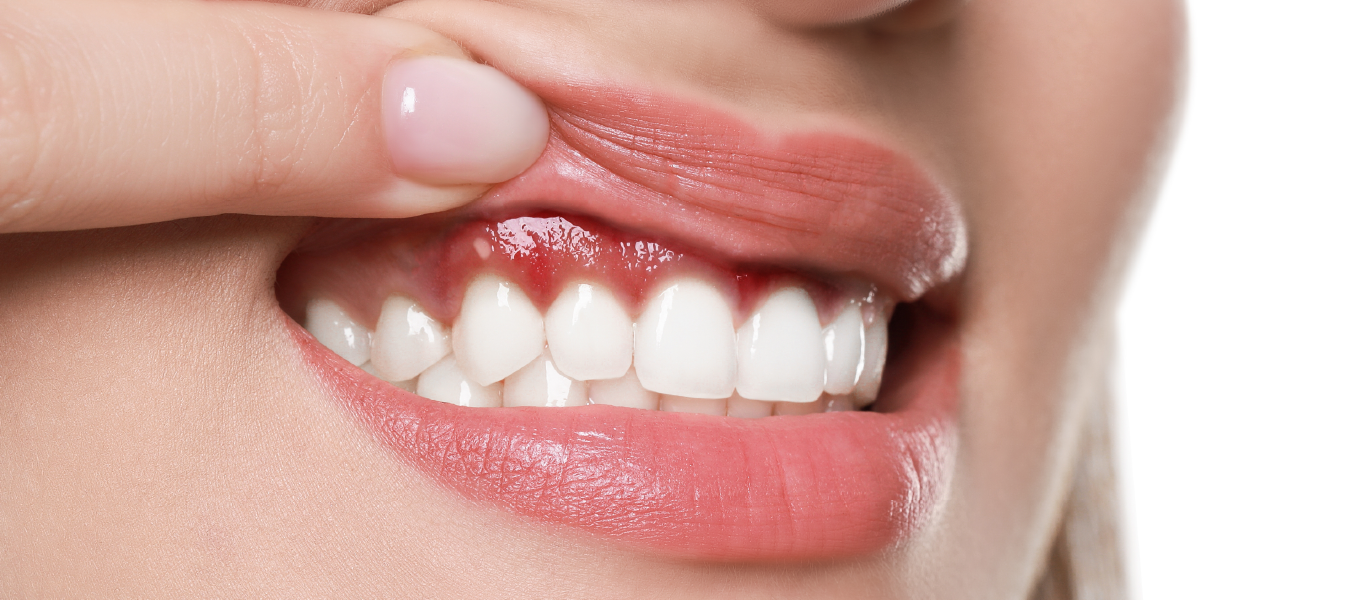
Most oral diseases develop progressively and often silently.

As we have already seen here, an early stage cavity may not cause any symptoms. At that point, the treatment is simple, quick and conservative.

However, without adequate and timely intervention, it tends to evolve:

  • reaches deeper structures
  • can cause infection
  • may compromise the tooth nerve

According to the World Health Organization (WHO), oral diseases affect an estimated 3.5 billion people worldwide (with a disproportionate impact on the most vulnerable populations), and are often neglected in the early stages due to lack of symptoms.

When discomfort arises and doubts about toothache arise when going to the dentist, in most cases, the problem has already evolved.

Relationship between intervention time and treatment cost when the thought is to go to the dentist only when it hurts

In fact, there is a direct relationship between the intervention time and the cost of dental treatments.

As a rule, the earlier you act, the simpler treatment tends to be.

Look at this common clinical example that we often have at A Clínica:

According to OMD, the lack of dental prevention is directly associated with the increased need for more complex and expensive treatments.

That is why a significant amount of expensive dental treatments result not from the initial complexity, but from the delay in intervention and patients only consulting the dentist when they have a dental emergency.

  • Conservative treatment
    • Simple restore

According to OMD, the lack of dental prevention is directly associated with the increased need for more complex and expensive treatments.

That is why many expensive dental treatments result not from initial complexity, but from the delay in assessment and intervention.

The false feeling of "not having problems"

One of the main factors in postponing dental appointments is the perception that “everything is fine”.

No pain, no discomfort and apparently no problem.

But this perception does not correspond to the clinical reality.

It is no wonder that various health organizations such as the WHO warn that many oral pathologies develop asymptomatically at an early stage, which makes early diagnosis difficult without regular follow-up.

Remember, the absence of symptoms does not mean absence of disease.

Fear of the dentist as a delay factor

Another relevant factor for continuing to postpone the visit to the dentist is fear.

According to data from the Order of Dentists, anxiety associated with dental consultation remains one of the main reasons for avoiding or postponing consultations.

Today, however, there are in A Clínica ways to overcome this barrier.

Conscious sedation enables treatments to be performed more comfortably and in a controlled manner, significantly reducing anxiety.

For many patients, this approach finally allows them to stop avoiding the dentist and resume regular follow-up.

Impact of disease progression on tooth loss

When not treated in time, dental problems can evolve into irreversible situations.

It is a fact that tooth loss remains a frequent consequence of uncontrolled oral disease.

As we have already discussed, severe periodontal diseases are one of the main causes of tooth loss in adults.

This loss does not only affect aesthetics. It can compromise:

  • masticatory function
  • talk
  • equilibrium of the occlusion
  • global oral health

That is to say, avoiding dental problems means largely intervening before reaching this point.

Importance of dental prevention

From what we have already discussed, he easily understands that dental prevention is the most effective factor to reduce:

  • incidence of disease
  • need for complex treatments
  • costs accrued over time

Thus, regular consultations allow, in addition to an early diagnosis, monitoring and carrying out minimal interventions.

In short: prevention and monitoring are essential for good oral health!

Trust and recommendation lead to choose A Clínica Dr. Pedro Mota

The decision to maintain regular follow-up is also linked to the trust placed in A Clínica Dr. Pedro Mota, with more than 20 years of experience in dental medicine.

Our patients often highlight as decisive factors for this choice: clarity of communication; accessibility and location (just 20m from Lisbon); predictability of treatments; payment facilities; comfort during the consultation, among others that directly influence the adherence and opinion of our patients.

It is on the basis of a relationship of trust that we seek to reduce deferral of appointments and increase the likelihood of effective prevention.

Going to the dentist only when it hurts can seem like a way to avoid unnecessary appointments. In practice, it is often the opposite.

Procrastination turns simple problems into more complex, time-consuming and costly situations.

Take note of this: it’s not just a matter of pain, it’s a matter of timing.

Taking care at the right time allows you to keep treatments simple and avoid consequences that could have been prevented.

Schedule your assessment appointment in the clinic. You can be sure that you are deciding at the right time and the best for your oral health.

You may be interested in:

Scroll to Top

Book an assessment appointment

Book an assessment appointment

Book an assessment appointment

We've contacted

We've contacted