Is there a solution for diastema? "Liar’s teeth" don’t just appear on the day of lies!

Women’s diastema

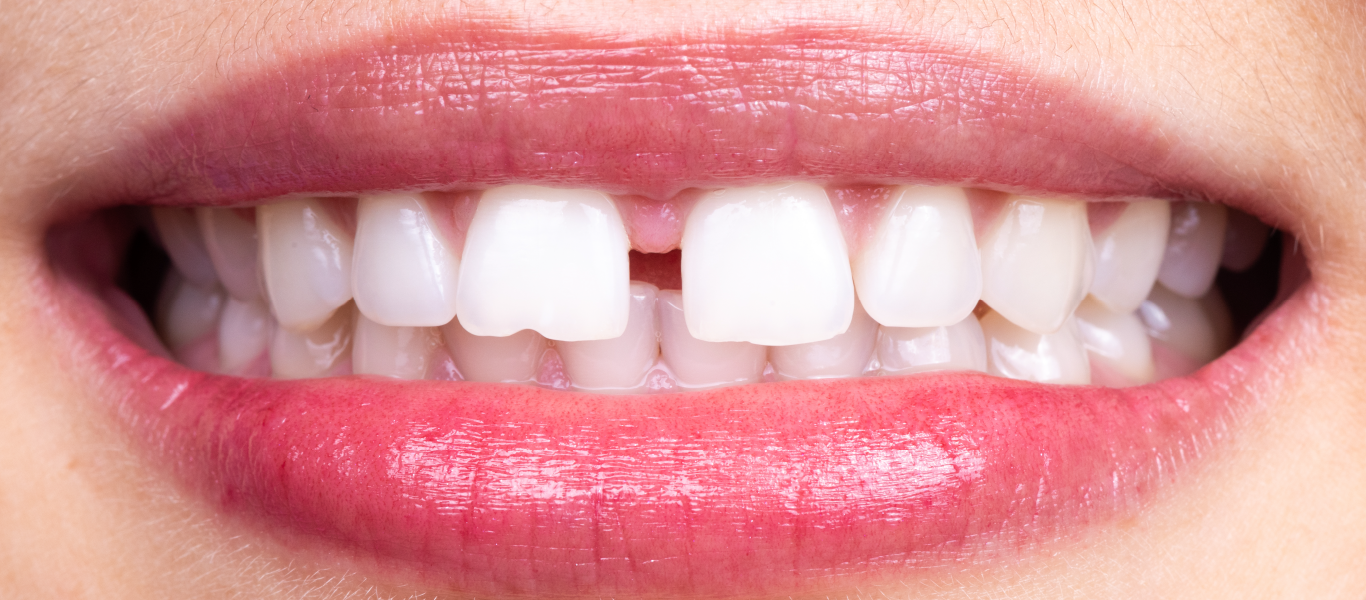
Diastema are a condition that results in spacing between teeth. The popular expression calls “liar’s teeth” when the upper lateral incisors are positioned behind the central incisors, which creates a space between them.

Let’s raise the issue! “Liar’s teeth” is just a matter of aesthetics or can they influence oral health?

According to the Order of Dentists (OMD), these small spaces between the teeth can have more impact than you think, as they can affect chewing and even facilitate the appearance of gum problems.

Contents approached

Liar’s teeth: an inheritance or an acquired one?

The truth is that diastemas, or spaces between teeth, are a common condition that can occur for several reasons.

These spaces may arise due to genetic factors, problems in jaw development or even habits acquired from childhood. In addition, factors such as disproportionate size of teeth relative to jaw, early loss of milk teeth or behaviors like finger sucking may contribute to the appearance of dental gaps.

Although often not a health problem, diastema can affect the aesthetics of the smile and in some cases cause difficulties in chewing or other difficulties.

In this context, it is important to understand the main causes that lead to the appearance of diastemas, so that appropriate treatment options can be considered if necessary.

Entre os principais fatores para o seu aparecimento podemos destacar:

That is, if in the family there are cases of diastema, the greater the probability of its appearance.

It can enhance the separation of teeth.

For example, prolonged use of the pacifier or suction of the thumb that can change the dental position.

Teeth can move and create spaces.

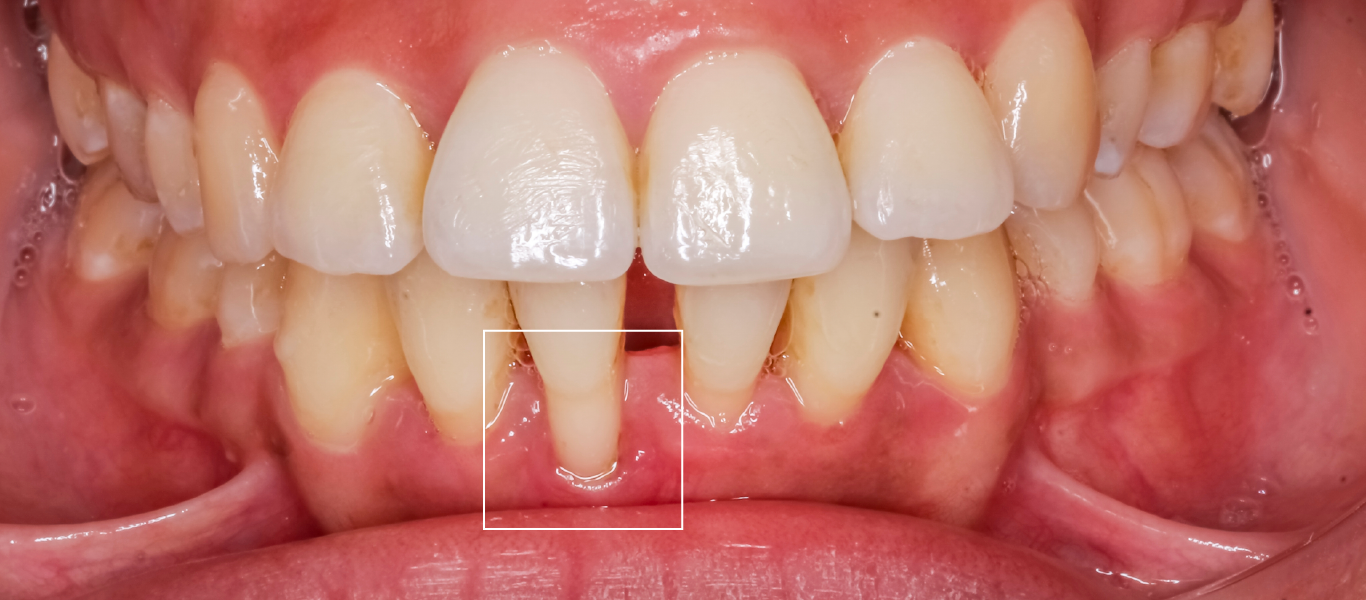
Gum problems can lead to bone loss and tooth dislocation, resulting in unwanted spaces.

Only an early and timely diagnosis will make it possible to find the right treatment, for example through dentistry or orthodontics, as we are now going to talk.

What are the solutions to close the diastemas?

In A Clínica Dr. Pedro Mota, every smile tells a story and each treatment is personalized so that the result is as natural as possible.

The approaches may be completely different from case to case because it is necessary to be in agreement with the problems and individuality of each human being.

Thus, treatments are not all the same and may not be suitable for all cases. Our experts not only make the diagnosis but advise the most beneficial treatment according to your needs.

Among the treatments used to eliminate diastemas we can list:

  • Devolver a estética;
  • Durability and resistance;
  • Improve the damaged enamel;
  • Quick result
  • Do not suffer from color change;
  • Painless procedure.

    But there are more reasons to consider this area of dentistry that is dedicated to the recovery of all viable teeth you can consult here.

Composite resin restoration is one of the most common aesthetic dental procedures used to repair teeth damaged by cavities or fractures. The composite resin is a tooth-like material, which makes it a popular option for those who want a discreet restoration without compromising the aesthetics of the smile.

Involves removing the damaged part of the tooth and applying a layer of resin that is molded directly over the cavity. The resin is then hardened, allowing the dentist to mold the material to fit the natural shape of the tooth perfectly.

The main advantage of this type of restoration is its ability to integrate with the tooth in a practically invisible way, besides being a conservative procedure that preserves most of the original dental structure. In addition, the composite resin has good durability.

The truth to discover when we talk about lying teeth?

Although it seems harmless and apparently related only to the aesthetic issue, the truth is that correcting the spacing between the teeth also brings functional benefits.

When there is diastema, there is a greater accumulation of food residues, increasing the risk of cavities and gingivitis; irregular wear on teeth due to uneven distribution of masticatory pressure; and difficulty in pronouncing certain sounds correctly.

As we have already seen, there are many different ways to correct the separation between teeth.

Don’t let the lying teeth stop you from releasing a true and caring smile.

You may be interested in:

Scroll to Top

Book an assessment appointment

Book an assessment appointment

Book an assessment appointment

We've contacted

We've contacted