

Tooth devitalized darkened. What to do when the smile loses color?

Tooth devitalized darkened. What to do when the smile loses color?

tooth devitalized darkened

No, it’s not vanity! A blackened devitalized tooth can be, first and foremost, a warning sign.

A tooth that has lost its color can be indicative of internal changes and the result of invisible processes happening in your mouth.

At A Clínica we are attentive and do not devalue any sign that the body manifests.

With the reading of this article, it was time to understand the reasons for the blackening of a devitalized tooth and how we work in response to this situation, maintaining our patients’ trust unwaveringly!

Contents approached

Why, and when, does a decayed tooth darken?

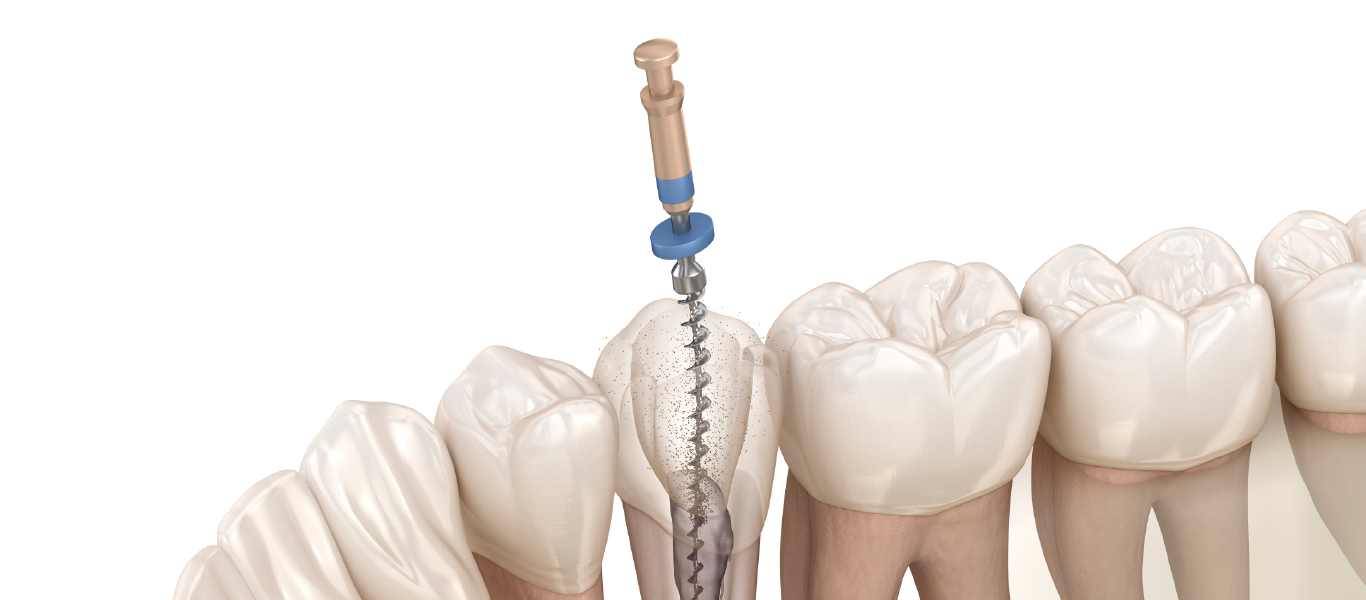
When a tooth is devitalized, that is, subjected to endodontic treatment (also known as “canal treatment”), it loses its vitality. With the removal of pulp, the internal tissues are no longer irrigated, and over time, this structural change may be reflected in color.

Even if the treatment has been successfully performed, it is possible that the tooth may darken weeks, months or even years later due to various causes identified in the consultation.

Alerts that come from a blackened devitalized tooth

Although often associated only with the image, darkening can be a sign of something deeper. Infiltrations, channel seal failures or silent reinfections are real risks.

But there is something else you should keep in mind:

That is why, in addition to treatment, we are very concerned about the causes. It is no coincidence that we resort to tools such as operating microscopy and high-definition digital radiographs, as these allow us to observe the invisible with greater reliability, in this case when faced with a dark, devitalized tooth.

Did you know that we are one of the dental clinics in Vila Franca de Xira with CBCT technology (Cone Beam Computed Tomography), which is a similar technology to CT?

Consisting of a conical source of X-ray emission allows to obtain high resolution three-dimensional images, with less radiation and greater convenience.

What clinical approach can you expect from our dentists in Vila Franca de Xira

How will you treat the darkened tooth?

There are three buzzwords in the whitening of devitalized teeth: accuracy, safety and personalization!

Each patient is unique, therefore each discolored tooth is too. For this reason, the treatment plan always begins with a careful clinical evaluation. In many cases, internal bleaching proves sufficient. This procedure, performed under absolute isolation, allows the tooth to regain its natural color from the inside, without further wear on the tooth structure.

That is, “the internal whitening of teeth darkened by pulp necrosis appears as a good alternative for aesthetic restoration of the dental element, because it shows a conservative technique, fast, safe and low cost,” says the Order of Dentists.

When discoloration is more pronounced, or when the integrity of the tooth is compromised, we resort to restorative solutions such as ceramic veneers. These ultra-thin and highly resistant structures restore color, shape, and function discreetly and effectively. In more advanced cases, with fracture or loss of structure, the ceramic crown represents the definitive solution, providing stability, aesthetics, and longevity.

What is common in patients with devitalized teeth?

Many of the cases that come to us from darkened teeth are related to old devitalization or incomplete treatments, which may be more than a decade old.

Arrived at our dental clinic, we performed an examination with 3D CBCT and microscope to identify whether there are deep infiltrations and flaws in the obturation material in treatments carried out.

Only then is it possible to move on to the following phases: reprocessing, internal bleaching and subsequently placing a custom ceramic facet.

How early is the treatment of scratched teeth, will be a less invasive treatment.

Darkening of teeth, assessed at an early stage, provides a higher probability of avoiding invasive procedures. A timely diagnosis can transform a potentially complex retreatment into a simple conservative whitening.

So, request your dental assessment consultation now and find out how we can treat your blackened tooth with the safety and rigor that dentistry demands, through a combination of science, technology, and experience.

You may be interested in:

Scroll to Top

Book an assessment appointment

Book an assessment appointment

Book an assessment appointment

We've contacted

We've contacted