Using a restraint device: why it’s essential to keep your smile aligned

use a restraint device

Did you finish your orthodontic treatment and finally remove the braces? It’s a long-awaited moment for any patient. However, there is one step that remains fundamental to preserve the results achieved: using a containment device.

Many people believe that treatment ends when the device is removed. In reality, the containment phase is part of the orthodontic treatment itself and is crucial to help keep the teeth in the correct position.

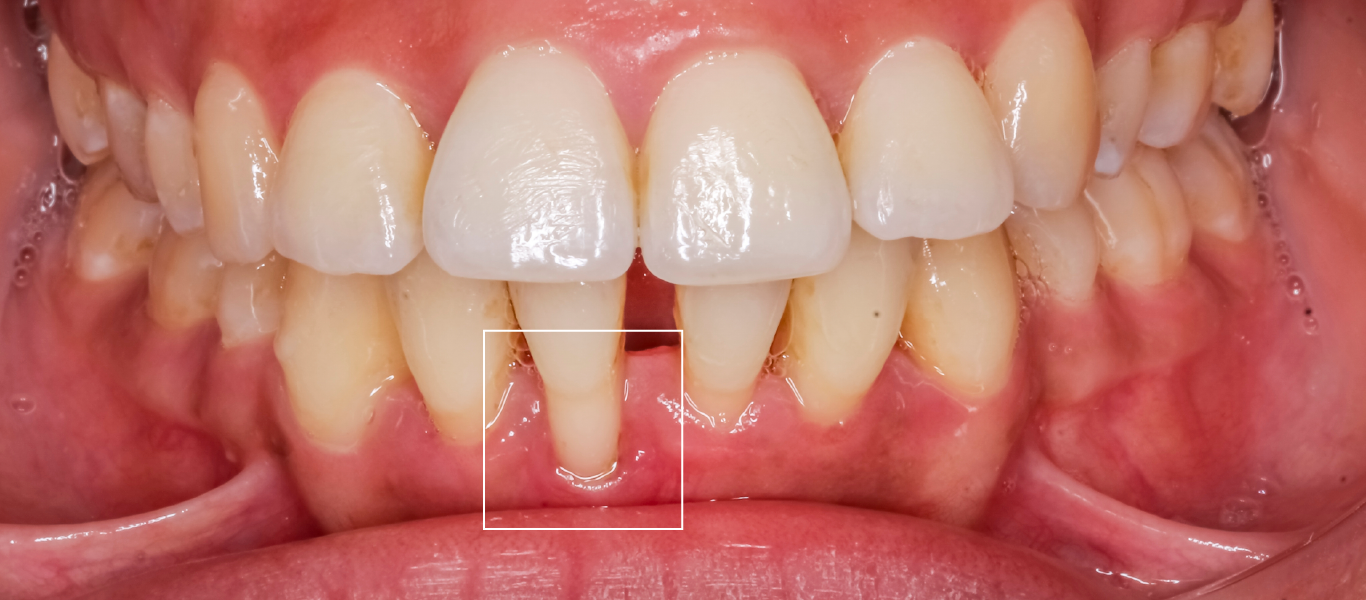
If restraint is not used as indicated by the dentist, there is a greater likelihood of recurrence of orthodontics, that is, partial or complete sprain of teeth.

In this article we explain what the containment device is for, how long it should be used, which different types exist and how using containment after the device can ensure that the treatment result is maintained over time.

Contents approached

Why is it important to use a restraint device?

The main purpose of the brace is to stabilize the new position of the teeth after orthodontic treatment.

For months or years, the dental apparatus or invisible aligners gradually moved the teeth through remodeling of bone and supporting tissues. When treatment ends, these tissues still need time to reorganize and stabilize.

Without this phase of adaptation, there is a natural tendency for some teeth to undergo small movements.

Therefore, using a restraint device is not an adjunct to treatment. It is an indispensable continuation of the orthodontic treatment itself, as stated by the American Association of Orthodontics.

This association goes further and states that virtually all patients require restraint to help prevent tooth movement after removal of the device.

The American Association of Orthodontists also emphasizes that aligning teeth is only part of the treatment; keeping them aligned is the next step, as it is likely that there will be some movement in the teeth if you stop using the brace.

Will your teeth become crooked again if you stop using a restraint device?

This is one of the most frequent questions among our patients.

The answer is simple: they can move again.

Teeth never remain completely immobile throughout life. Even people who have never had orthodontic treatment may experience minor changes in dental position due to aging, chewing, tongue forces, growth or gum changes.

After orthodontic treatment, this trend may be more significant, especially during the first few months after removal of the brace.

When the patient stops using restraint without clinical indication, the risk of orthodontic recurrence increases.

In some cases, the changes are discrete. In others, they may compromise the alignment achieved and make new treatment necessary.

What is the containment device for?

The brace is used to keep the teeth in the position reached during orthodontic treatment.

In addition to helping maintain dental alignment, it allows bone, gums and other supporting tissues to adapt to the new tooth position.

In this way, the investment made in treatment is protected and the risk of unwanted movements is significantly reduced.

How long to use restraint device?

This is probably the most researched question by patients.

The answer always depends on the assessment of the dentist or orthodontist, since each case has its own characteristics.

The time of use may vary according to:

Nowadays, many experts such as A Clínica recommend the use of containment for extended periods.

The most frequent is recommended daily use, usually during the night, in the first year after treatment, and may later switch to long-term maintenance use as clinical progress.

For this reason, containment should be viewed as a maintenance phase of treatment rather than a temporary solution lasting only a few weeks.

Types of containment device

There are two main types of restraint devices. The choice always depends on the clinical evaluation carried out by the dentist.

The removable restraint can be placed and removed by the patient himself.

It is often used at night and has several advantages.

It allows you to remove the device for eating, facilitates oral hygiene and enables simple cleaning of the containment itself.

However, it requires discipline. If not used as recommended, it loses effectiveness and increases the risk of tooth movement.

It should also always be stored in the respective box when not being used, avoiding losses or deformations.

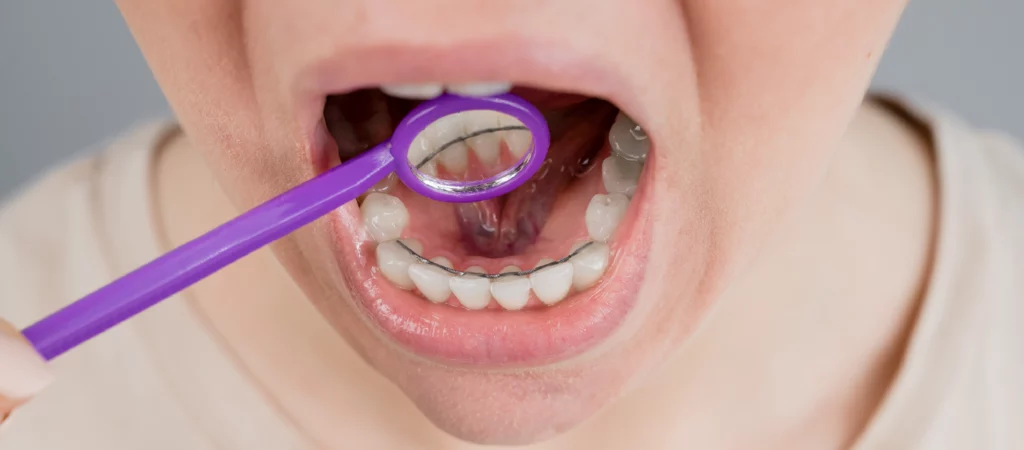
Fixed containment consists of a very thin metal wire glued to the inner side of the teeth.

It is virtually invisible during the smile and remains continuously functioning, not depending on the patient’s memory.

Despite these advantages, it requires strict oral hygiene care.

It is important to brush the containment area carefully, use recommended hygiene devices and have regular check-ups to ensure that it remains properly taped and in good condition.

How to care for the containment device?

Regardless of the type of containment used, even a combination of the two can be used at the same time, daily care is essential to ensure its effectiveness.

In the case of fixed containment, special attention must be paid to hygiene near the metal wire, and specific brushes or dental floss may be recommended.

In removable containment, cleaning must be performed daily out of the mouth using water and a suitable brush.

It is not advisable to use very hot water or aggressive products that can deform or damage the material.

Whenever the containment breaks off, no longer fits properly, causes discomfort or if you notice that the teeth have started to move, contact the clinic as soon as possible.

What happens if I stop using containment?

Discontinuing the use of containment without clinical indication may allow teeth to initiate minor movements.

Often these changes go unnoticed at first.

When the patient experiences containment again, it no longer fits properly.

This is often one of the first signs that tooth movement has occurred.

The earlier an assessment is made, the more likely it is that additional treatments will be avoided.

Frequently asked questions about using a restraint device

The decision must always be made by the dentist responsible for treatment. It should never stop use on its own initiative.

No. When properly adapted, it is precisely designed to be used during the period recommended by the oral health professional.

Not necessarily. Although it may last for many years, it requires periodic monitoring because it can break off, deform or wear out.

Yes. If it is not used for some time, it may no longer fit due to tooth movement.

If you want to maintain the outcome of your orthodontic treatment, use a restraint device

Removing the dental appliance represents an important moment, but it does not mean that the treatment is over.

Using a holding device is the most effective way to help preserve the alignment achieved and reduce the risk of teeth becoming crooked again.

At A Clínica Dr. Pedro Mota we are highly trained and we follow our patients also in this phase, regularly evaluating the stability of treatment, checking the state of containment and advising the most appropriate solution for each case.

If you recently finished your orthodontic treatment or stopped using your brace and suspect that your teeth have started to move, schedule an assessment appointment.

Early intervention can avoid more complex treatments in the future.

You may be interested in:

Scroll to Top

Book an assessment appointment

Book an assessment appointment

Book an assessment appointment

We've contacted

We've contacted