
Resonates every night? What does the jaw and mouth have to do with your sleep
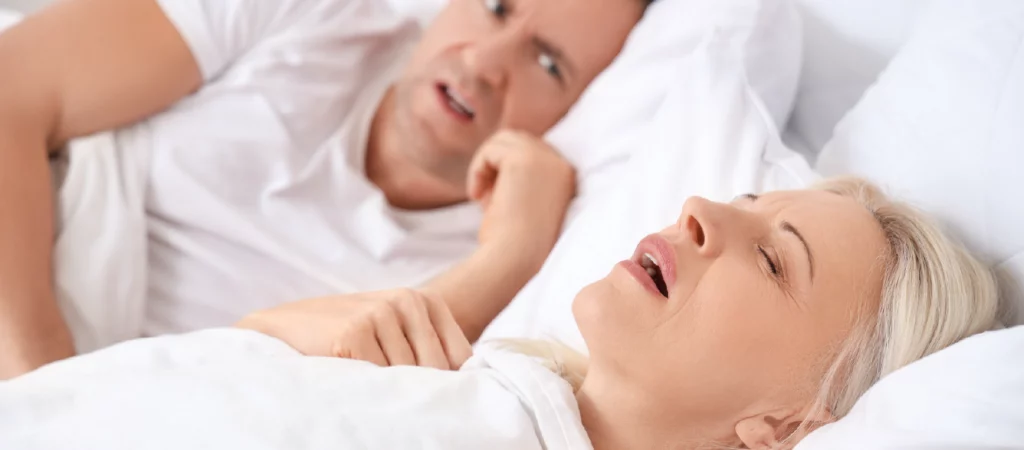
Echoing every night is more than just a bothersome noise. It’s the sound of tissues from the throat vibrating because the air passes with difficulty and, for those who sleep next to them, it is often what weighs the most: the partner who changes rooms, the sleep in pieces, the conversation “I don’t feel that much”.
In most cases, snoring is uncomfortable but benign. In others, it is a sign of obstructive sleep apnea, with breathing breaks and little restorative sleep, and needs medical evaluation. The tongue, jaw and mouth position during sleep are part of the equation.
The dentist does not diagnose apnea, but can play an important role in treatment, including with a custom-made resonator. Here is the essential to know who to turn to and when.
Contents approached
Why does it resonate?
During sleep, the throat and tongue muscles relax and the airways become narrower. The air passes faster and makes soft tissues like the soft palate, the uvula and the base of the tongue vibrate. This is called snoring.
There are factors that favor it: excess weight, alcohol or sedatives at the end of the day, sleeping from the stomach up, stuffy nose (due to rhinitis or deviation of the septum), the age and anatomy of the mouth and jaw, such as a more recessed jaw or a narrower arch.
Snoring or apnea? Three questions before thinking about gadgets
Before any device, it is worth knowing what you are dealing with. Ask yourself and the person sleeping next to these questions:
- Are there breathing pauses? Those who sleep next to you see their chest moving without air passing, followed by a whiff or a cough.
- Are you tired during the day? Excessive drowsiness, fatigue that does not go away, difficulty concentrating.
- Wake up with signs? Morning headache, dry mouth, frequent bathroom trips during the night.
A “yes” justifies talking to the doctor, as does a hard-to-control blood pressure. Only a study of sleep, requested by the doctor, distinguishes simple snoring from apnea. The dentist cannot make this diagnosis.
The jawbone and tongue: where does the dentist come in?
The lower jaw and tongue are connected. When the jaw falls or recedes during sleep, the tongue and soft tissues may constrict the airway. If the jaw is slightly more advanced, the space behind the tongue tends to open. This is the principle of some treatments done by the dentist.
In some people, anatomy, such as a small or receded jaw, makes this more likely. There are still those who ressoon and also have sleep bruxism: the two things can be related, as we explained in the article on bruxism, symptoms and treatment.
Mandibular advancement apparatus: what is and what is not
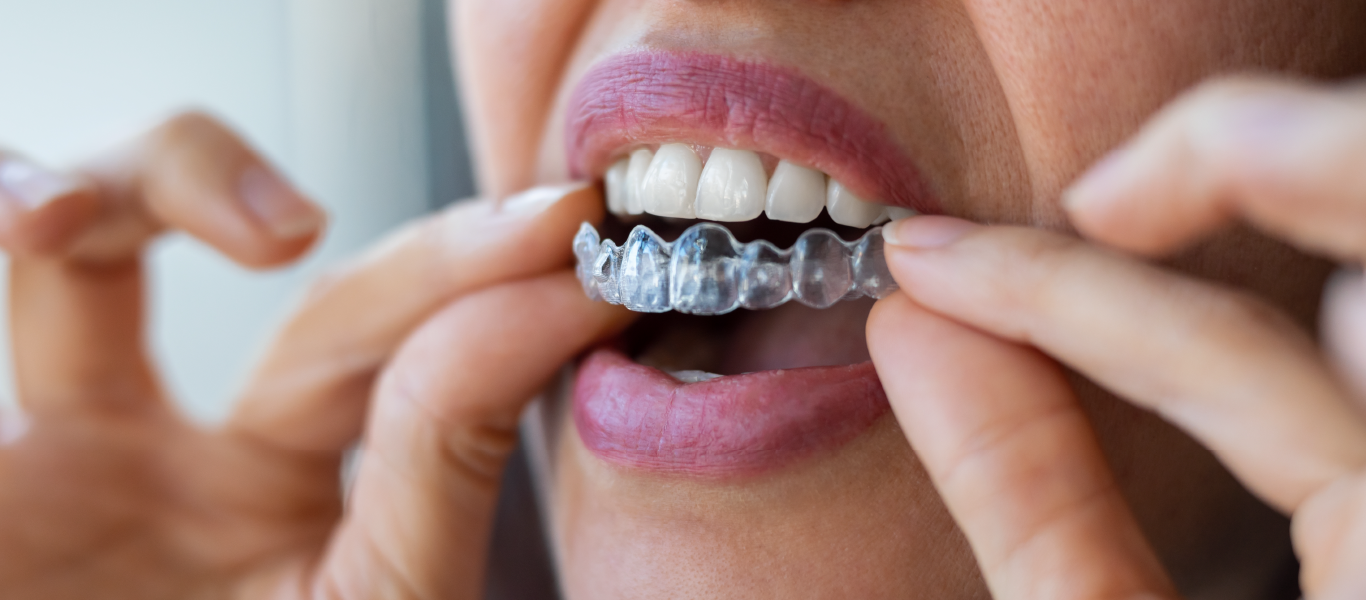
It is a custom-made device, consisting of two plates, one for the upper teeth and another for the lower ones, which keep the jaw slightly advanced during sleep. It is prepared from moulds or a digitization of the mouth and, in the most appropriate models, it is adjustable: the advance can be adjusted over weeks.
It’s not the same as generic “boil and shape” gadgets sold online. Clinical guidelines favor personalized and adjustable appliances, accompanied by a dentist with training in the area. And it’s not a goiter for Bruxism either: different problems serve.
Who makes sense?
According to the clinical guideline on oral devices for snoring and apnea, a device can be considered in those who resonate without apnea and want to treat the snoring, after trying simple measures, and in those with obstructive apnea and do not tolerate or prefer not to use CPAP.
In moderate to severe apnea, CPAP generally remains the first choice because it is more effective at reducing breathing breaks. The oral apparatus is therefore an alternative, and the decision rests with the sleep doctor, in coordination with the dentist. Resonates and wakes up tired or with a sore jaw? Schedule an assessment and we will assess the mouth, jaw, and teeth.
Side effects and follow-up: what you need to know about ressonar and jaw
In the beginning, there is often discomfort in the teeth and jaw, more saliva or, on the contrary, dry mouth, and some muscle pain upon awakening. It usually improves with adjustments, but must be monitored.
With prolonged use, the bite and position of the teeth may change, so regular follow-up is necessary, with dental evaluation and, when indicated, repetition of sleep study to confirm that the device works.
Not all cases are adequate. The appliance needs enough and healthy teeth to fix itself (those who have lost many teeth may need another approach; see what changes when teeth are missing), stable gums, and a jaw joint without relevant issues. Hence the importance of prior assessment.
Before the device: what can change now
There are simple measures that help reduce snoring in many cases:
- sleep on your side, instead of on your stomach;
- avoid alcohol and heavy meals at the end of the day;
- maintain a healthy weight, when overweight is a factor;
- treat with the doctor the stuffy nose, if it is frequent;
- talk to your doctor before taking sedatives or sleeping pills.
They are supportive measures and do not replace assessment when there are signs of apnea.
Frequently asked questions about ressonar and the device
Does the resealing device spoil your teeth?
With prolonged use, the bite and position of the teeth can change. That is why regular dental follow-up is part of the treatment.
Can I use a device purchased online?
Clinical guidelines favor personalized and adjustable appliances, accompanied by a dentist. Generics are no substitute for evaluation.
Who has few teeth or prosthesis can use?
The appliance needs enough healthy teeth to hold in place. Those who have lost many teeth may need another approach, to be evaluated on a case-by-case basis.
Does the sleep goiter solve the snoring?
No. A sleep aid treats the rattle or clench of teeth and is different from a snoring appliance. And it does not treat apnea.
First assessed, then decided
- Ressonar is not always serious, but it should not be ignored when it comes with tiredness, breaks, or morning headache.
If you have doubts about your snoring, the first step is to figure out what’s behind it. Ask the person who sleeps next to what you observe, write down how they feel during the day and tell the dentist or doctor if they take sleeping medication or have any sleep studies done.
Book your review at A Clínica Dr. Pedro Mota in Vila Franca de Xira to assess your mouth, jaw and teeth and, if necessary, coordinate with your doctor.
This article is for informational purposes and does not replace an individual clinical evaluation. The diagnosis of sleep apnea is made by a doctor and the choice of treatment depends on each case.
Seek expert help
Will be evaluated by the specialist dentist in our clinic. We listen to your needs and plan your treatment according to your wishes. In our clinic, we do not sell treatments, we return smiles.
We plan the smile, clarify your doubts and execute with precision.
You may be interested in:

Is a dental appliance with an implant a possible combination?
The dental appliance with implant is not an incompatibility. Let’s explain what happens when orthodontics and implantology intersect.

Return smiles in a few hours? It’s called oral rehabilitation on the day itself!
If you have lost teeth, look for perfect teeth, harmony in your smile and return to a normal life within a few hours, oral rehabilitation on the day itself is the solution.
It’s never normal to bleed your gums!
Bleeding from the gums is one of those situations that, although common, cannot be ignored. Take note that at some point, it may even integrate the batch of periodontal diseases, so it is important to know how to avoid such a fact!

Benefits of placing a fixed prosthesis over implants
Tooth loss goes far beyond aesthetics and the impacts on self-esteem, but can end in sight with fixed prosthesis over implants.