
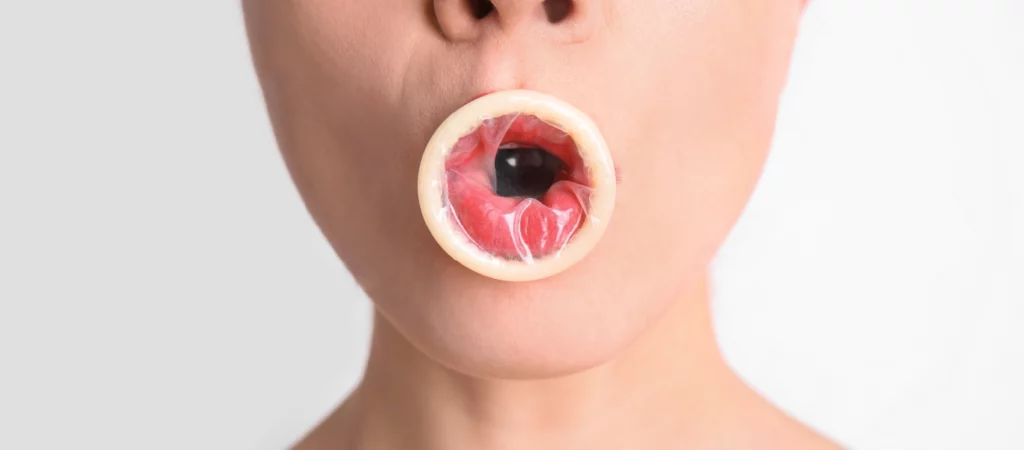

Most common oral sexual diseases
A 'little red ball' theme, explained without shame
Talking about oral sex is still, for many, a subject shrouded in silence, embarrassment and shame. But the truth is that health cannot and should not be taboo, especially when we talk about something so common and present in intimate life. Oral sexual diseases exist, are more frequent than one might think and often go unnoticed until they become a real problem.
In this article we will look unashamedly at the most common oral infections, demystify prejudices and explain how they can be prevented, with clear information, credible, accessible and, also, without moralizing.
Because caring for sexual health is taking care of us, and information is the first step to protection!
Contents approached
Most common oral sexual diseases
According to the World Health Organization (WHO), every day around the world, more than 1 million people contract treatable sexually transmitted infections (STDs) between the ages of 15 and 49, most of them asymptomatic.
As many of them can also manifest themselves in the mouth, let us turn our attention to them:
-
oral HPV
Related to potentially malignant lesions and increased risk of oral cavity and oropharyngeal cancer.
-
Syphilis
May cause white/red sores or plaques in the mouth, transmissible through oral sex.
-
Herpes simplex type 1 and 2
Responsible for painful and recurrent ulcers on the lips and oral cavity.
-
Oral gonorrhea and chlamydia
They cause throat inflammation, ulcers or pharyngitis.
-
HIV
It is not transmitted by kissing, but the presence of gum wounds or bleeding can increase the risk in unprotected oral practices.
Studies have shown that oral sex is a significant route of transmission for STDs, including syphilis, gonorrhea, herpes, HIV, and HPV, which reminds us of the need for greater awareness of these infections’ oral manifestations.
The relationship between sexual health and oral health
The mouth is not only the entrance to the digestive system; it is also a space for intimate contact.
Oral mucous membranes are highly susceptible to infections. An oral imbalance, such as gingivitis or ulcers, can make transmission even more likely.
Maintaining good oral health does not prevent sexually transmitted infections (STIs) on its own, but it reduces risks and facilitates early detection of warning signs.
The role of the individual and the dentist in prevention
Prevention combines safe behaviors and regular clinical follow-up:
- Use of protection (condoms and other means of protection) in oral practices.
- Periodic oral health check-ups to identify suspicious changes.
- Vaccination against HPV, recommended in several countries, as an effective prevention measure.
In fact, HPV vaccination should be seen as a public health priority, since the virus is one of the main culprits for oral lesions at risk of malignancy. This message is in line with the Order of Dentists (OMD) and the WHO, which warn for the integration of oral health into sexual health programs.
What if the diagnosis is late? What are the consequences?
Delay in identifying an oral infection can lead to serious complications:
- Oropharyngeal cancer associated with HPV.
- Dental loss and deterioration of the oral mucosa.
- Systemic spread of infection, impacting quality of life.
Early detection means greater treatment effectiveness and lower risk of transmission to partners.
If we begin by saying that in intimate health there can be no pustules, the same cannot be said of this consciousness. Never jeopardize the health of being a partner! In this premise, there is no room for “if”.
Sexual health and oral health are more connected than people realize.
Therefore, it is essential to remember that early prevention and diagnosis saves lives and preserves quality of life.
Maintaining oral hygiene habits, safe sexual practices and regular dental appointments are key steps to reduce risks.
To learn more about protecting your oral health and identifying early signs of infections, schedule an oral hygiene consultation now at A Clínica Dr. Pedro Mota. In this consultation, our hygienists always diagnose and screen for oral diseases.
You may be interested in:

Toothlessness: have you ever stopped being able to crack an apple?
Do you have difficulty chewing? A lack of teeth can affect your diet and digestion. Learn how to regain comfort with oral rehabilitation.

The dream commands life: from poetry to healthy smile
The dream commands life.” António Gedeão inspires generations and reminds us that the simplest desires, like a healthy smile, transform!