
Is drinking tea good for your teeth? Benefits, stains and cold sensitivity

Is drinking tea good for your teeth?

Drinking tea is a daily habit for many people, especially in the colder months. In addition to the comfort it provides, tea is often associated with benefits for overall health thanks to its antioxidant properties. However, when it comes to oral health, questions often arise: is drinking tea good for your teeth? Can tea stain the enamel? What is the relationship between hot drinks and teeth, especially with regard to cold sensitivity?

The answer is not simple or absolute. As with many foods and beverages, the impact of tea on the oral cavity depends on several factors such as the type of tea consumed, the frequency of ingestion, the habits of oral hygiene and the previous state of teeth and gums. Assessing the theme therefore requires a balanced and evidence-based approach.

This is what we are going to do in this article.

Contents approached

Tea and oral health: possible benefits for mouth balance

Some types of tea, particularly green tea and black tea, contain polyphenols and antioxidants that have been associated with reducing certain oral bacteria. These compounds can contribute to a more balanced oral environment, helping to limit the bacterial proliferation involved in gingival inflammation.

In the context of the relationship between tea and oral health, these effects are often presented as complementary to a proper care routine. The American Dental Association recognizes that balanced food choices and drinks with antioxidant properties can be part of an oral health-friendly lifestyle, as long as they do not replace daily oral hygiene or regular clinical follow-up.

However, it is important to emphasize that tea does not replace essential practices such as correct brushing, the use of dental floss or regular visits to the dentist for oral hygiene. Its role, when it exists, is only complementary.

Black tea stains teeth? The impact of tannins on enamel

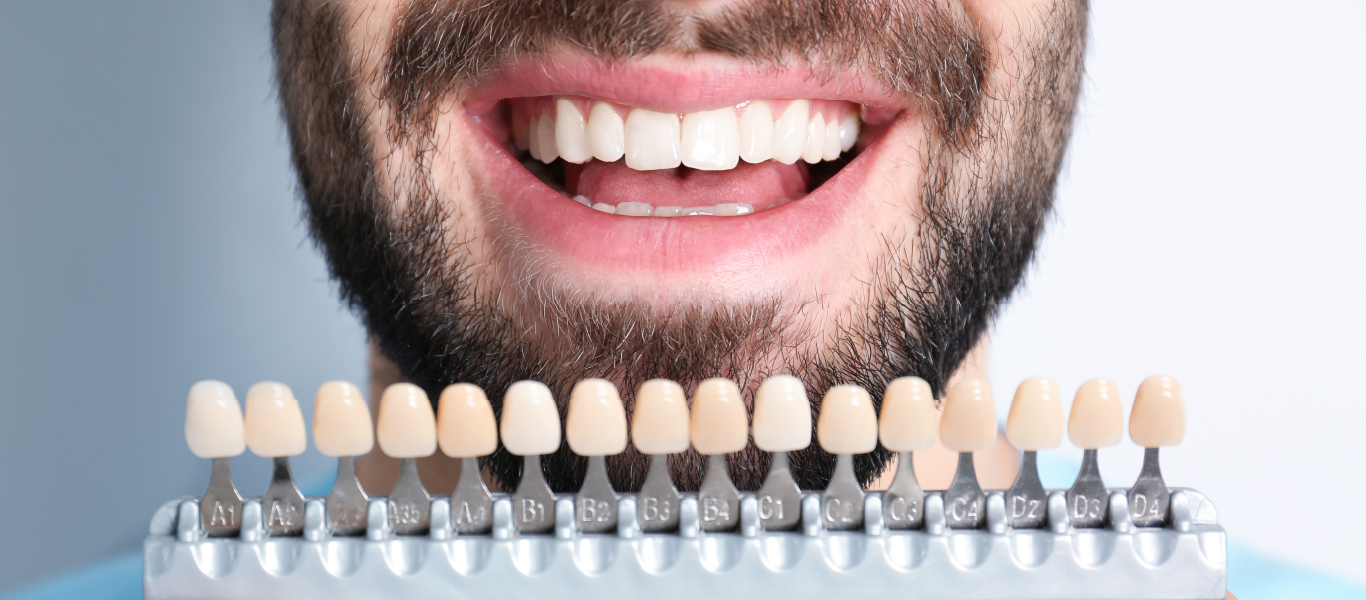
Despite the potential benefits, there is one aspect that deserves attention: black tea stains teeth. The tannins present in black tea and, to a lesser extent, in green tea have affinity with tooth enamel, adhering to its surface and promoting progressive darkening over time.

Estas manchas não representam, por si só, um problema de saúde, mas podem afetar a estética do sorriso.

❌ A common mistake is to try to remove these stains by overly aggressive brushes or abrasive products. This approach can cause enamel wear and gingival retraction, creating favorable conditions for the appearance of tooth sensitivity.

Hot drinks and teeth: is there a relationship with sensitivity?

The connection between hot drinks and teeth is often associated with tooth sensitivity. Sensitivity occurs when the dentin is exposed, either by enamel wear, gingival retraction or microcracks. In these cases, the thermal stimuli become uncomfortable or painful.

Tea, alone, is not a direct cause of sensitivity. However, in already weakened teeth, frequent consumption of hot drinks can make the pain more evident, especially when there is thermal alternation, such as post-cold exposure. It is in this context that fits the concept of dental sensitivity hot drinks, often referred to by patients.

We have already talked about this in detail in the article dedicated to tooth sensitivity to cold, where the causes, symptoms and the most appropriate clinical approaches are explained. Be particularly careful when the sensitivity is persistent, as it should be evaluated clinically.

The Order of Medical Dentists warns that this symptom may indicate significant wear or underlying pathology.

How to drink tea without compromising oral health

Despite everything we have already said, do not be scared because it is not necessary to eliminate the tea routine to protect your teeth. Some simple measures help reduce the negative impact of regular consumption:

When there are persistent spots or sensitivity that does not improve, it is essential to carry out an individualized clinical evaluation, as we do in the Clinic.

Procedures such as desensitizing treatments or tooth whitening should only be considered after proper diagnosis.

After all, drinking tea is good for teeth or not?

Drinking tea can integrate the lot of actions of those who seek a healthy and balanced lifestyle, provided that accompanied by adequate oral health care.

Tea may contribute to a more controlled oral environment, but it can also cause spotting and show sensitivity in vulnerable teeth. This is the conclusion!

In the face of any discomfort, aesthetic change or persistent pain, the wisest decision is to seek professional evaluation and act with discretion. Information, prevention and clinical follow-up continue to be the pillars of good oral health.

Schedule your appointment at Clínica Dr. Pedro Mota.

You may be interested in:

Scroll to Top

Marcar consulta de avaliação

Marcar consulta de avaliação

Nós contactamos!