


I’m getting a siso tooth, do I need to remove it?
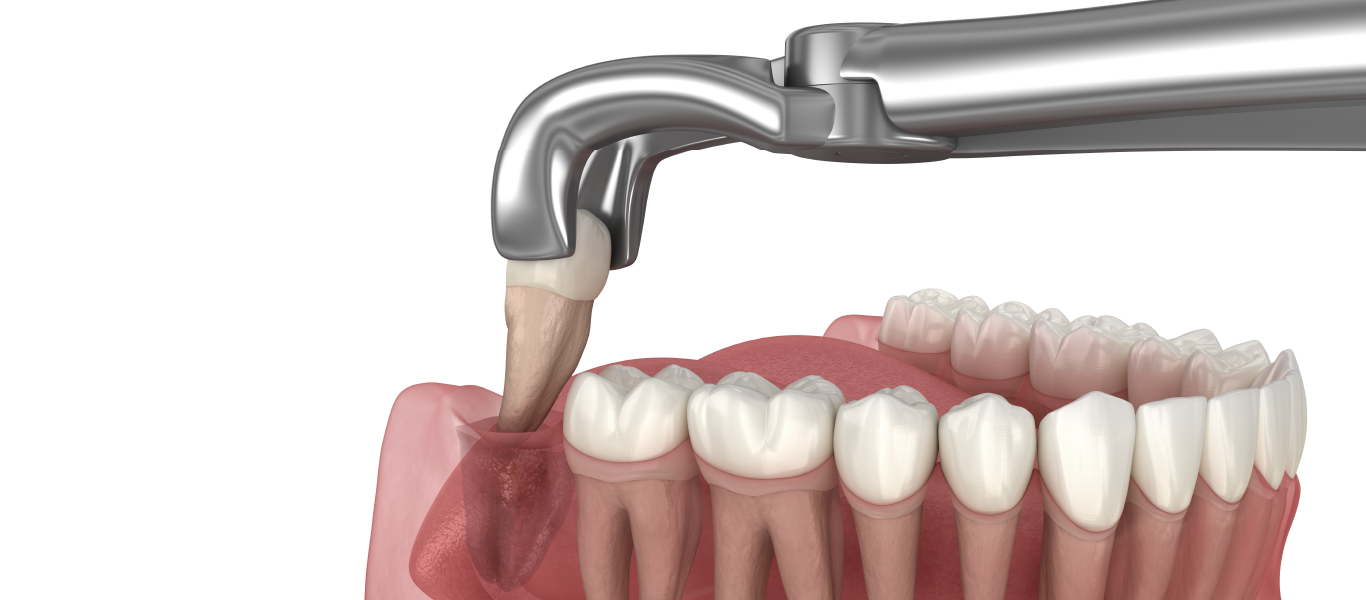
It hurts. Inconvenient. It comes when you least expect it and seems to want to rule alone in your mouth. When he is born, there is a question that sets in: “Do I really have to remove the tooth from the siso?”
Sometimes, the answer is less obvious than it seems, as you will notice throughout this article.
Contents approached
Not all sisos become intruders
The teeth of the siso are the third molars and therefore the last to reach its mouth, usually between 17 and 25 years old and currently have no specific function in dentition. What’s wrong with this?
Often there is no space for more teeth in the dental arch and, therefore, a high percentage of siso teeth end up requiring evaluation and even the inevitable extraction.
But the truth is that not all sisos have to be removed. If they have space to erupt completely, are well aligned and do not cause inflammation or pressure on the neighboring teeth, they can perfectly hold. The myth of “born, take” no longer applies.
Therefore, you only need to remove the tooth from the siso when it is harmful, but do not worry that with a small oral surgery will solve the problem.
When the body wants to speak, don’t ignore these symptoms
In fact, when a siso makes its own, the body warns. Now look, persistent pain in the back of your mouth, swelling of your gums, frequent bad breath and even a slight fever are clear signs that something is not right.
In many cases, the problem is called pericoronaritis and “it is characterized by inflammation of the intraoral soft tissues that are closely related to the crown of a partially erupted tooth, with pain that persists for several days,” says the Order of Dentists (OMD). If left untreated, it can progress to more severe infections, abscesses or even compromise the bone structure.
If you feel any of these symptoms, don’t wait. The sooner you are evaluated, the easier the treatment will be.
The importance of imaging
Seeing is not enough. You need to look inside, as we have already discussed here. At the Dr. Pedro Mota Clinic, each siso tooth is evaluated using dental imaging, a key area to understand the position, orientation and potential impact of the tooth.
With technology such as orthopantomography (panoramic X-ray), lateral teleradiography or 3D CT scan, we can accurately analyze the state of the siso even before the siso causes visible problems. This type of diagnosis is painless, rapid and with minimal exposure, allowing safe clinical decisions.
Now the answer to the question that everyone wants to know.
Should I always remove my siso tooth?
The answer is not universal. A siso is always between two distinct realities: it can be perfectly functional or an imminent risk. The decision always passes by:
- Espaço disponível na arcada, ou seja, detetar a falta de espaço para o dente do siso;
- Posição do dente no maxilar;
- Existence (or not) of recurrent infections;
- Damage to neighboring teeth;
- Potential to develop cysts or bone resorption.
According to the American Dental Association (ADA), clinical and radiological evaluation, used in combination, are key to deciding whether extraction is necessary even when there is no pain yet.
Remember this, as in everything in life, we only need what is essential and does not affect our health!
How is the extraction of the siso tooth done?
The procedure is done under local anesthesia and in simple cases may take only a few minutes. In more complex situations, such as teeth included in the bone, may require surgery with more postoperative care.
It may be important to consider even the conscious sedation available in our dental clinic in Vila Franca de Xira whenever it concerns:
- More invasive surgeries, such as the extraction of siso teeth included or partially erupted (often associated with pericoronaritis);
- Patients with fear of the dentist or intense anxiety about surgical procedures;
- Cases in which it is necessary to keep the patient calm and motionless, ensuring comfort and safety during the surgical act.
Recovery after extracting the siso tooth is usually quick, as long as it follows medical indications such as rest, use of compresses, soft feeding and a strict oral hygiene.
What if I don’t do anything, are there symptoms or not?
- The decision to extract or not the siso is not up to you!
Having a dint of the siso to be born is not, by itself, a sentence of extraction. But ignoring signals, postponing diagnoses, or trusting the “will pass” can be expensive and cause you unnecessary suffering.
You may be interested in:
Second opinion at the dentist, because a second look can make all the difference
Do you have questions about a treatment, implant or prosthesis? Know when to get a second opinion from the dentist and why a fresh look can make a difference.
Drink water for the good of your teeth: the role of water in oral health
Water in oral health, for the production of saliva and in the prevention of cavities has a decisive role. Know why and how much you should drink per day.