

Gums and hormones: why do they bleed during menstruation, pregnancy and menopause?
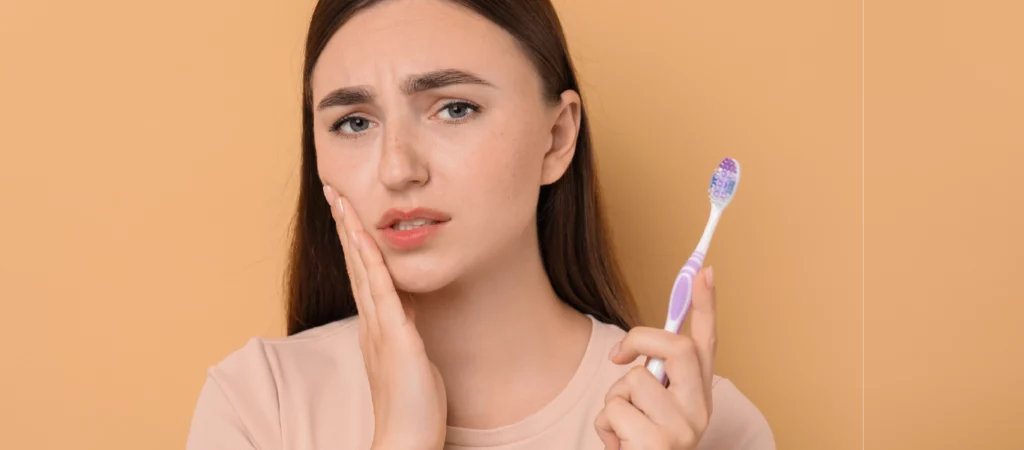
He’s brushing his teeth as usual. Same toothbrush, same toothpaste, same care. And suddenly, the sink gets that pink tone that was not there last week.
If this happens to you at about the same time of the month, during pregnancy or in a new phase of life, you’re not imagining things: your gums and hormones are more connected than most people realize.
The part that is rarely explained is the second: realizing that hormones have influence does not mean accepting bleeding as “a woman’s thing”. This is where this conversation should start, not end.
Contents approached
O que fazem as hormonas às gengivas?
The gums are very irrigated tissues and very sensitive to what happens around them. Estrogen and progesterone can influence this irrigation and how the body responds to plaque, the invisible film that forms on teeth throughout the day.
At certain stages, the same amount of plaque that previously went unnoticed causes a stronger reaction: red, swollen gums that bleed easily. It’s not that from one day to the next it gets worse. It’s that the tissues react differently to the same stimulus.
This is not to say that hormones are the cause of everything. The plaque remains the starting point of gingivitis, and hormones act as an amplifier. So the answer is rarely “I blame the hormones” or “I’m doing a bad toothbrushing”: it’s usually a combination, and only an expert assessment can separate the two.
Bleeding gums before menstruation: is it normal?
Some women notice, in the days leading up to menstruation, more sensitive gums that are swollen or prone to bleeding. Others never feel anything, and both are possible. When it happens, it tends to repeat itself with the cycle, and hence the feeling that “it always comes back at the same time”. The hormonal influence can, incidentally, start early in puberty.
But frequent doesn’t mean harmless. If bleeding disappears when menstruation arrives, it’s a pattern worth knowing. If your gums are bleeding during menstruation, if it increases from month to month or if you have bad breath, it is no longer just the calendar and needs to be seen.
A simple trick: for two or three cycles, write down on your phone the days when your gums bleed and how long it lasts. You don’t need anything else. This record transforms a “I think it is by now” into concrete information, which helps the dentist to understand what is happening.
Gums and hormones in pregnancy: what can change?
There is an idea that runs through generations: “every child, a tooth.” It’s not true. The baby will not seek calcium from the mother’s teeth, because the calcium from the teeth is not mobilized to form the baby’s skeleton. What can change, yes, is the environment of the mouth:
- Gums in pregnancy can swell and bleed more easily, a reaction known as pregnancy gingivitis;
- Queasiness can make brushing difficult and unpleasant;
- Vomiting exposes the teeth to stomach acids;
- Changes in diet, with more frequent snacks, can increase the risk of cavities.
If you vomit, don’t brush your teeth right away: enamel becomes more vulnerable to acids. Rinse your mouth with water and wait at least half an hour before brushing.
And don’t postpone the appointment because you’re pregnant. Preventive care and necessary treatments can be done, with adaptation to the clinical situation, and a pain or an infection should not wait for childbirth. It is no coincidence that the Order of Dentists (OMD) highlights heresome of the symptoms to which it must pay attention.
If you want to debunk other myths, read weak teeth after pregnancy.
Menopause and dry mouth
Need a sip of water to be able to speak. Feel your mouth sticky when you wake up. Avoid bread or cookies because they cost to swallow. The dry mouth in menopause rarely appears as a main complaint: it settles gradually, until the day you notice that habits have changed because of it.
Some women report dry mouth, changes in taste or burning tongue during and after menopause. But not all the new symptom is hormonal: medication (many commonly used medications dry the mouth) and other health conditions also count, so it is worth investigating rather than assuming.
And why does this matter to your teeth? Because saliva is a defense: it helps you swallow, clean waste, and protect your enamel. With less saliva, the risk of cavities and some infections increases. Drinking small sips of water throughout the day and avoiding sugary drinks is comforting, but it’s no substitute for recognizing the cause. If you want to know more about this subject, read menopause and oral health.
Contraceptives, fertility and hormone therapy: what to say to the dentist
When the dentist asks “what medication do you take?” , the answer should not lie in the tablets you think have to do with teeth. Hormonal contraceptives, fertility treatments and menopausal hormone therapy are part of the relevant clinical information for our specialist doctors.
This is not to say that they cause problems in the mouth: the relationship depends on each person and the context, and there is no reason for alarm. This means that, adding this information to the history of symptoms (when they started, if they changed after some change), the assessment becomes more complete.
Does not suspend or adjust a therapy on its own initiative. If an effect on the mouth, such as dryness, is suspected, the decision is shared with the person who prescribed it.
Caring better is not brushing harder
When gums bleed, there are two opposing instincts and both fail. Some brush harder to “clean better.” And there are those who avoid the bleeding area, so as not to irritate it. No help: the first one traumatizes the tissues, the second lets the plaque accumulate, and the inflammation worsens.
What works is less dramatic:
- brush twice a day with fluoridated toothpaste and a soft brush, without pressure;
- clean the spaces between the teeth every day, with dental floss or brushes of the right size;
- maintain cleanliness near the gum even when it bleeds, gently, because it is regular cleaning that often causes bleeding to decrease;
- review the technique in an oral hygiene consultation, where the most suitable instruments for your mouth are also chosen.
When to schedule an assessment of a woman’s oral health?
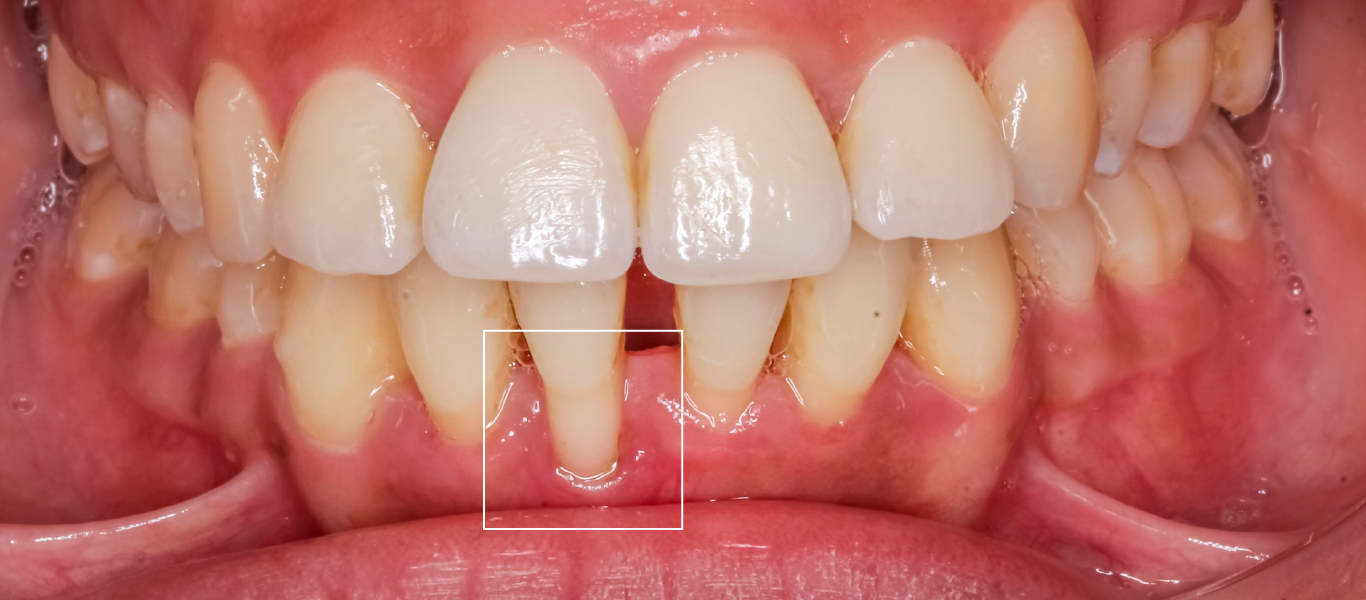
- "It’s the hormones" may be the beginning of the conversation, but it shouldn’t be the end. Repeated bleeding, swelling, persistent bad breath, gingival receding or drooping teeth justify periodontal evaluation even without pain.
Women’s oral health follows life phases and deserves monitoring in all of them. There is no need to wait for the pain: gum diseases can progress without this warning. The assessment of tissues supporting teeth belongs to the area of periodontology, and when dryness or burning predominates other assessments may be necessary, guided by symptoms.
At the next appointment, instead of “I have sensitive gums”, try to say since when, in which situations it happens, if there is a pattern and what has changed in the meantime. These details make the conversation much more useful and help in a better diagnosis by experts.
If you have noticed changes in your mouth, bring your questions to the consultation at the Dr. Pedro Mota Clinic in Vila Franca de Xira. You don’t need to come with an explanation: the evaluation exists to look for it.
Seek expert help
Will be evaluated by the specialist dentist in our clinic. We listen to your needs and plan your treatment according to your wishes. In our clinic, we do not sell treatments, we return smiles.
We plan the smile, clarify your doubts and execute with precision.
You may be interested in:

Gingival recession: why does the gum recede and when should it worry?
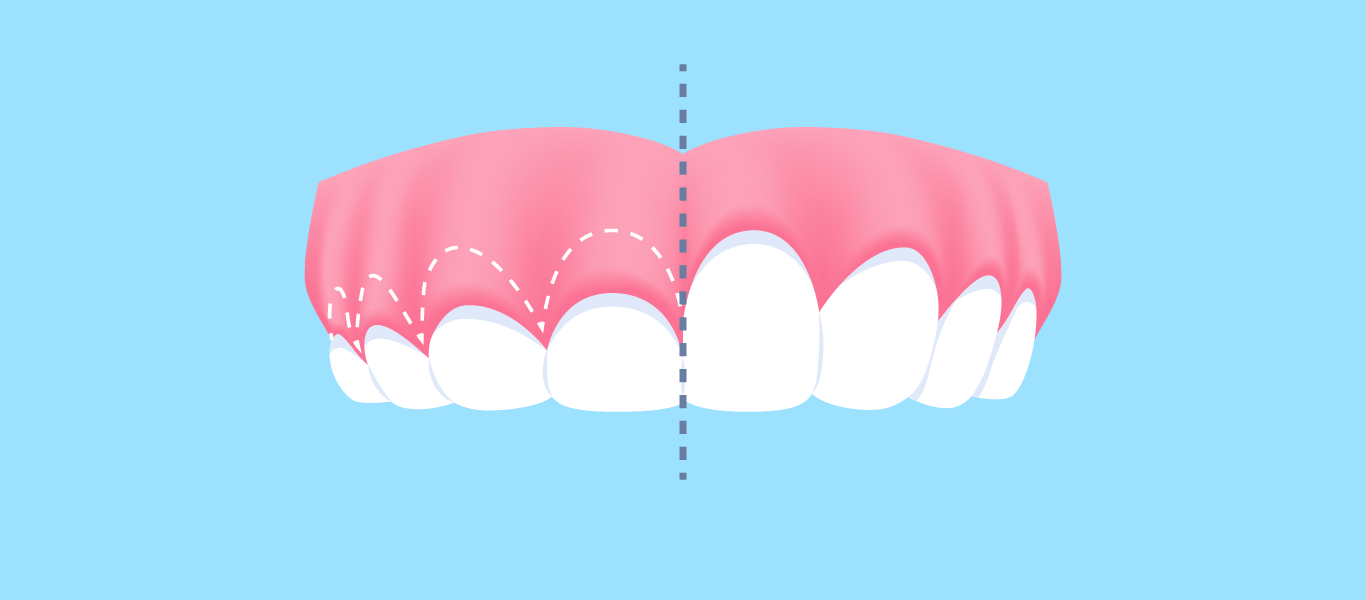
The gum receded and the tooth looks bigger? Know what the signs and possible causes of gingival recession are, when to seek evaluation and how it can be treated.
Gingivectomy recovery: healing, care, before and after
Gingivectomy recovery: what is normal to feel, how long does healing last and when you notice the difference in smile.

The dream commands life: from poetry to healthy smile
The dream commands life.” António Gedeão inspires generations and reminds us that the simplest desires, like a healthy smile, transform!
It’s never normal to bleed your gums!
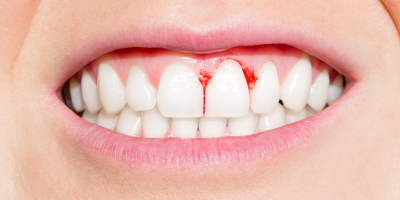
Bleeding from the gums is one of those situations that, although common, cannot be ignored. Take note that at some point, it may even integrate the batch of periodontal diseases, so it is important to know how to avoid such a fact!