


First visit to the pediatric dentist: when to take the child and how to prepare

The World Health Organization (WHO) recommends that the first visit to a pediatric dentist should take place when the baby is born or within the first year of life.
In this way it is possible to monitor the child’s overall health and growth, with the aim of making the first experience at the dentist positive.
At the same time, this moment creates some anxiety and doubts in parents and arise questions such as:
- “Will you be afraid?
- “Will you cooperate?”
- “How should I prepare my child?”
That’s why today we leave some important tips to parents before entering the office, which can make all the difference in the behavior of the child at the Pediatric Dental Consultation.
The truth is that a good first experience does not happen by chance. It is built, step by step. One thing we can guarantee, children love the first consultation at A Clínica, find out why!
Contents approached
Importance of the first visit to a dentist in childhood
The pediatric dental consultation serves primarily to prevent, track growth and create healthy habits early.
It is also the child’s first contact with dental medicine: with space; with smells; with sounds; and, of course, with people.
The goal is to make oral health a natural topic, just like going to the pediatrician.
In addition, this specialty helps to prevent fear and prevents that the visit to the dentist happens only in pain or emergency situations.
When the child only goes to the dentist when he is in pain, he tends to create aversion and many fears.
Before the consultation: the work you don’t see
Even before the child arrives, preparation must be in place. During the first contact with A Clínica, important information is collected:
- Age of the child.
- Reason for consultation.
- Relevant background.
- Contact details of those responsible for the child.
Parents can send information and even photographs of what worries them, so as not to speak in front of the child, in order to give information to the Pediatric dentist.
All this allows to adapt the consultation to the reality of the child, avoiding surprises and making the moment more peaceful.
Preparation before consultation
Small gestures can completely change the child’s experience at the dentist.
The parents or guardians of the child have a very important task as they can help by sharing positive experiences; showing photographs or videos of the clinic; playing with dentists at home; or even using books or games on the topic.
Well-known characters such as Peppa Pig, Dora or Bluey can help normalize the visit to the dentist and bring the will to do so.
The goal is to reduce anxiety and make the moment more familiar.
What parents should bring for the first visit to the pediatric dentist
Bringing some elements that the child is familiar with can help a lot in adaptation:
- Favorite toy
- Toothbrush and oral hygiene products you use daily
- Information about habits (pacifier, finger suction, etc.)
- It is important that you provide us with information about your general health, medical data and current medication and/or allergies.
It may be necessary to bring a change of clothes, as during the consultation there may be procedures that involve more water and can wet the child’s clothing.
Those who think that the first visit to the children’s dentist serves only to observe the teeth are mistaken. It is, first of all, the moment to meet the child.
Importance of the environment and child adaptation
The environment of the clinic has a key role. It must be calm, predictable, and age-appropriate.
In A Clínica, there is a specific protocol for children, with time dedicated both to the child and parents.
This is because every child is unique and the approach is always adjusted to their pace.
Differentiation between types of pediatric dental consultations
Not all queries are the same.
There may be:
- control consultations and adaptation to the chair
- follow-up appointments
- active treatment consultations (oral hygiene, restorations, among others)
- emergency situations
Identifying the type of query early on allows you to fine-tune the approach and improve the experience.
When to take a child to the dentist
As we have seen here, the recommendation is that the first consultation should take place when the first tooth is born or until the first year of age.
After that, follow-up should be regular, usually every 6 months, or as advised by the pediatric dentist.
In addition to routine follow-up care, if you notice any changes in your child’s mouth, please make an appointment to clarify your doubts.
This follow-up can prevent problems and ensure a healthy development. But how to prepare the child for the dentist?
Prevention, monitoring and treatment
The pediatric dental consultation goes far beyond observation.
- Assess the growth of teeth and jaw
- Apply fluorine when necessary
- Avoid cavities early
- Oral Hygiene Consultation – Instructions and motivations, lessons of brushing, removal of tartar and plaque, application of fluoride…
- Treat tooth decay
- Take care of gingival inflammation
- Removal of retained teeth by ectopic rash – we offer a sugar-free ice cream
-
Recover badly damaged teeth
- Check that the teeth are coming into being correctly
- Identify future device need
- Monitor habits like pacifier or finger suction
- Evaluate oral functions such as chewing, swallowing and breathing
How will the dental appointment influence the child’s overall health?
The first step should be taken by parents, when scheduling a visit to pediatric dentistry. In this visit we will:
- Teaching daily oral hygiene care
- Guidance on toothbrushing and flossing
- Advise on diet (reducing sugars and healthier options)
All this contributes to a positive relationship with oral health and, consequently, the maintenance of overall health.
The team’s role: more than technical
In pediatric dentistry, the way the child is received is as important as the treatment.
The team of A Clínica is prepared to:
- take care of the child
- tailor communication
- respect the rhythm
- create an environment of trust
The goal is not to “do it quickly”. It’s to do it well, and without creating fear. For this we rely on the help of our pediatric dentist, Dr. Joana Nogueira.
Communication with parents
Parents are an active part of the consultation. Therefore, it is essential: explain what will happen; clarify doubts; inform about duration and values; and give practical guidelines for the day to day. When the parents are calm, the child is also.
Creating a positive experience from the first contact
At A Clinic everything starts even before the appointment. From first contact, there is a care in preparing the visit; adapting the approach; and ensuring a smooth experience. We know that a good first experience makes all the difference in the future.
The first experience marks the future
A poorly managed first visit can create fear for years. But a positive experience does the opposite, because it builds trust; facilitates future consultations; and promotes healthy habits.
First visit to the pediatric dentist as an essential for healthy growth
The first visit to the pediatric dentist is not just a clinical moment. It’s the beginning of a relationship.
And when there is preparation, attention to detail and an experienced team like d’A Clínica, that start can be calm, positive and you will never have to ask: “Child afraid of the dentist what to do?
Because, deep down, it’s not just about teeth. It’s about trust.
Schedule with The Clinic and learn how the first pediatric dental consultation works in practice. Always so that the child’s first experience at the dentist is memorable and wants to come back.
And the better the behavior, the more it has to gain 😉
All children carry a behavioral sticker and to the collaborators is offered a toy by A Clínica. Each child also has the offer of a Daily Oral Hygiene Kit, which can be given at the first visit to Pediatric Dentistry or at the First Oral Hygiene Consultation.
You may be interested in:
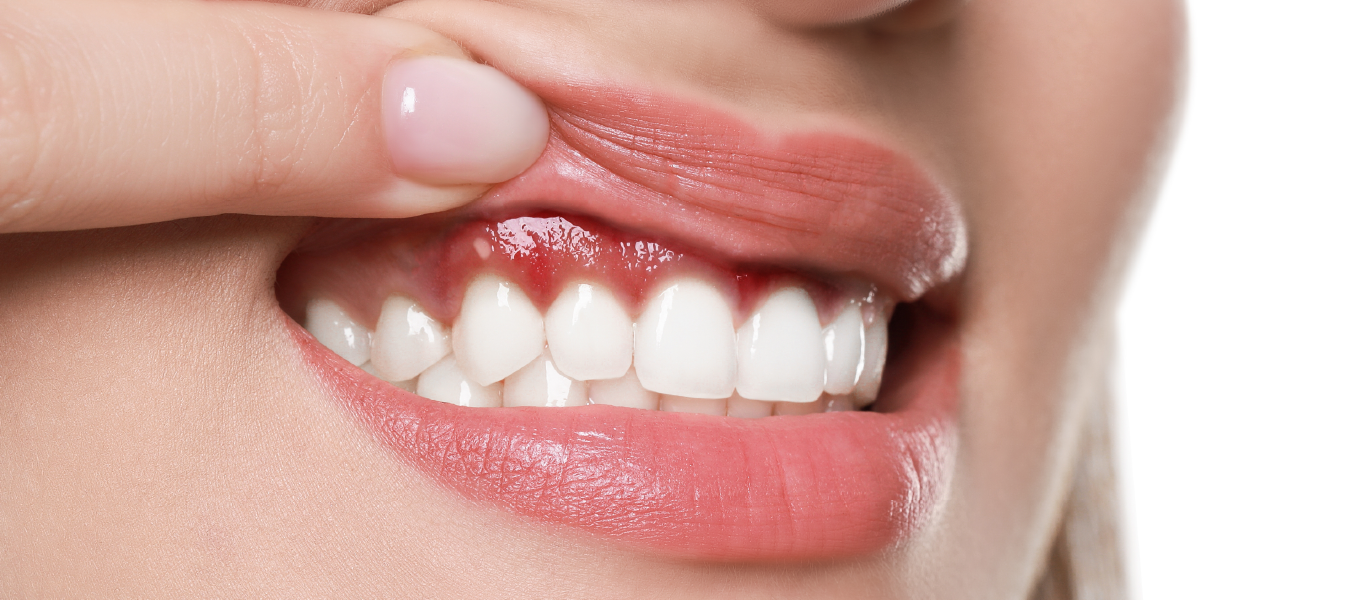
Periodontitis and general health: why inflammation of the gums is not a local problem
Periodontitis and health in general are closely related. Periodontitis is a chronic inflammatory disease associated with cardiovascular risk, diabetes and other systemic conditions.

Periodontitis and Diabetes: learn how oral health can affect blood sugar levels
Periodontitis and diabetes are closely related and oral health goes hand in hand to find the much-desired glycemic control.

When periodontitis increases the risk of stroke
Did you know that periodontitis, a very severe inflammation of the gums, can be directly related to increased risk of stroke or worsening of diagnosed cardiovascular diseases?