

Dental implant lasts forever? Discover the truth and how to care for your smile in autumn of life
Teeth are not dead leaves!
When we think of autumn, we remember the leaves that fall from the trees. But the teeth do not have to follow this fate.
In the mouth, there are persistent teeth that remain firm throughout life, and decayed teeth, which are lost when proper prevention is not available.
With daily oral hygiene habits and regular Oral Hygiene consultations, it is possible (and much more likely) to maintain natural teeth throughout life.
Contents approached
Losing teeth is not inevitable with age
For many years, it was believed that losing teeth was a natural part of old age. But this idea is outdated.
Dental loss occurs, in most cases, by:
- Untreated cavities;
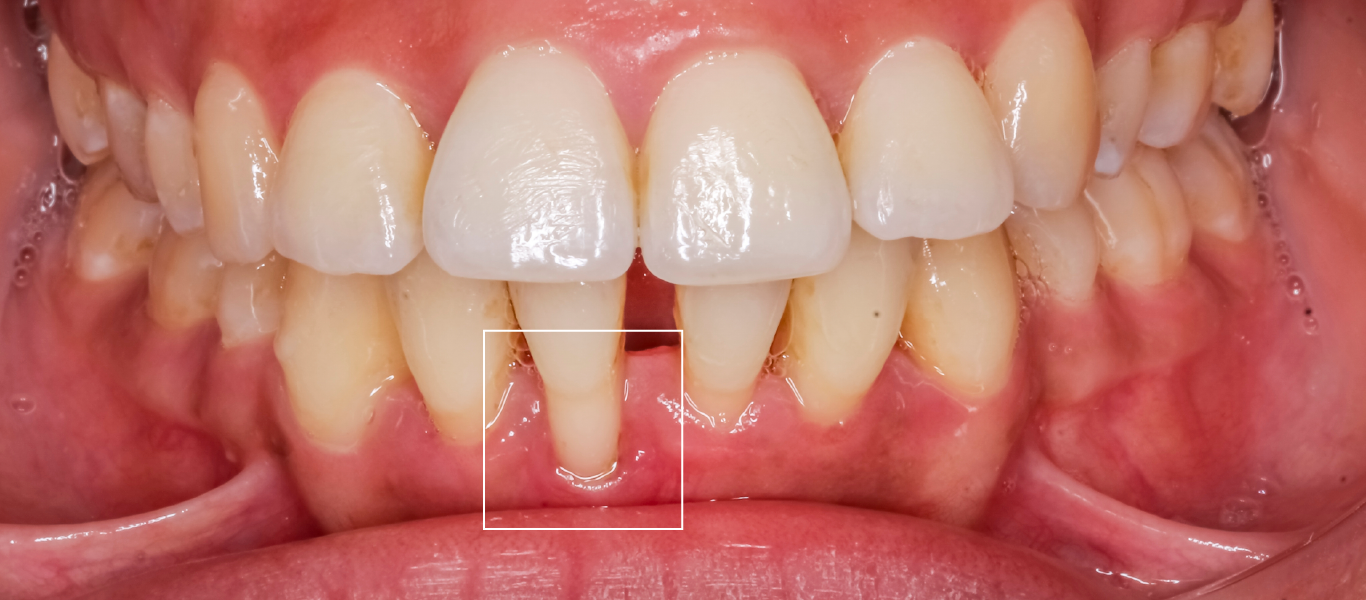
- Unaccompanied periodontal disease (learn more about Periodontology);
- Harmful habits like smoking or gnashing teeth;
- Lack of regular visits to the dentist.
According to the 2023 Oral Health Barometer of the Order of Dentists, almost 70% of Portuguese over 65 years old no longer have enough natural teeth to chew properly.
In the 2024 data, OMD reinforced that 57.1% of Portuguese with natural tooth deficiency do not have adequate replacement.
- This shows that it is not about biology, but rather the absence of preventive culture.
And when the tooth falls out? The role of dental implants
When loss occurs, it is no longer necessary to live resigned. Dental implants are a modern, effective and stable solution.
Unlike removable prostheses, the implant functions as an artificial root, fixed in the bone, which returns not only a smile but also the ability to chew and preserve the jawbone.
This is where the question that many ask arises: does a dental implant last forever?
The answer is: an implant can last as long as a healthy natural tooth.
With proper oral hygiene and regular consultations, studies show success rates exceeding 95% over several years. However, as with teeth, without prevention, implants can fail.
So the correct idea is: an implant can last a lifetime, but it depends on the patient’s care.
Care that makes a difference in implant durability
To ensure the longevity of teeth and implants:
- Brush your teeth at least twice a day with fluoride paste;
- Use dental floss or interdental brushes;
- Schedule regular appointments with the Oral Hygienist;
- Avoid smoking, as tobacco is one of the main risk factors for peri-implantitis;
- Do not delay symptoms such as inflamed gums or pain – the periodontal consultation can save teeth and implants.
Studies cited by the OMD indicate that diseases such as peri-implantitis can arise when there is no follow-up. Prevention is always key.
- Brush your teeth at least twice a day with fluoride paste;
- Use dental floss or interdental brushes;
- Schedule regular appointments with the Oral Hygienist;
- Avoid smoking, as tobacco is one of the main risk factors for peri-implantitis;
- Do not delay symptoms such as inflamed gums or pain: the visit of Periodontology can save teeth and implants.
The smile in the autumn of life: stale or persistent?
As every autumn precedes a spring, the loss of a tooth does not have to be the end, but rather the opportunity to be reborn with a new smile.
Today we know that it is possible to age with persistent teeth if there is prevention. And, when loss occurs, dental implants allow you to regain self-esteem, chewing and well-being.
Because a dental implant can last forever, in the sense that it can accompany the patient for decades if there is daily care and regular visits to the dentist.
In short, the autumn of life does not have to mean loss. Taking care of oral health means being able to smile at all stages of life.
With prevention and follow-up, you can avoid decayed teeth and live with a persistent smile. And, when necessary, dental implants complete the smile safely and durably.
Schedule your assessment appointment now and find out how to keep your smile complete in all seasons of life.
You may be interested in:

Tooth removal included: when should it be treated and which signs should not be ignored
Pain, pressure or inflammation can be signs of a single tooth. Know when even tooth removal is necessary and how oral surgery has evolved in recent years.

Child broke tooth: what to do immediately?
Child left tooth what to do? See how to act in the first minutes, when it is urgent and where to treat in Vila Franca de Xira, just 20m from Lisbon.