Clenched tooth training? What the effort at the gym might be doing to your jaw

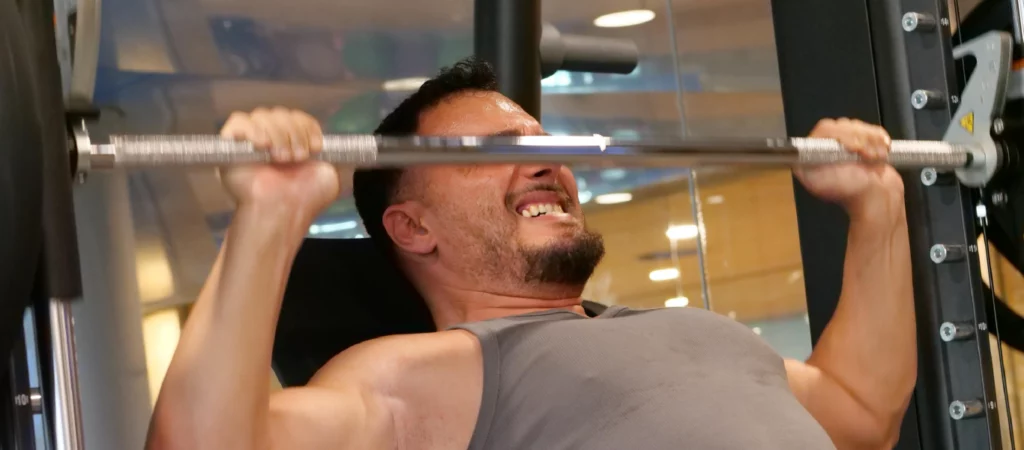
athlete clenching her teeth in the gym

Take a test, right now: where are your teeth? If they are juxtaposed against each other, you’ve got the gist. At rest, the upper and lower teeth should not touch: they are separated by a few millimeters, with the lips together and the tongue resting on the sky of the mouth.

Clenching your teeth in the gym happens without us giving it up, especially in the last repetitions. It’s common and, by itself, is not a disease. What matters is to know when it stops being a reflex and becomes a habit that tires the jaw, causes headaches and in some cases wears out the teeth.


Here is what you know, what you don’t know yet and what you can do in the next session without harming your workout. No alarmism and no miraculous promises.

Contents approached

Clenching teeth in the gym: normal reflex or a habit that charges?

When the body does too much, it recruits muscles to stabilize. The jaw and neck are connected, and it is common for chewing muscles to contract along with the rest, especially with concentration, trapped breathing, or near-limit loads.

In healthy people, this should not be treated as a disease. The international consensus on bruxism describes it as a behavior that can be a risk factor or, in some cases, protective for certain consequences. What counts is the frequency, intensity and what you see later in your mouth and jaw.

What the investigation shows, and what you still don’t know

It is worth being honest: there are few studies, and almost all are small. In a study of CrossFit practitioners, more than half reported clenching their teeth during training and many showed clinical signs such as tooth wear. But no relationship was found between these signals and the intensity of the training, and the study was small and without comparison group.

What can be safely said is that clenching teeth during effort is common among those who train. What we don’t know yet is how much it wears down, and on whom. Therefore, more useful than fear is attention: recognize the habit and realize if it is giving signs.

Quick test: is your jaw paying for the workout?

Answer truthfully. How many of these situations are yours?

  1. Finish the workout, or wake up, with a tired or sore jaw.
  2. Have a pain in your temples or headache after training (see also constant headache).
  3. The teeth are sensitive, with small chips or more worn edges.
  4. He has teeth marks on his tongue or the inside of his cheeks.
  5. He feels a pinching in his jaw or is having trouble opening his mouth wide.

A single, light response may mean nothing. Three or more, repeated, justify an assessment. Is that your case? Book a review and find out what’s going on.

Awake or asleep: two different witchcraft

Wakefulness bruxism occurs when awake: it is repeated or prolonged contact between the teeth, or the “locking” of the jaw, often without happening. Sleep bruxism happens while you sleep. In the gym, the first one appears mainly, but those who train with clenched teeth can also tighten at night.

It is important to distinguish, because the answer is different: daytime habit is worked with attention and training of behavior; nighttime can justify a goiter. Read more about bruxism, symptoms and treatment, and when a sleep soak makes sense.

Jaw-down training strategy

The good news is that the habit is trained. The basic rule: lips together, teeth apart, tongue at rest. Then, take it to the workout.

Before the series: check your jaw and let it go. During exertion: exhale instead of halting. Between series: breathe through your nose, with your tongue resting on the sky of your mouth. And choose a fixed gesture, such as adjusting the load, to remember to check.

If the jaw insists on locking, review the load: when the weight is excessive, the body recruits everything, jaw included. Also notice if the tightness increases in phases of more stress, with little sleep or too much caffeine and stimulating pre-workouts. Bruxism is associated with these factors, and in some people caffeine can increase muscle tension.

Mouthguard, ooze or nothing?

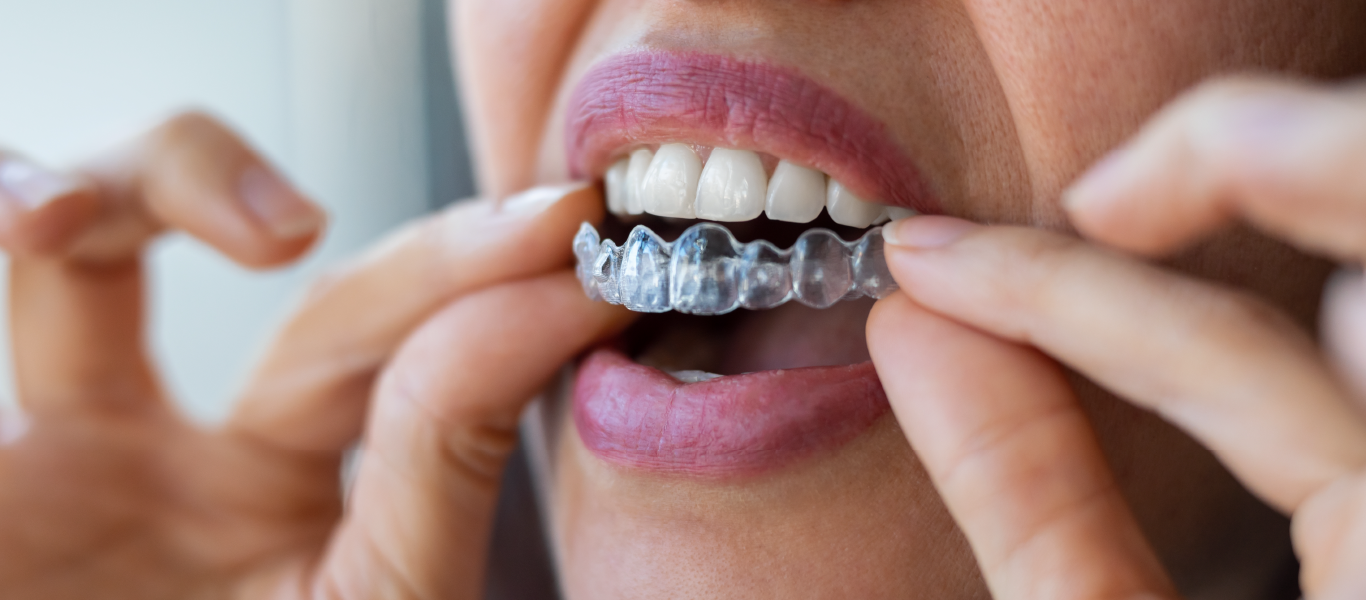
These are answers to different problems. The sports mouthguard protects the teeth in case of impact, for example in contact modes (see article on custom mouthguard). The goiter is a custom-made device for night bruxism. And, for those who lift weights without contact, neither is always needed: the evidence that a brace improves strength or performance is inconsistent.

If you hesitate, don’t buy a generic model waiting for it to solve. An assessment says what, in your case, makes sense: train the habit, watch or protect the teeth.

When the pain is no longer just from training

Marque uma consulta se a dor ou o desconforto são persistentes, se a mandíbula estala ou bloqueia, se tem dificuldade em abrir ou fechar a boca, ou se nota que os dentes estão a desgastar-se.

In the assessment, the dentist looks at the teeth, bite (see our occlusion speciality), muscles and jaw joint, and helps to understand if there is bruxism, whether the pain comes from the muscles or the joint, and what is the next step. In some cases, the answer is habits and relaxation; in others, a leaky water or working together with other professionals.

Frequently asked questions about clenching your teeth while training

Is the pain in the jaw after a workout always bruxism?

No. It can be transient muscle fatigue, a joint problem, or some other cause. If it persists or repeats, it’s worth assessing.

Does clenching teeth increase strength?

The evidence is inconsistent, so there is no reason to practice clenching teeth. Learning to loosen the jaw is a skill one trains.

Do I need to drip if I just clench my teeth in the gym?

Not always. The thrower is mainly made for nocturnal bruxism and does not treat the habit of waking. It’s the assessment that says if it makes sense in your case.

Can I practice with a mouthguard?

In contact modalities, a personalized protector is advisable. In strength training, it depends on the case: ask the dentist for advice before buying.

The smile is also part of the workout plan

If you train frequently and feel your jaw, teeth or head feeling the pain, an assessment separates what is just fatigue from what deserves attention. Tell the doctor in which exercises you open more and how long you have been noticing these signs.

Mark your review at A Clínica Dr. Pedro Mota, in Vila Franca de Xira.

This article is for informational purposes and does not replace an individual clinical evaluation. Studies on training and bruxism are still limited, and the conclusions may change with more research.

Seek expert help

Will be evaluated by the specialist dentist in our clinic. We listen to your needs and plan your treatment according to your wishes. In our clinic, we do not sell treatments, we return smiles.
We plan the smile, clarify your doubts and execute with precision.

have questions? our dentist Dr. Pedro Mota answers

You may be interested in:

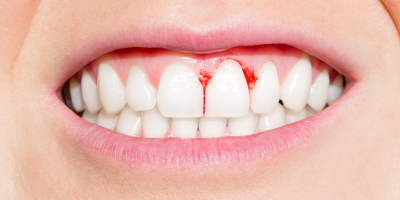
gums bleeding
It’s never normal to bleed your gums!

Bleeding from the gums is one of those situations that, although common, cannot be ignored. Take note that at some point, it may even integrate the batch of periodontal diseases, so it is important to know how to avoid such a fact!

Read More »
Scroll to Top

Book an assessment appointment

Book an assessment appointment

We've contacted

We've contacted

Book an assessment appointment