


Importance of prevention and early diagnosis in oral cancer
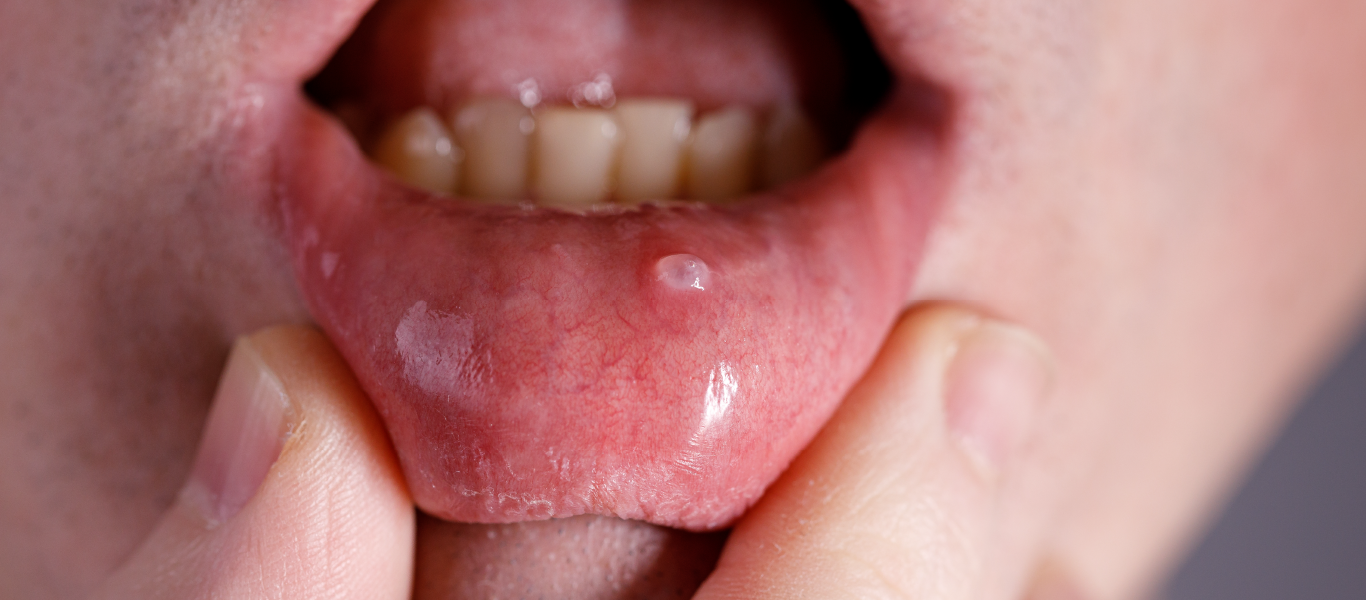
Oral cancer is one of the most common globally and mainly affects men from age 45. According to the Order of Dentists (OMD), head and neck carcinoma is the 6th most common cancer worldwide and accounts for about 2.8% of all cancers.
Speaking specifically of Portugal, we find that it occupies a worrying place in the European statistics, being the second country with the highest incidence of this type of cancer, according to the same source.
With a high mortality rate, often associated with late diagnosis, it is essential to reinforce the importance of prevention and early detection. On the occasion of World Oral Health Day, an initiative of the World Dental Federation, we decided to address this critical issue for public health.
Contents approached
Why does oral cancer have a high mortality rate?
This type of carcinogenic pathology refers to a set of malignant tumors that can arise in any part of the oral cavity, including the lips, gum, tongue, soft palate, and pharynx.
The most common places of development are the floor of the mouth, the lateral edge of the tongue and the soft palate.
Unfortunately, oral cancer is often identified in advanced stages, compromising patient survival rates and leading to a high mortality rate, OMD highlights.
Factors that increase the odds...
Tobacco and alcohol consumption are the main risk factors associated with oral cancer, and the risk increases significantly when both are combined. But there are other factors that we can include such as:
- Age over 45 years;
- To be male (men are three times more likely to develop the disease);
- Unprotected sun exposure, increasing the risk of lip cancer;
- Human papillomavirus (HPV) infection, especially among young adults;
- Overweight and a diet low in essential nutrients.
Awareness of these risk factors is essential for prevention and for a change in behaviors that can reduce the incidence of the disease, as we can warn the publication of OMD: intervention early in oral cancer | Guide for health professionals.
There are silences that speak! Be aware of these warning signs to detect oral cancer early
The first signs of oral cancer can be silent and may go unnoticed. However, as the disease progresses, symptoms of oral cancer may arise such as:
- Wounds in the mouth or throat that do not heal;
- Blood gingival or loose teeth without relative motif;
- Difficulty in chewing, swallowing or moving the tongue and jaw;
- Persistent bad breath;
- Changes in the adaptation of dental prostheses;
- Loss of sensitivity in certain areas of the mouth;
- Uneven-colored spot;
- Appearance of persistent ulcer;
- Lymphadenopathy (swelling of the lymph nodes).
The presence of these symptoms does not necessarily mean the existence of oral cancer, but it is crucial to seek a dentist for a detailed assessment and proper screening.
For the OMD, these are the six signs that it must watch with special attention.
Diagnosis and treatment
Early diagnosis of oral cancer can make all the difference in diagnosing and treating oral cancer.
Regular visits to the dentist can allow for the detection of suspicious injuries before they reach advanced stages. Detailed clinical examinations, bocaspias and in some cases imagiologic examinations are part of the evaluation protocol.
Treatment mainly includes surgery for injury removal, combined with radiotherapy and in some cases chemotherapy.
With everything we’ve said so far, it’s easy to see that the success rate is significantly higher when the disease is detected early.
In addition, it is important to incorporate the most modern methods, such as advanced dental treatment protocols, for the prevention and maintenance of oral health, such as the GBT protocol for which Clínica Dr. Pedro Mota is one of the few certified.
Prevention, prevention and more prevention!
Undoubtedly, the order is prevention of oral cancer, so we leave some essential measures that you can and should take on a daily basis:
- Avoid smoking and alcohol;
- Use lip-protection sunscreen, especially for those who spend a lot of time outdoors;
- Adopt a balanced diet, rich in fruits and vegetables;
- Maintain good oral hygiene, with regular brushing and regular dental appointments;
- Be aware of any changes in your mouth and seek medical advice if necessary.
Please be aware that at A Clínica Dr. Pedro Mota, during the oral hygiene consultation, our oral hygienists do not give up time to track oral and extra-oral lesions that may be manifestations of oral cancer.
Be very attentive to... your mouth!
The message we wanted to reinforce today is that, despite the rate of incidence of oral cancer, early diagnosis and appropriate prevention measures make all the difference.
Regular visits to the dentist, avoiding risk factors and adopting a healthy lifestyle are key steps to curb this disease.
Oral health awareness and education can save lives. Do not devalue and/or ignore small signs.
You may be interested in:
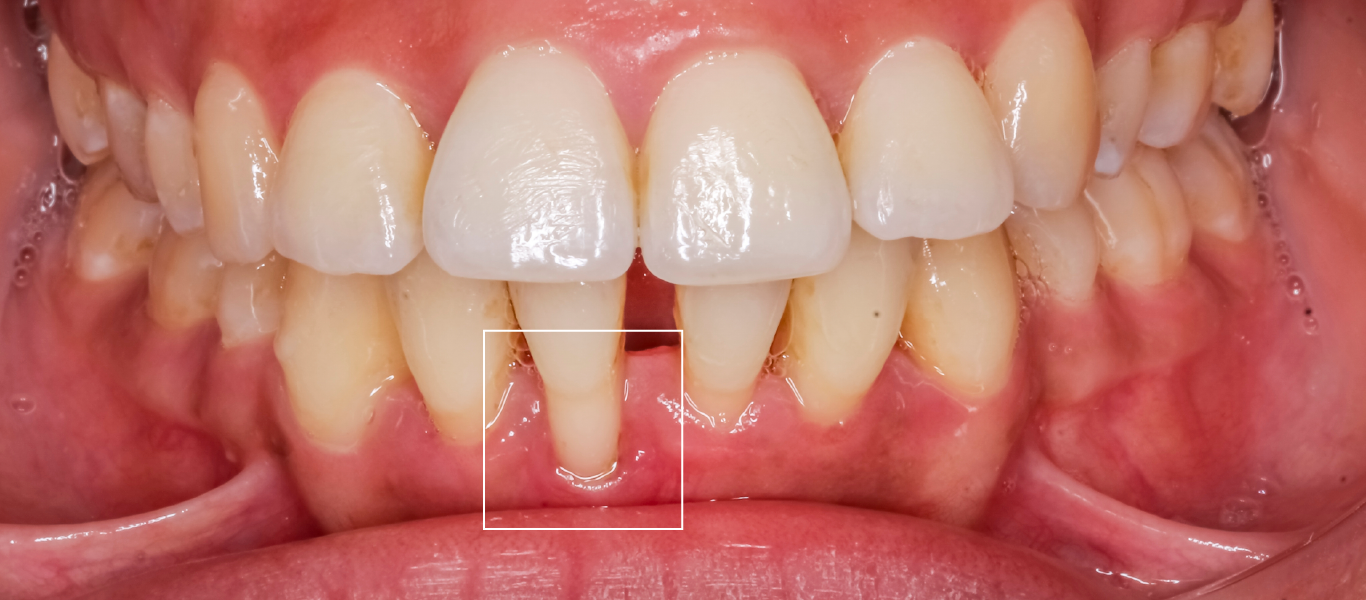
Gingival recession: why does the gum recede and when should it worry?
The gum receded and the tooth looks bigger? Know what the signs and possible causes of gingival recession are, when to seek evaluation and how it can be treated.

Back to workouts? A personalized mouthguard protects more than just your smile
Doing sports at risk of impact? Learn how a personalized mouthguard helps protect teeth, gums and oral tissues.