

Sensitive teeth to ice cream: when should you worry?
There are people who eat ice cream and feel only freshness. Others feel a quick, sharp pain, almost like a blow to a tooth. Are you one of those whose teeth are sensitive to ice cream? You should therefore continue reading this article.
If this happens to you, you probably thought that you have sensitive teeth. But the most important question is not just that. The question you should ask is: why do your teeth react so cold?
If ice cream causes tooth pain, this sensitivity, although relatively common, should not be ignored when it is frequent, intense, localized on a single tooth or persistent. Ice cream may not be the problem. It might just be the clearest sign that something needs attention…
Contents approached
Ice cream is not the problem. It’s the test.
Ice cream is cold, sweet and often consumed slowly, mainly in the middle of summer. For healthy and protected teeth, this may not cause any inconvenience.
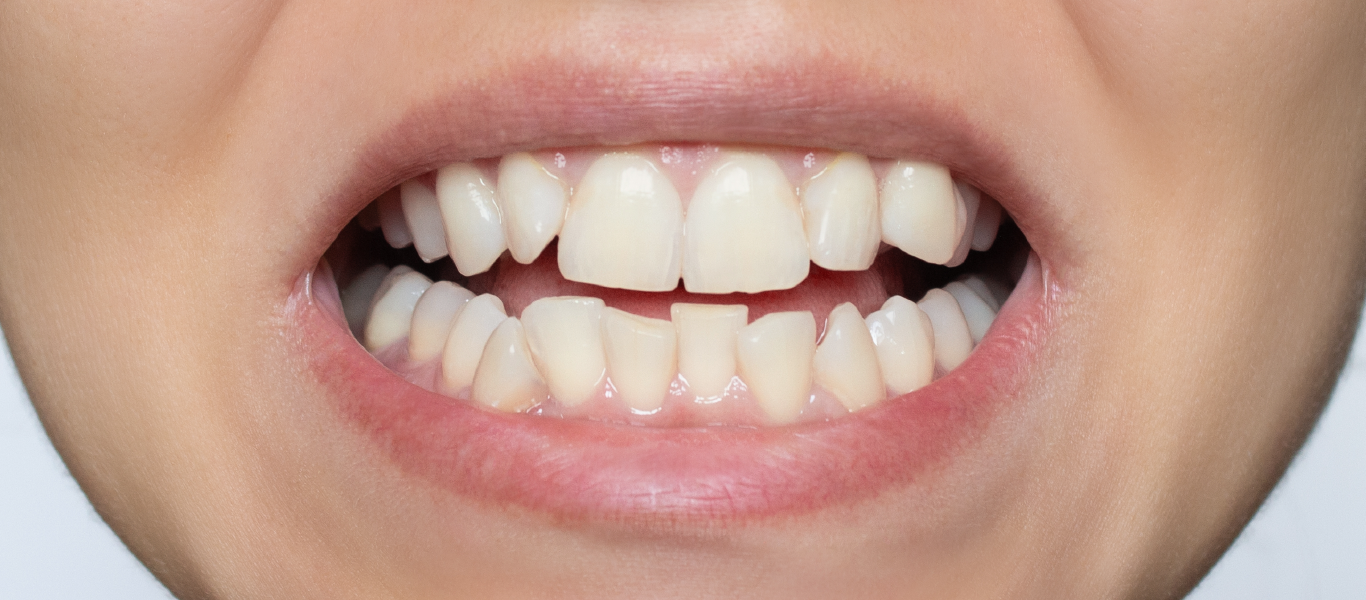
However, when there is enamel wear, gingival recession, exposed dentin, cavities, fissure or a compromised restoration, the cold can trigger pain.
As we have already explained here, dentin exposure can allow stimuli such as cold, heat, sweets or acidic foods to cause short and acute pain.
In this article, we seek to clarify something more profound: understanding when the pain of eating ice cream may only be dental sensitivity and when it may indicate another problem that should be evaluated.
Why do my teeth hurt from the cold?
Sensitivity to cold can occur when the protective layer of the tooth is diminished or when the root becomes more exposed due to receding gums.
The Ordre des Médecins Dentistes (OMD) states that dentine “is a less hard tissue than enamel, and therefore more easily dissolved by the acids produced by bacteria”.
Having said that, it is a more internal area of the tooth, with small canals that communicate with more sensitive structures. When these channels are exposed, cold stimuli can cause discomfort or pain.
But not all cold pain has the same origin. In some cases, it is associated with enamel wear or excessive brushing. In others, it may be related to cavities, fissures, old restorations, bruxism, gum disease or internal inflammation of the tooth.
Therefore, tooth sensitivity must be interpreted in the right context. It is not enough to know that it hurts. You need to understand where it hurts, when it hurts, how long it lasts and if it is getting worse.
When can it be just tooth sensitivity?
Rapid, mild and transient pain from contact with something very cold may be associated with tooth sensitivity.
This can happen, for example, when there is enamel wear, exposure of root zones or habits that make the teeth more reactive. In these cases, the discomfort is often brief and tends to disappear shortly after removing the cold stimulus.
Still, “being ordinary” does not mean that it should be normalized! If sensitivity leads you to avoid ice cream, cold drinks or certain foods, it is worth noticing the origin.
The cure of the problem can involve adjusting the brushing technique, using a softer brush, reducing frequent exposure to acidic food and drinks, applying specific products in clinic or using appropriate toothpaste, always according to professional evaluation.
When should you make an appointment?
There are signs that deserve attention.
If the pain always appears on the same tooth, if it is severe, if it lasts several seconds or minutes after contact with the cold, if it arises without eating or drinking, or if it is accompanied by pain while chewing, swelling, gingival bleeding, bad taste or a feeling of pressure, it should be evaluated.
In these cases, it may not just be tooth sensitivity. There may be a cavity, fissure, infiltrated restoration, inflammation of the tooth nerve or other problem that needs diagnosis.
You should also seek evaluation from a dentist if sensitivity is worsening over time or started after a trauma, recent dental treatment, or gum change.
- The rule is simple: if it is occasional and mild, it may be just a signal to watch. If it is repeated, localized, intense, or persistent, it must be observed.
Does sensitive toothpaste resolve pain when eating ice cream, or tooth sensitivity to cold?
May help in some cases, especially when sensitivity is related to exposed dentin. But it should not be seen as a universal solution.
If the cause is a cavity, fissure, old restoration, gum change or internal inflammation, the paste may temporarily relieve but does not resolve the source of the problem.
This is why using a toothpaste for sensitive teeth without realizing the cause can delay diagnosis.
The priority should be to identify the cause of pain.
What can you do to protect your teeth?
Some care can help reduce sensitivity and protect the enamel, such as:
Good brushing does not depend on strength but on technique. A soft toothbrush, controlled movements and guidance from the dentist or oral hygienist can make a difference.
The problem is not just occasional consumption, but repeated exposure throughout the day.
Bruxism can contribute to tooth wear, cracks and increased sensitivity.
If you feel pain with ice cream, cold drinks, or sweet food, don’t ignore the pattern. The discomfort may be trying to tell you something.
The cold passes. The cause may stay.
But attention! Having ice-cream sensitive teeth does not automatically mean that there is a serious problem. Porém também não deve ser tratado como algo sem importância.
The ice cream only reveals the reaction. The cause may be enamel, gum, restoration, a cavity, a fissure or the way your teeth are being worn.
In A Clínica Dr. Pedro Mota, we assess the origin of tooth sensitivity to understand if it is a simple situation to control or if there is another problem that needs to be treated.
If you feel pain or discomfort whenever you eat ice cream or drink something cold, you should make an appointment because of sensitive teeth.
You don’t have to stop liking ice cream. You need to figure out why your teeth stopped liking them.😉
Is any of these your question about sensitive teeth for ice cream?
Toothache from ice cream can be associated with tooth sensitivity, enamel wear, gum recession, exposed dentin, cavities, fissure, or impaired restoration.
No. Cold sensitivity can have several causes. However, if it is localized, intense, persistent or worsening, it should be evaluated by a dentist.
It may help in some cases, but does not replace diagnosis. If there is caries, fissure, infiltrated restoration or inflammation, it is necessary to assess the cause.
You should make an appointment if the pain is frequent, intense, lasts after contact with cold, always arises in the same tooth or comes accompanied by pain when chewing, swelling, bleeding or bad taste.
You may be interested in:

Tooth removal included: when should it be treated and which signs should not be ignored
Pain, pressure or inflammation can be signs of a single tooth. Know when even tooth removal is necessary and how oral surgery has evolved in recent years.

Child broke tooth: what to do immediately?
Child left tooth what to do? See how to act in the first minutes, when it is urgent and where to treat in Vila Franca de Xira, just 20m from Lisbon.

Weak teeth after pregnancy: what is really happening
Weak teeth after pregnancy are not the real problem. Find out what is behind symptoms and how to protect your oral health at this stage.

Going to the dentist only when it hurts can be costing you a lot more than you realize
26% of Portuguese people still insist on going to the dentist only when it hurts, in urgency. Learn how postponing can increase costs and lead to tooth loss.