


Care for oral hygiene in children
Back to class without bacteria in the backpack

The return to school is a time of great enthusiasm for children – new notebooks, reunion with friends and new learning – and, at the same time, great fatigue and worries for parents. But, among so much racket, of children and adults, there is one detail that cannot be forgotten: oral hygiene in children.
Making sure your child comes back to school with clean and healthy teeth is just as important as organizing the backpack or choosing the snack!
We can go further and say that there is even a relationship between them. In this blog article you will learn what you can do for the sake of oral hygiene in children.
Contents approached
Bacteria playing hide and seek in the lunchbox?
Stop playing through healthy school snacks
Bacteria love to play hide-and-seek. Where do they hide? Inside the lunchbox! They are in the sugar of the cakes, in the colorful and very sweet juices and even in chocolate milk. The problem is that when they are not “caught,” they win the game and turn into cavities and other oral health problems.
We know that children’s oral health starts at the lunchbox and from doing what are called smart exchanges. Your child’s dental health thanks: replacing the cake or croissant with a cheese sandwich is a much healthier option for teeth.
The same applies to beverages: a glass of white milk is preferable to chocolate milk, and water should always be the main choice, rather than industrialized juices. These small exchanges reduce sugar intake and help prevent the dreaded cavities.
5 reasons to worry about children’s snacks
School is the privileged environment for health promotion, that is, it is necessary to promote school contexts favorable to adopting healthier lifestyles.
In this sense, it is a priority for the Directorate-General of Health that leaves some important tips that we will list below.
- About 25% of the daily energy intake of children and young people comes from snacks.
- Food products with low nutritional value are usually consumed at lunch.
- Healthy eating has an important role in cognitive development and school performance.
- Incentives to consume foods with low nutritional value exist around schools and advertising these foods is more frequent than health food advertising.
- Preparing a healthy and appealing snack for children and young people compared to the food supply they are exposed to is a major challenge for many parents.
Essential foods to include in the lunchbox
- Milk and dairy products
- Fruit
- Cereals and derivatives
- Vegetables (e.g. lettuce in sandwiches)
- Fatty and oleaginous fruits (dried fruits that can be used in the form of paste on bread)
- Beans
- Water
Complete the checklist to ensure you provide your child with a healthy snack:
- Does it include vegetables (tomato, lettuce, carrot, red cabbage,…) in the afternoon snacks?
- Do you offer a variety of seasonal fruit for snacks?
- Throughout the week, fruit and vegetables vary
- Does it include fatty fruits and oilseeds (nuts, almonds,…) in the snacks?
- Do you opt for mix bread?
- Do you include unsweetened dairy products in your snacks?
- Do you favor water as your drink of choice?
- Does not include sugary drinks such as fruit juices, nectars or soft drinks?
- Read food labels before buying?
If the snacks you prepare still do not meet the requirements for a healthy snack, take advantage of the new school year to implement changes.
Put oral hygiene on the list of daily mandatory tasks
To maintain a healthy mouth, the rule is simple: brush your teeth at least twice a day, morning and evening. But here there is an important detail, up to a certain age, children do not have enough dexterity to properly clean all dental surfaces.
Therefore, it is up to parents to brush their children’s teeth at night, or at least finish that task, ensuring all areas are clean.
This care makes all the difference in preventing oral diseases. Here are some tips to avoid goose pimples and make toothbrushing a fun task.
However, don’t forget to turn off the tap! 😉
Regular follow-up consultations safeguard oral hygiene in children
Brushing and good habits at home are key, but they are no substitute for a visit to the dentist.
Regular oral hygiene and pediatric dentistry consultations allow to monitor the development of dentition, apply sealants when necessary, and identify any problem early, as advised by the Order of Dentists.
Ideally, these consultations should occur every six months, adjusted to the needs of each child.
- Golden rule: educate and encourage also outside the home
School is a space where habits also consolidate. Encouraging children to share with peers the importance of avoiding overindulging in sweets, reserving them only for parties or special occasions, is a way to reinforce health education.
When the little ones learn to say “no” to treats in everyday life and still manage to motivate friends, the positive impact multiplies.
Preparing for the new school year in the best way
Thus, a healthy return to school does not depend only on books and the new backpack, but also on good eating habits, brushing and regular child oral hygiene appointments.
By betting on a routine of oral hygiene in children, you are ensuring a confident and protected smile against the bacteria that so often “hide” in the lunchbox.
Children and adults are starting to plan the 2025/26 school year. How about starting with a visit to the dentist? Schedule an appointment for your student now.
You may be interested in:
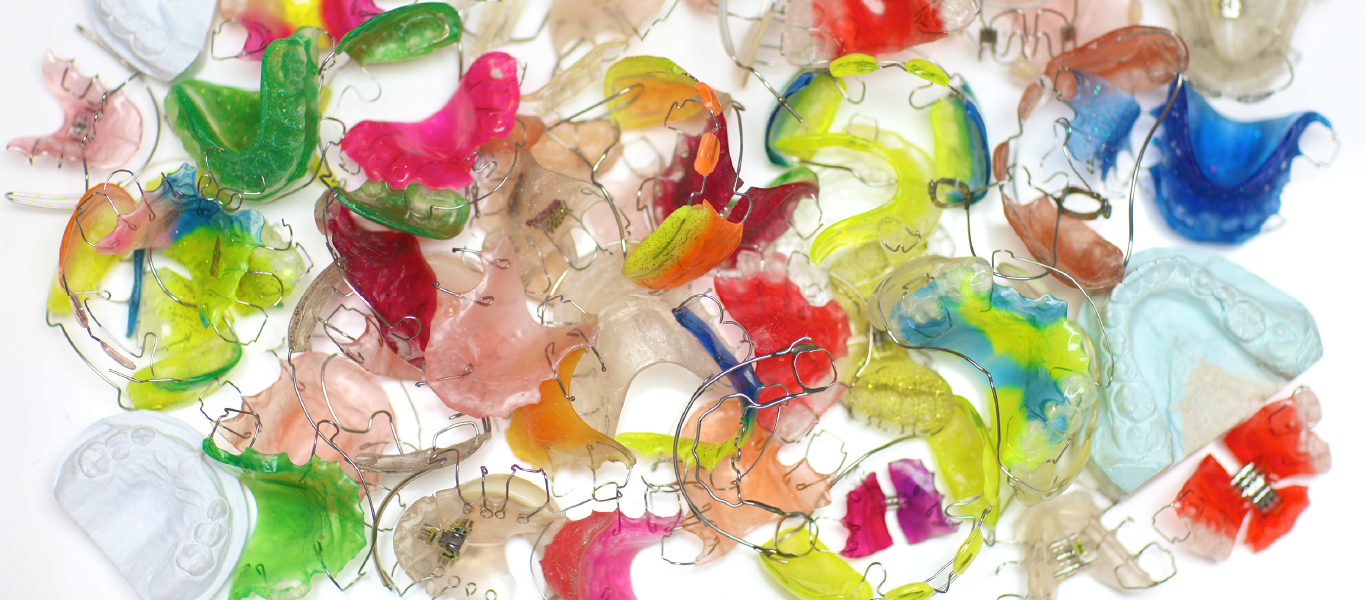
Child braces: waiting can make treatment more difficult
In children, there are small signs that may indicate changes in oral development, and there is a need for pediatric orthodontic devices. Get to know them.

Going to the dentist only when it hurts can be costing you a lot more than you realize
26% of Portuguese people still insist on going to the dentist only when it hurts, in urgency. Learn how postponing can increase costs and lead to tooth loss.