
Oral health in Down syndrome: why prevention should start early
In Down syndrome, gum problems can arise earlier and progress faster than many families imagine.
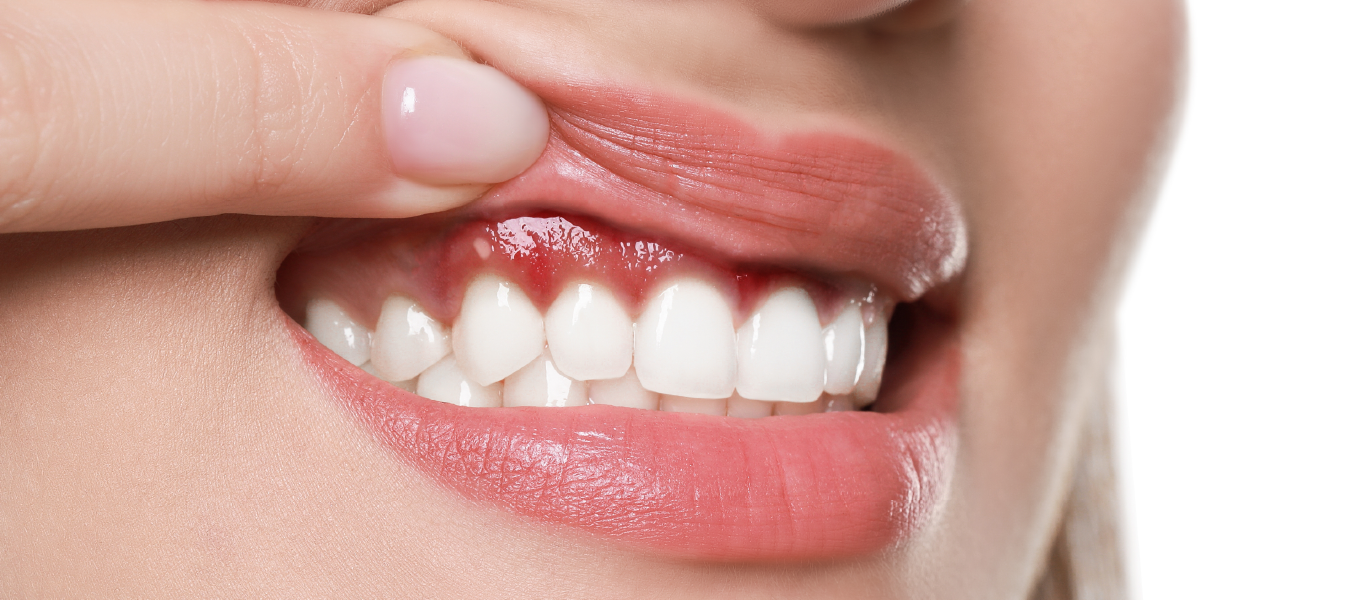
Not always the first sign is pain. Often starts with swollen gums, bleeding when brushing or difficulty maintaining effective hygiene in everyday life.
What few know is that there is an early periodontal risk associated with this condition. And when there is no proper follow-up, this risk can translate into something more serious: tooth loss at a young age.
Some oral features are more frequent in Down syndrome, such as macroglossia (relatively larger tongue), changes in tooth position and increased plaque retention. These factors hinder effective hygiene and contribute to persistent gingival inflammation.
From the little we have seen, we realize that the key to oral health in Down syndrome is prevention, not optional or delayed. It has to be thought out early.
Contents approached
Why there is a higher risk in oral health in Down syndrome
- It’s not just about brushing better or worse.
People with Down syndrome have immune changes and a more intense inflammatory response to bacteria. This means that small amounts of plaque can trigger more aggressive inflammation of the gum tissues.
In practice, there is a greater tendency to destroy the supporting tissues of teeth.
This is why periodontitis in Down syndrome is not only more frequent, but can also appear earlier and progress faster than in the general population.
What can happen without follow-up
When there is no regular surveillance, initial signs tend to be ignored or undervalued.
The most common include:
- red or swollen gums
- frequent bleeding
- persistent bad breath
- receding gums
At a later stage, tooth mobility may arise. The problem is that this evolution can be silent for a long time. And when it becomes evident, there is already loss of bone support.
Therefore, without prevention, there is a real risk of early tooth loss.
It is not inevitable. But it is frequent when there is no structured follow-up.
What really helps to prevent
Prevention does not depend on a single measure. It depends on consistency. In practice, what makes a difference is:
- Daily oral hygiene adapted to the person
- Brushing at least twice a day
- Supervision or support from a carer when necessary
- Use of proper brushes and simple techniques
Manual dexterity and difficulty maintaining a consistent routine can make oral hygiene less effective without support.
As for these small daily care, they have a direct impact on the reduction of gingival inflammation.
How dental care makes all the difference
There is a common mistake in oral health in general, but in Down syndrome in particular: waiting for obvious signs to seek help.
The after may be late. Dental follow-up in Down syndrome should be regular and adjusted to individual risk. In many cases, it involves more frequent consultations than usual.
The oral hygiene consultation in A Clínica allows not only to control inflammation, but also to adapt techniques, guide caregivers and adjust the care plan over time.
With our oral hygiene consultations, plaque and tartar are removed effectively; we monitor gum health; and we identify changes early on.
In other words, more important than treating the problem is preventing it from progressing.
The facilities of A Clínica and our team, with proven experience in treatments for people with special needs, make a difference in treatment and long-term results.
Frequently asked questions about oral health in Down syndrome
Yes. People with Down syndrome have a higher risk of developing gum inflammation and early periodontitis due to immune changes and increased accumulation of plaque.
No. Gingival bleeding is a sign of inflammation and should be assessed. Ignoring this symptom may allow periodontal disease to progress.
In many cases, dental follow-up is recommended every 3 to 4 months, adjusted for individual risk, to prevent and control gum problems.
Yes. Oral hygiene in patients with Down syndrome is adequate, regularly followed and with early intervention, allows to significantly reduce the risk of periodontitis and avoid tooth loss.
Living with Down Syndrome means needing constant care and attention
Oral health in Down syndrome requires early attention, continuous follow-up and an approach adapted to each person’s reality. The risk of early periodontitis is higher but not inevitable.
With prevention, routine and proper follow-up, it is possible to avoid complications, preserve the teeth and ensure more comfort and quality of life over time.
Ignoring the first signs or postponing care does not simplify the problem. It only makes it more difficult in the future.
So, schedule an assessment consultation in A Clínica for someone who is dear to you and has to live with Down syndrome daily. Care is love!
You may be interested in:

Periodontitis and general health: why inflammation of the gums is not a local problem
Periodontitis and health in general are closely related. Periodontitis is a chronic inflammatory disease associated with cardiovascular risk, diabetes and other systemic conditions.

Periodontitis and Diabetes: learn how oral health can affect blood sugar levels
Periodontitis and diabetes are closely related and oral health goes hand in hand to find the much-desired glycemic control.

When periodontitis increases the risk of stroke
Did you know that periodontitis, a very severe inflammation of the gums, can be directly related to increased risk of stroke or worsening of diagnosed cardiovascular diseases?