

Menopause and oral health: the impact of hormonal changes on gums and teeth

menopause and oral health

Oral health is not static throughout a woman’s life. It is in this way that hormonal variations influence the response of gingival tissues, salivary composition and oral microbiome balance, there being a relationship between menopause and oral health.

This is because, during menopause, the decrease in estrogen levels causes known systemic changes such as bone, cardiovascular and metabolic alterations. What is less discussed is the direct impact of these changes on the oral cavity.

If you are a woman and in menopause or perimenopause, ignoring this relationship is not understanding a clinical axis of great relevance for your overall well-being.

Contents approached

The role of estrogens in gum stability

Estrogens play an essential regulatory role in maintaining the homeostasis of periodontal tissues. They are involved in gum vascularization, modulation of inflammatory response and connective tissue integrity.

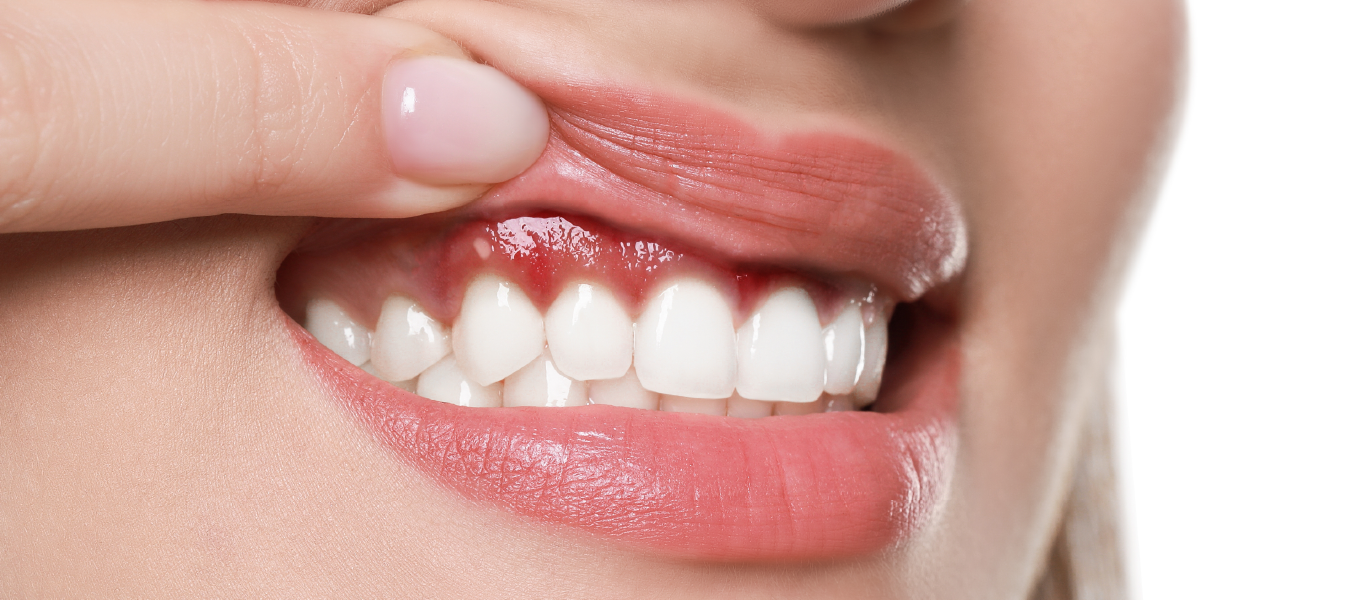
With its reduction, there is a greater inflammatory reactivity against the bacterial plaque. This means that stimuli that were previously well tolerated can trigger more intense inflammation. In clinical practice, it results in a higher prevalence of gingivitis, with signs such as erythema, edema and gingival bleeding.

Inflamed gums in menopause: boundaries between adaptation and pathology

Some degree of gingival sensitivity may occur during menopause. Thus, there are signs that should not be considered normal and that warrant immediate clinical evaluation:

  • Recurrent gingival bleeding during brushing

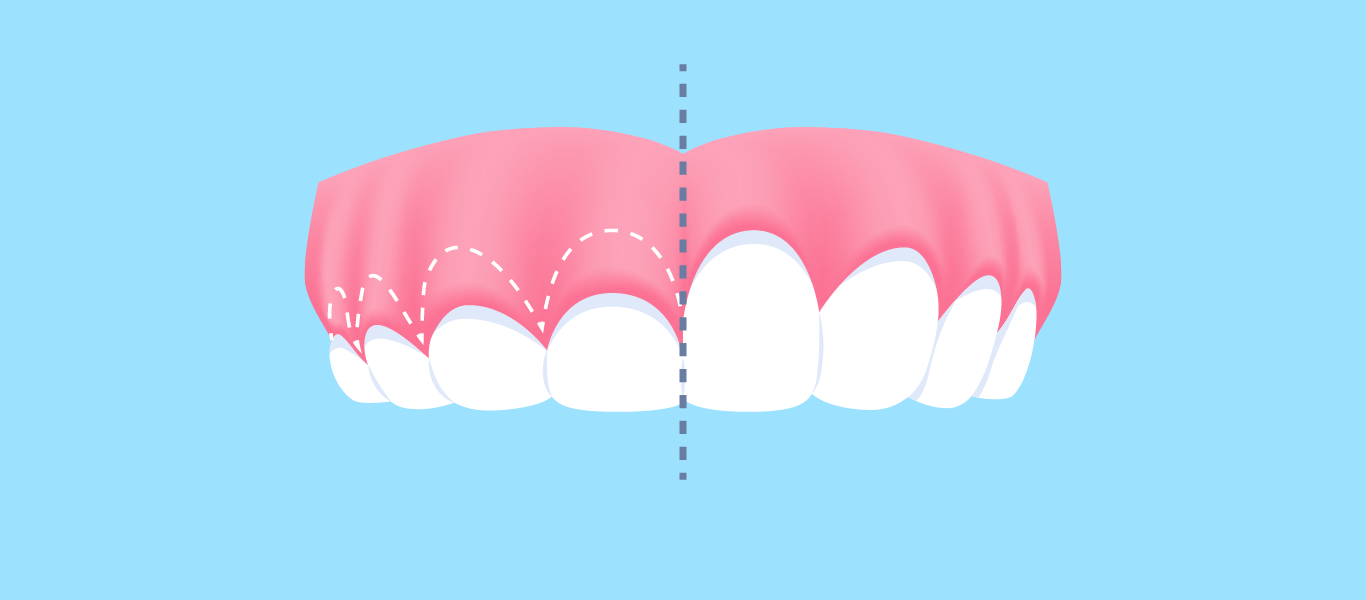
  • Progressive gingival retraction

  • Sense of dental mobility

  • Persistent inflammation or sudden worsening

These signs may indicate progression to periodontitis, a chronic inflammatory condition that compromises dental support tissues and can lead to tooth loss if not treated promptly.

Dry mouth in menopause: functional and clinical impact

Xerostomia is one of the most frequent complaints at this stage and has significant clinical implications. Saliva performs essential protective functions: it neutralizes acids, regulates the oral microbiome, facilitates functions such as chewing and swallowing, and contributes to tooth remineralization.

The reduction of salivary flow is associated with:

  • Increased risk of cavities, especially cervical

  • Increased tooth sensitivity

  • Persistent halitosis

  • Functional discomfort when speaking or swallowing

Dry mouth in menopause should not be devalued or attributed exclusively to natural aging. May require a specific therapeutic approach and regular clinical monitoring.

Menopause, bone density and periodontal risk

Decreased estrogen is associated with loss of bone mineral density. Although the mechanisms of osteoporosis and alveolar bone loss are not entirely coincident, there is consistent evidence of a correlation between the two.

In women with additional risk factors such as smoking, diabetes or a history of periodontal disease, the risk of periodontal bone destruction is higher. This loss compromises not only aesthetics, but above all dental stability and function.

Oral microbiome changes and hormonal changes

In fact, changes in oral microbiome composition are associated with hormonal changes. A microbiological imbalance can favor the proliferation of periodontopatogenic bacteria, potentiating chronic inflammatory processes.

This factor reinforces the need for a personalized preventive approach, based on individual risk and not just generalist protocols, as hormonal changes have an impact on the gums.

Preventive strategy: menopause and oral health

Prevention at this stage should be structured, judicious, and adjusted to the patient’s clinical profile. An effective approach may include:

Keep this in mind: personalization is key. Age is not an isolated factor of disease, but requires more rigorous clinical surveillance.

Early diagnosis: critical prognostic factor

Periodontal disease often has silent progression in the early stages. Many patients seek care only when the signs are already evident and tissue destruction significant.

Early diagnosis allows:

  • Manage inflammation conservatively

  • Preserve bone and gum structure

  • Avoid complex or invasive treatments

  • Maintain the masticatory function and quality of life

In a clinical setting, anticipation is always preferable and more effective than late intervention or reactive intervention.

Menopause: the phase of change and self-care

Menopause is a physiological phase of great changes in which it is necessary to reconnect with your body.

This phase also has a real impact on oral health, mediated by hormonal changes with relevant local expression. Inflamed gums, dry mouth and increased periodontal risk should not be normalized or downgraded.

An informed, preventive and personalized clinical approach allows maintaining oral stability, reducing disease risk and preserving function and aesthetics in the long term.

Schedule your assessment consultation in the clinic to face this phase with stability and security!

You may be interested in:

Scroll to Top

Marcar consulta de avaliação

Marcar consulta de avaliação

Nós contactamos!