
Essential aspects to perform a orthodontic treatment with invisible aligners
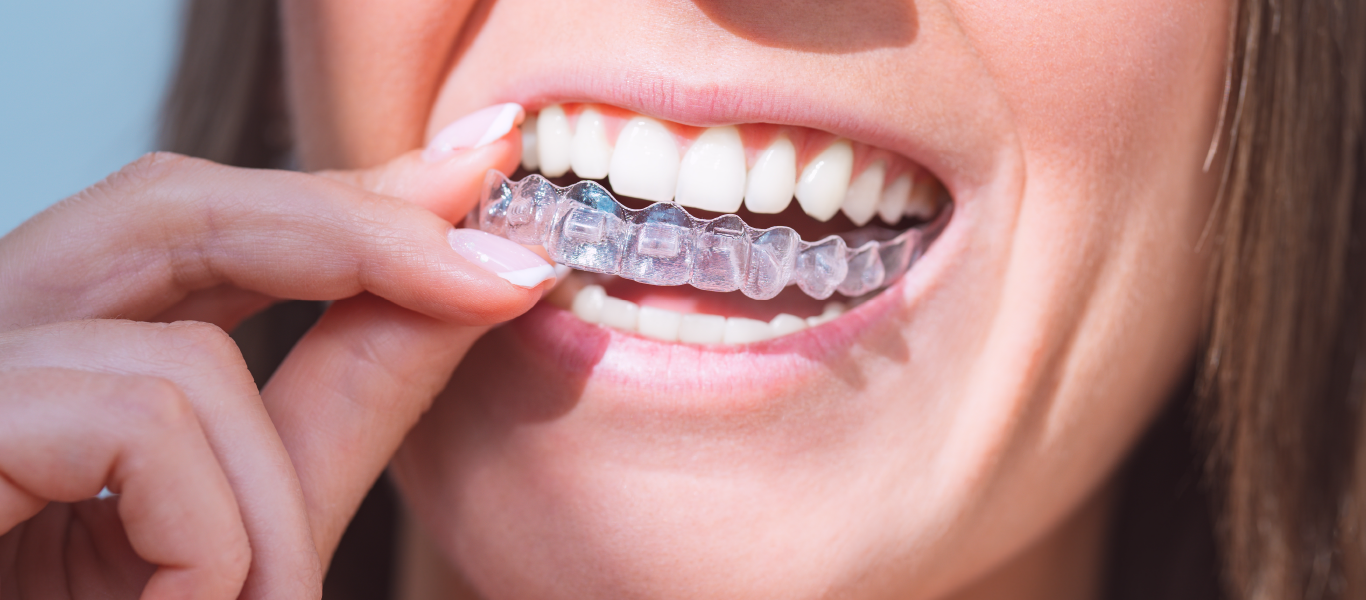
For a long time, an aligned and harmonious smile has ceased to be only an aesthetic concern. Orthodontic treatment with invisible aligners has revolutionized orthodontics, as it is an invisible, discreet and comfortable alternative to traditional braces.
With this article, we want to warn you from the outset that this is a procedure that requires supervision by a dentist. In a scenario of increasing demand for invisible aligners, dentistry is calling for greater regulation, for the reasons we mentioned earlier, to prevent patients from being exposed to risks and insecurity.
Contents approached
Who can use invisible aligners?
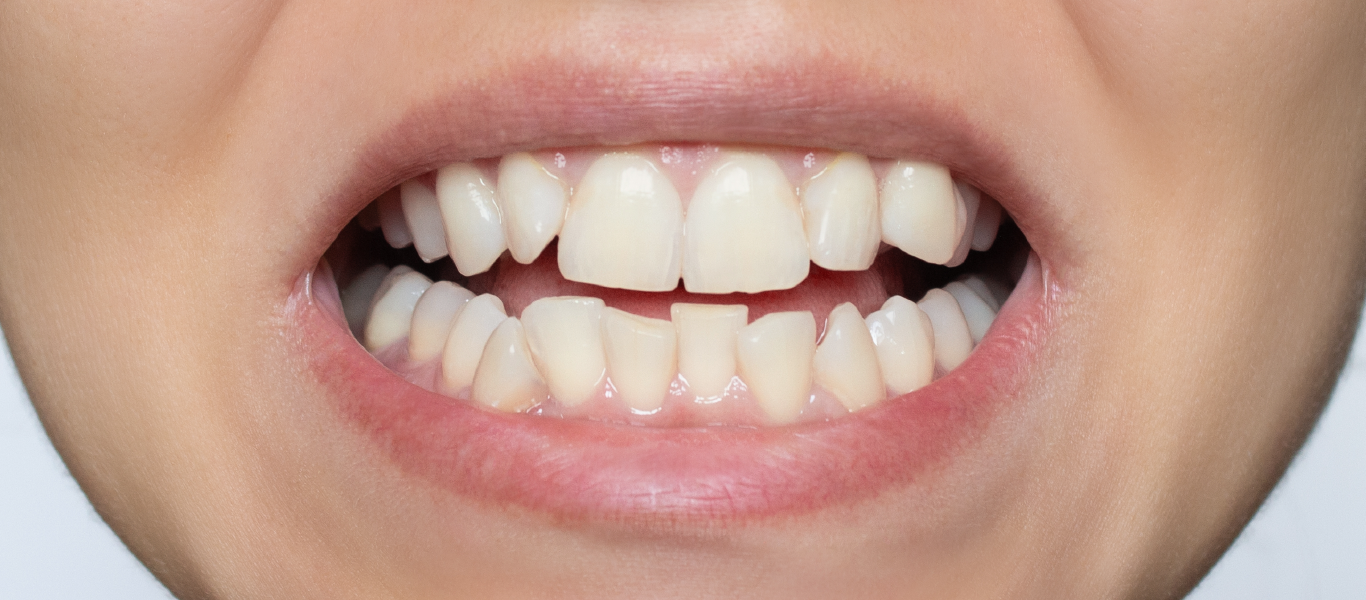
There are some cases in which the use of invisible aligners is indicated for the correction of various orthodontic problems, such as crooked, misaligned or crowded teeth, compromised bite (crossbite, open bite or overbite), diastemas – the spacing between the teeth; or small corrections, as a complement to previous orthodontic treatments.
However, not all cases can be solved with invisible aligners. In more complex problems, such as malocclusions, the use of these devices does not present itself as the ideal treatment.
Lack of regulation of dental aligners, represents a serious risk
As the demand for invisible tooth aligners grows, there is a greater need for regulation because patients are often preempting the help of dentists and purchasing aligners online without knowing the danger that this poses.
Warns the Order of Dentists (OMD) that a lack of proper medical follow-up and planning can cause*:
- Incorrect dental movements, which will lead to unwanted misalignments;
- Root resorption (loss of dental structure);
- Problems in the temporomandibular joint, causing chronic pain and difficulties in chewing.
Therefore, only qualified professionals should prescribe and supervise this type of treatment, ensuring safety and effective outcomes for patients.
The truth is that with the boom of social media, DIY (“Do It Yourself”) methods for straightening teeth at home, without professional supervision, began to emerge, but it’s clear that these methods are extremely dangerous and can cause irreversible damage to oral health. It’s best not to take chances, advises the Portuguese Dental Association (OMD).
But how do invisible aligners work?
At A Clínica Dr. Pedro Mota, treatment with invisible aligners is based on advanced technology and rigorous planning during all phases of the process.
There are 4 steps to be taken for this orthodontic treatment:
-
1. Initial assessment
The orthodontist uses 3D scanners to create a digital model for the teeth and define a personalized treatment plan. -
2. Production of aligners
Each set of aligners is manufactured to apply specific forces and move teeth gradually. -
3. Periodic exchange
Usually, the aligners are replaced every 1-2 weeks, gradually adjusting to the desired alignment. -
4. Regular monitoring
Through regular consultations that ensure the treatment is progressing as expected.
In addition, in A Clínica there is ease of payment and financing and therefore you do not have to postpone your smile any longer.
There is always a before and after orthodontic treatment with invisible aligners
The experience with an invisible aligner treatment improves patients’ quality of life and early results may start to be seen within a few weeks.
However, as always there is an “s” to know if the treatment works. Orthodontic treatment must be prescribed and guided by an orthodontist, and for it to be effective it is essential to follow recommendations such as:
- Use the aligners at least 20 to 22 hours per day;
- Change the aligners as indicated by the expert;
- Maintain good oral hygiene to prevent cavities and gum inflammation during the process.
Depending on the case, on average, treatments range from 6 to 18 months.
You may be interested in:

Menopause and Oral Health: the impact of hormonal changes on gums and teeth
Menopause can increase the risk of gum inflammation, dry mouth and periodontal disease. Discover, then, how menopause and oral health relate.

Periodontitis and general health: why inflammation of the gums is not a local problem
Periodontitis and health in general are closely related. Periodontitis is a chronic inflammatory disease associated with cardiovascular risk, diabetes and other systemic conditions.