


The oral health of athletes also plays and can be decisive in performance!

In professional or amateur sports, every detail counts. One second more, one centimeter less, a slight distraction, all can make the difference between winning or failing goals, and even simply losing the pleasure of personal improvement.
In the midst of so much concern with training, nutrition, rest and injuries, there is one factor that tends to be ignored: the oral health of athletes.
We all remember the sailor with the absurdly muscular forearms who would open a can of spinach with a single blow and, in seconds, become a superhero from the seven seas. I am strong to the end because I eat spinach!’ said Popeye, while saving the day (and Olivia) once again.
But… what if we told you that, for athletes, strength comes not only from spinach, but also from the teeth that chew on them?
Does it sound strange? It will look less when you read the rest.
Contents approached
From fiction to reality: the mouth also trains
Dental problems are not something advisory or just a local discomfort, as they can compromise physical performance, cause muscle injuries and affect the athlete’s recovery.
Whether in a young person who plays football on weekends, or in a professional high competition, the mouth has a central role.
Recent studies show worrying numbers!
- Between 20% and 84% of athletes have cavities;
- Gingivitis affects up to 77% of cases;
- Tooth erosion is present in 42% to 59% of athletes;
- Periodontal disease affects between 15% and 41%.
In a recent past, in 2022, more than 60% of elite athletes evaluated had cavities, 46% had gingivitis, 26% suffered from irreversible periodontitis, and more than one-third reported direct impact on performance, points out the Nutrients magazine.
Look at the importance! During the 2024 Paris Olympics, the organization responded with an unprecedented measure: a department dedicated exclusively to oral health.
This is because it is already known that the mouth also plays. And when it fails, the whole system suffers. Now let’s see!
All that matters when you chew: creatine, sugar and tooth erosion
Athletes’ diets, however planned, carry risks to the mouth. Supplements such as isotonic drinks, energy gels and flavored creatine may contain added sugars, acids or ingredients that favor tooth erosion.
Creatine, for example, is one of the most used supplements in sports, since it helps in the regeneration of ATP (adenosine triphosphate), improves strength and accelerates recovery. But beware: while the pure version is neutral and safe for teeth, some flavored formulas may contain between 10% and 50% sugar per serving depending on brand. So it is important to pay attention to the relationship between supplementation and oral health.
It is always good to pay attention to the labels to avoid excessive consumption of sugar harmful to teeth, as we have already discussed here.
Also pay attention to the energy bars that, in addition to sugars, are highly adherent. The viscous, sticky texture is fixed on the dental grooves, especially in already sensitive areas or with invisible lesions. The same happens with everyday foods like bread or cookies, which form a mass that sticks easily to enamel.
Curiously, it is easier to break a brittle tooth by cracking a simple cookie than to chew an almond.
Therefore, athletes with a history of cavities, fractures or devitalizations must be extra careful, avoiding foods that become pasty and accumulate in the teeth, especially before or after training, when saliva production may be decreased.
Reading the label is very important for athletes, in some cases, when they do it, it can be late:
- The gums bleed
- The tooth hurts
- The income is compromised
Remember that oral health resists until it no longer resists.
Oral injuries are more frequent than people think
Those who practice contact sports are particularly exposed to dental trauma. A shock, a fall, a blow, and it’s done: broken teeth, injured soft tissues or, in the most severe cases, complete tooth loss.
Many of these situations could be avoided with simple measures. Have you ever heard of personalized mouthguards, adapted to the athlete’s anatomy? At A Clínica Dr. Pedro Mota, we have developed this type of protection based on the individual needs of each patient. Speak, breathe and protect, all in one gesture.
Sports dentistry is still undervalued in Portugal, but the Order of Dentists has already warned several times about the need to integrate oral follow-up into athletes’ clinical plans, especially in training levels, because it is a phase in which the teeth are still growing.
The youngest also take risks
Children and adolescents who practice sports are in a delicate phase: erupting teeth, orthodontic appliances, food habits under construction. All of this makes them more vulnerable to oral injuries and infections.
Introducing good habits early makes all the difference. Good brushing, a balanced diet and regular dental check-ups prevent complications that can affect performance and self-esteem.
Prevention does not take time. It prevents losses.
The good news? Much of what undermines athletes’ oral health can be prevented:
- Consistent oral hygiene (yes, even after pre-workout);
- Regular visits to the dentist, especially before large exams;
- Conscious choice of supplements - sugar-free creatine included;
- Adequate hydration to compensate for reduced saliva.
A study with ultraendurance runners (2024) by BMC Oral Health showed that athletes with good preventive habits reported significantly higher levels of oral well-being, even with challenging diets.
Check-up can change everything
Making an appointment to assess an athlete’s oral health, whether amateur or professional, is not a cosmetic whim. It is to ensure that there are no silent infections, it is to protect the income, it is to take care of the physical integrity in a complete way so that you are always strong like Popeye!
At A Clínica Dr. Pedro Mota, through our know-how in oral health in sports we look at the mouth of athletes in an integrated way. Because we believe that a healthy smile can be decisive both inside and outside the competition space.
You may be interested in:
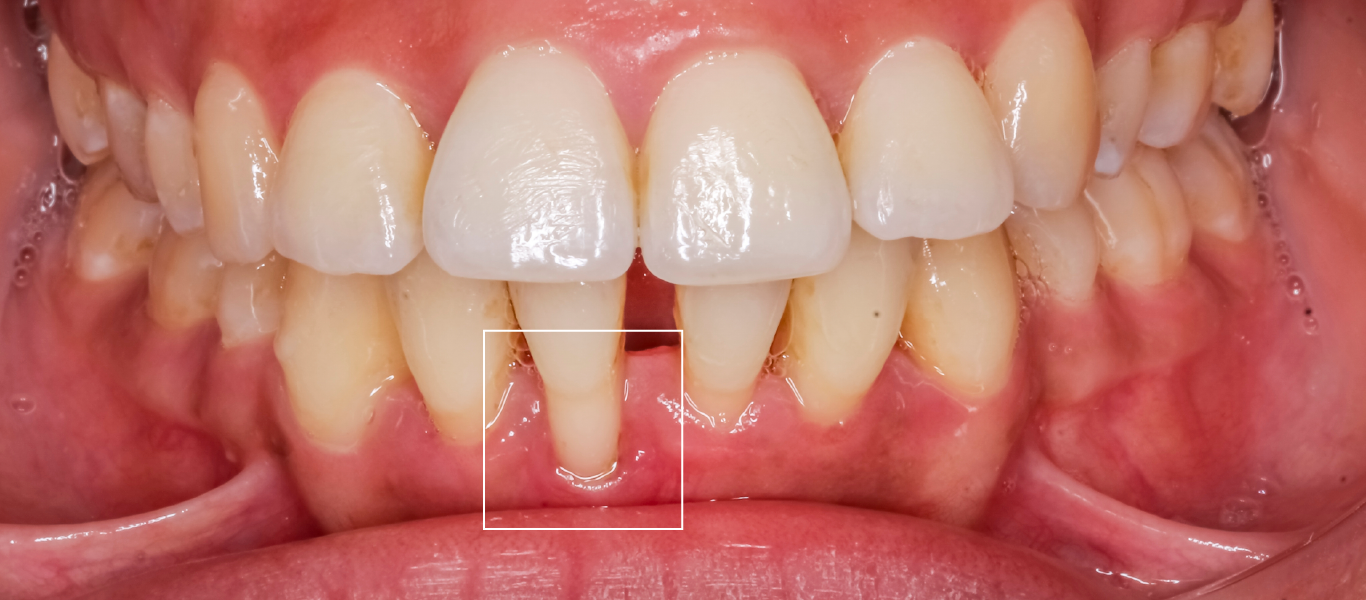
Gingival recession: why does the gum recede and when should it worry?
The gum receded and the tooth looks bigger? Know what the signs and possible causes of gingival recession are, when to seek evaluation and how it can be treated.
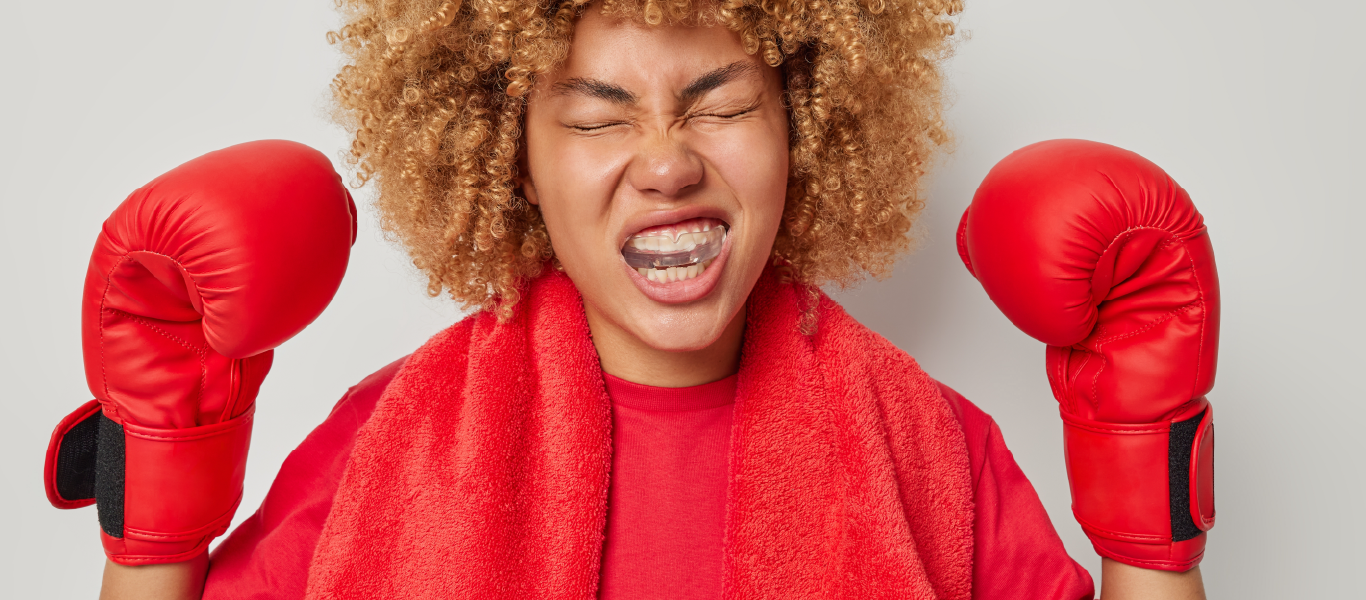
Back to workouts? A personalized mouthguard protects more than just your smile
Doing sports at risk of impact? Learn how a personalized mouthguard helps protect teeth, gums and oral tissues.