


Importance of water in oral health
The water you drink every day also protects your teeth
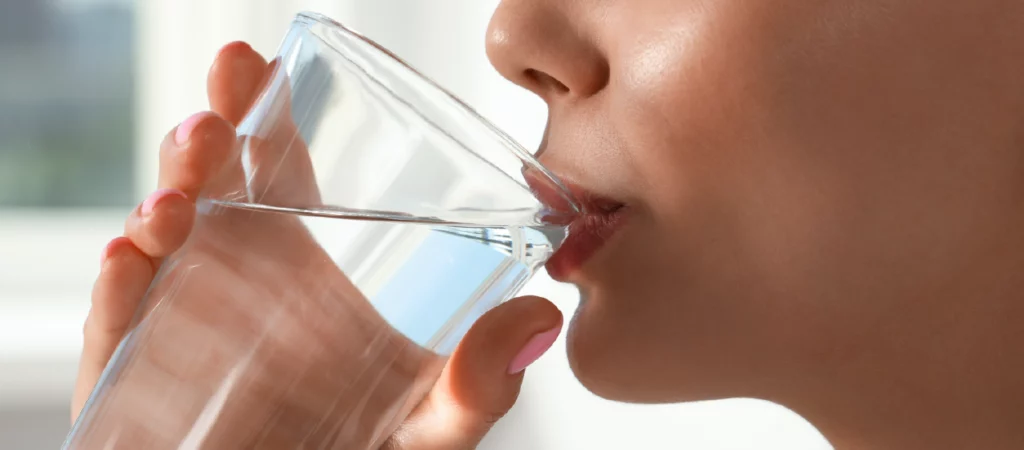
The general benefits of water are widely known: it regulates body temperature, supports the elimination of toxins and contributes to the balance of the whole organism. What is less talked about is the role of water in oral health.
Drinking enough water is not just a general recommendation for well-being and oral health consequences.
Drinking water in adequate quantities has a direct impact on saliva production, tooth decay prevention and protection against oral infections. Drinking little, on the contrary, has negative consequences in the oral cavity and can cost you treatments that would be essential.
Contents approached
Principles that make water essential for the mouth
The mouth is a permanently humid environment by necessity, not by chance. Saliva directly depends on the hydration level of the body, and it is it that protects the teeth and mucous membranes against acids, bacteria and everyday mechanical aggressions.
When water intake is insufficient, salivary production is reduced, and this reduction has consequences that go beyond the uncomfortable sensation of dry mouth, and manifests itself in functions as elementary as speaking or swallowing.
The Order of Physicians and Dentists (OMD) defines xerostomia (dry mouth) as: “a “sensation of dry mouth” and is characterized by a quantitative decrease in salivary flow at rest (to less than 50%) or a change in saliva composition, without decrease in salivary flow. This condition affects approximately 4-29% of the adult population, being more common in females.
Consequences of a lack of water in the mouth
Saliva performs several functions simultaneously:
- Neutralizes the acids produced by bacteria after meals;
- Facilitates chewing and swallowing;
- Contributes to the remineralization of tooth enamel.
A scientific paper published in the European Journal of Clinical Nutrition identifies dehydration, even to a mild degree, as a relevant risk factor for dental health, precisely because it compromises the quantity and quality of saliva available to protect the oral cavity.
It is no exaggeration to say that water is also a clinical prevention tool. Taking care of hydration is first and foremost taking care of the defense of your mouth.
When ingestion is insufficient, the consequences manifest themselves concretely beyond the appearance of pathologies. They also affect basic everyday functions, such as speaking and swallowing, and translate into the following situations:
Saliva is the first defense barrier against bacteria, and this defense does not depend only on the amount produced, it also depends on its quality.
It is the saliva that regulates the balance of oral bacterial flora. When hydration is insufficient, this balance is affected both in quantity and quality, and the mouth favors the proliferation of less beneficial bacteria to the detriment of protective bacteria, a phenomenon known as oral dysbiosis. It is this dysbiosis, not the lack of water per se, that lies at the root of the generality of the problems we detail below.
Saliva not only protects teeth and gums, it is also essential for such basic functions as speaking and swallowing. When the salivary flow decreases, the mouth loses the lubrication necessary to articulate fluent words (which can cause discomfort when speaking for prolonged periods) and to chew and swallow foods, especially the driest or fibrous ones. This difficulty is not always recognized as a sign of dehydration, but it is often one of the first signs that the body is not getting enough water.
Without a constant salivary flow, the balance of bacterial flora is affected and the mouth becomes more exposed to the bacteria responsible for bad breath. A study published in 2025 in the Journal of Clinical Medicine, conducted by the Faculty of Dentistry at the University of Timișoara, Romania, directly measured this relationship in healthy young adults and confirmed that the lower the salivary flow on morning fasting, higher concentration of compounds responsible for bad breath and greater personal perception of halitosis.
Dry mouth (xerostomia) does not cause gingivitis directly, but significantly increases the risk. With less saliva to perform its natural antibacterial function, the plaque accumulates more easily next to the gum, which can evolve into inflammation, bleeding and, in later stages without treatment, periodontitis, with loss of dental support and, eventually, mobility or loss of teeth.
- Drinking water regularly is not a substitute for brushing or clinical follow-up, but it is proven to be one of the simplest ways to reduce the risk of these conditions, both functional and pathological, simultaneously.
Water and caries prevention
In addition to the indirect role we have already seen through saliva, water also has an immediate effect on cavities. This is, incidentally, the same logic of oral dysbiosis that we have already explained, insufficient hydration favors the proliferation of bacteria responsible for cavities, so prevention also starts with the amount of water we drink throughout the day.
Dental cavities form when acids produced by plaque bacteria persistently demineralize enamel, and drinking water after meals, particularly after consuming sugary or acidic foods, helps to dilute these residues and reduce the time of exposure of teeth to an acidic environment, even before there is an opportunity to brush.
Myth or reality: Is tap water the most suitable?
The Order of Physicians and Dentists recommends that, whenever possible, preference be given to tap water for daily hydration purposes, as it is an economical and sustainable option compared to bottled water. This is the basis for any water consumption recommendation.
There is, however, a Portuguese particularity that is worth knowing, and which does not change the previous recommendation, only complements it.
Unlike what happens in countries like Brazil or the United States, in Portugal there is no artificial fluoridation of public water supply. This only means that tap water should not be seen as the main route of protection against cavities through fluoride, a role played in Portugal mainly by fluorinated toothpaste, with concentrations that must be adjusted to each person’s age.
In practice, this does not take away any value from drinking tap water. Regular hydration continues to support saliva production and the natural process of enamel remineralization, and specific protection against cavities is guaranteed by toothbrushing with fluoride paste, not by the origin of the water being drunk.
According to the Order of Dentists, the consumption of soft drinks, energy drinks and other sugary beverages represents a recognized risk for the appearance of cavities, with water, along with milk, being identified by the Order itself as the most appropriate drink to keep teeth healthy.
Sugary drinks, as they combine two risk factors simultaneously, high sugar content and acidity, which together accelerate enamel demineralization. Water has none of these effects.
- Replacing a sugary drink with water is not only a healthier choice overall, it’s a decision that directly impacts the risk of tooth decay and erosion.
Importance of water for teeth: recommended daily intake
According to the SNS24, the recommended amount of water for an adult is between 1.5 liters and 2 liters per day, equivalent to eight to ten glasses of water. In children, the recommendation is between 1 liter and 1.5 liters, with significantly lower values before the age of 12 months.
These values are indicative and vary according to the physical activity, climate conditions and individual characteristics of each person. When in doubt about your specific needs, guidance from a healthcare professional is always the most reliable reference and it’s time to contact A Clínica.
When dry mouth is a warning sign
Feeling the mouth dry occasionally, for example after a poorly slept night or on a particularly hot day, is not a cause for concern.
The situation is different when dry mouth becomes persistent, a condition clinically known as dry mouth, which increases the risk of cavities, oral infections and discomfort in chewing and speaking.
We have already explained in our article on oral health in the cold how colds and associated medication can be one of the most common causes of dry mouth in the colder months.
However, whenever dry mouth persists for several weeks, regardless of the cause, it should be evaluated in consultation, and not just resolved with the point increase of water intake.
Caring for hydration is a simple gesture, but if you feel your mouth dry often, a clinical evaluation in A Clínica allows you to understand whether you are facing a habit to correct or a sign that deserves further investigation.
You may be interested in:
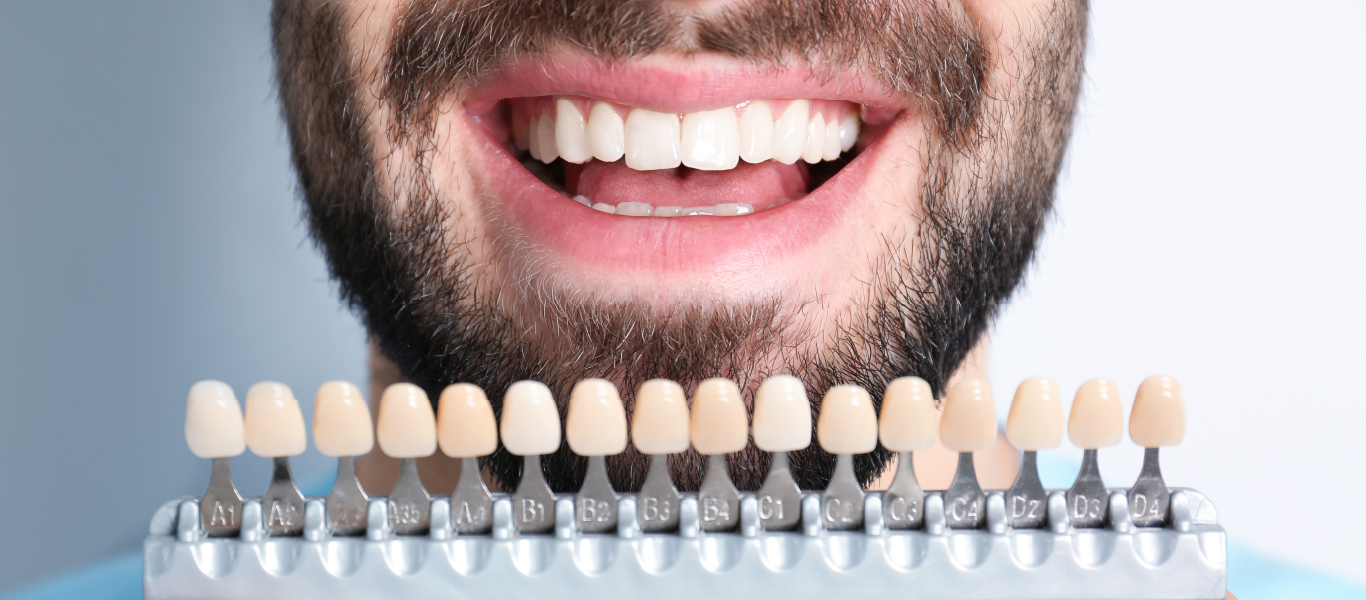
Cosmetic dental check-up: what you should evaluate before bleaching your smile
Will you bleach your teeth? Without a dental beauty check can ignore inflammation, wear or hidden cavities. Know what should be evaluated first.

Steps to enhance the smile with facial aesthetics without losing naturalness
Improving the smile without exaggeration is possible, as you will notice in this article where we talk about facial and dental aesthetic treatments designed for demanding adults who value authenticity.
How tobacco affects your teeth. What you can do before it’s too late
Find out how smoking affects your teeth and what you can do to get your smile back. From bleaching to aesthetic rehabilitation, current technology returns color, health and self-esteem.
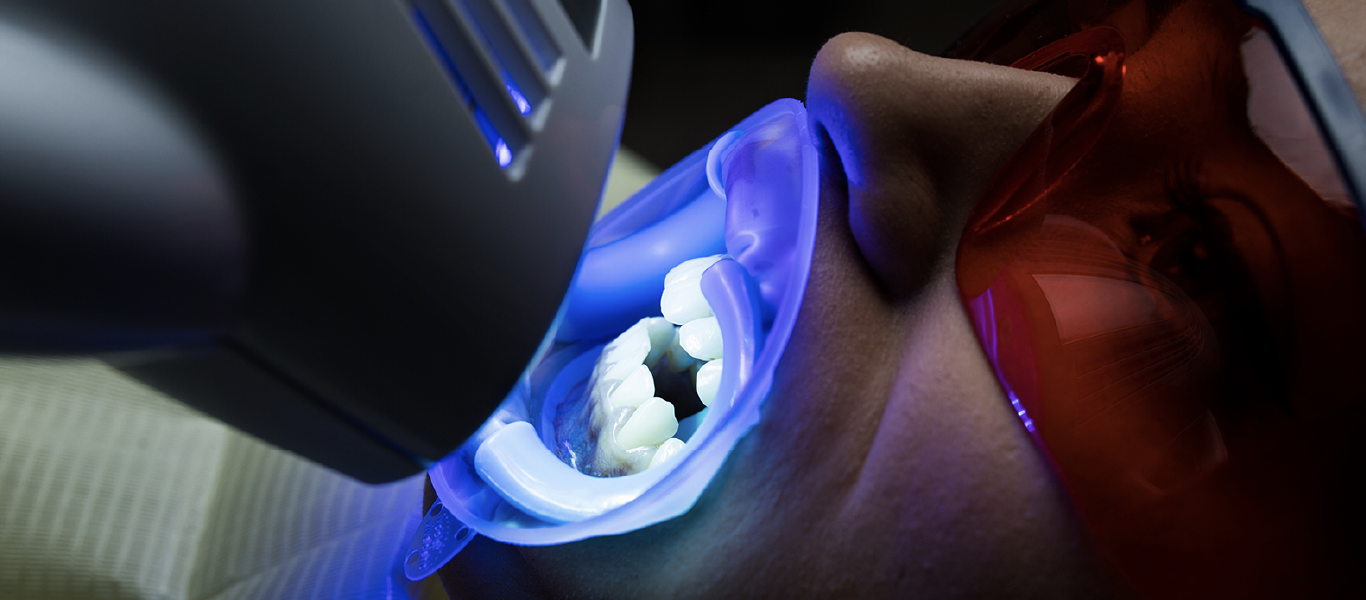
Myths about tooth whitening, but also the truths!
It’s one of the myths about tooth whitening: does it damage the tooth enamel or not? Do the results last forever? Read and find out.