
Oral health at 21: the maturity of your smile
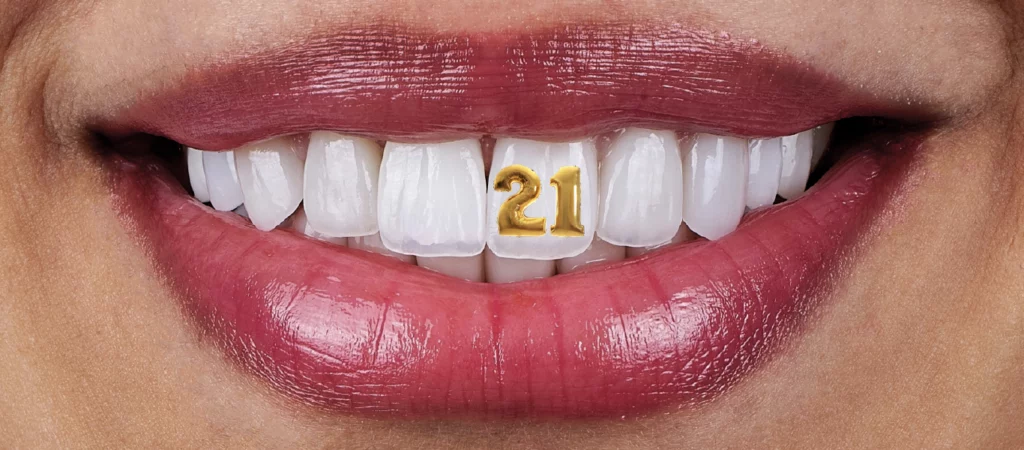
There are ages that pass almost without a trace; others that bring associated “age crises”; and, finally, there are others that, without much fuss, mark a moment of real change.
In life, they mark a phase of greater autonomy, more conscious decisions and responsibility over choices that are no longer temporary.
In dentistry, they often coincide with a relevant clinical point: the maturation of the maxillomandibular complex, which tends to stabilize in early adulthood, allowing more predictable and long-lasting planning. That’s why oral health at age 21 is so important!
This happy coincidence between personal maturity and structural maturity. In fact, in this case the coincidences do not exist, but they are a context. And it is in this context that it makes sense to stop, evaluate and decide with discretion.
In this article, and starting from numerology, precisely from number 21, we will explain this milestone in oral health, where autonomy and conscious decisions emerge. Even for the Dr. Pedro Mota Clinic, find out why!
Contents approached
When the structure stabilizes, the way of treating the teeth must be different
During childhood and adolescence, the mouth is constantly adapting. The bones grow, the bite adjusts, the teeth erupt, and many treatments are thought of as intermediate stages in a process still evolving.
In early adulthood, this pace slows down. The structure tends to become more stable, which, from a clinical point of view, allows another type of approach: less focused on compensating for growth and more oriented towards stability, function and longevity.
- It does not mean that all treatments are indicated at the age of 21. It means something more important: decisions can be planned with a longer horizon, as long as there is a strict diagnosis and clear clinical indication.
That is why the Order of Dentists consistently reinforces the importance of assessment, prevention and regular follow-up as a basis for sustained oral health.
Oral health at 21: when to evaluate is more important than to intervene!
In this phase of life, there are often some clinical issues regarding the oral health of adults that deserve to be analyzed calmly and without haste, such as those we will talk about next.
Sisos: decide with information, not pain
- Sipes are not a problem by definition. They become a problem when their position makes hygiene difficult, causes recurrent inflammation or creates a risk for neighbouring teeth. The early assessment of sisos allows to decide between surveillance or intervention, avoiding acute situations in the future.
Orthodontics: function before aesthetics
Is it the best time for orthodontic treatment?
-
For some patients, the age of 21 years coincides with the completion phase of orthodontic treatment and bite consolidation.
For others, it is the moment when you realize that the issue was never just aesthetic, but functional: wear, overload, instability or difficulty of hygiene. The right question is not "wear braces?" but whether the bite is balanced and healthy.
Dental aesthetics: consequence of a well-treated and solid base
- Bleaching, veneers or dental contact lenses only make sense when the base is protected. The clinical order does not change: gingival health, masticatory function and correct proportions always come before aesthetics. When this logic is respected, the result tends to be more natural and lasting.
Dental implants and final decisions in adulthood
Despite the joviality of age, at 21 we can also encounter situations of dental absence.
Advances in dentistry have allowed implants to be a widely studied and used solution in these situations, provided that there is clinical indication and individual evaluation.
It is the American Dental Association (ADA) that describes dental implants as an effective and long-term option to replace lost teeth when properly planned, as we talk about here.
However, there is a catch. Scientific organizations such as the International Team for Implantology underline the importance of respecting skeletal maturity and evidence-based planning to ensure predictability.
The tooth 21: a small detail with central impact
The central incisor 21, according to the international dental nomenclature, corresponds to the upper left central incisor. It is a structurally simple tooth, but functional and aesthetically determining.
Participates in essential tasks such as:
- Cutting of food;
- Phonetics;
- Visual perception of smile.
When this tooth is fractured, blackened, misaligned or absent, the impact is immediate because it changes the midline and facial harmony.
Rehabilitating a central incisor is not an isolated gesture. Requires precise planning and respect for function and aesthetics.
It’s a good example of how, in dentistry, small details can have significant consequences. After all, it’s just a tooth!
21 years of clinical practice: from prevention to conscious rehabilitation
And it is not that the history of the Dr. Pedro Mota Clinic accompanies the natural evolution of its patients’ teeth.
For many years, we bet on prevention, oral hygiene education and regular consultation as a way to reduce disease.
After 21 years, this work has borne fruit. Today, our patients arrive with more awareness, healthier gums and different expectations. In addition, they all have better oral health. N’A Clínica have found a differentiated form of treatment, based on the latest technology associated with this know-how!
Prevention continues to be the basis, but clinical reality has evolved into more complex needs that require planning, technology and continuous training.
This is the context of endodontics assisted by microscope, which allows greater precision and tooth preservation in situations that previously could culminate in extraction.
Oral hygiene with GBT protocol: method and biofilm control
Precisely a prevenção moderna absenta em método.
It was with this thought that EMS Dental developed the Guided Biofilm Therapy (GBT), a revolutionary protocol structured and based on scientific evidence for the control of biofilm, promoting efficacy and comfort during professional oral hygiene.
The Dr. Pedro Mota Clinic, celebrating 21 years of existence, is proud to be a dental clinic in Vila Franca de Xira certified for the application of this protocol, as we have already seen.
This type of approach reinforces the idea that well applied technology is not superfluous, it is clinical rigor.
Resolution of 21 years: deciding with time is part of the treatment
At 21, many problems are still in their infancy.
It is precisely at this stage that they are easier to solve, with less intervention and greater predictability.
Therefore, the message we want to leave to those who are 21 years old is not to make treatments, but to evaluate, understand and plan.
A well-conducted consultation allows you to protect what is healthy and intervene only where necessary, based on clinical data rather than urgency.
Schedule your dental appointment at A Clínica and start to prevent at age 21 to reach the elderly with healthy teeth.
After all this you have already discovered why not mark 21 years only as a symbolic milestone.
In many cases, it is the moment when oral health ceases to be provisional and begins to be thought with a long-term vision.
In the Dr. Pedro Mota Clinic, in Vila Franca de Xira, this approach has been maintained for 21 years: prevention as a basis, technology at the service of clinical rigor and decisions made with time, information and responsibility.
Taking care of the smile is, above all, taking good care. We continue for another 21 years to return smiles…
You may be interested in:
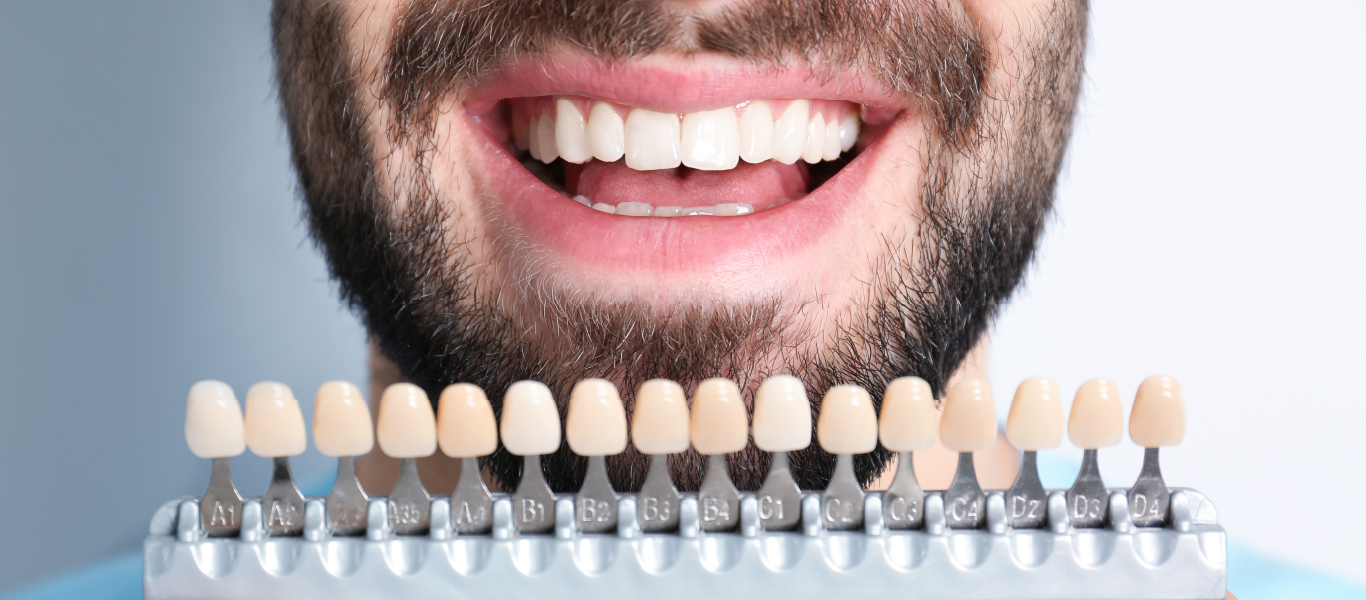
Cosmetic dental check-up: what you should evaluate before bleaching your smile
Will you bleach your teeth? Without a dental beauty check can ignore inflammation, wear or hidden cavities. Know what should be evaluated first.

Steps to enhance the smile with facial aesthetics without losing naturalness
Improving the smile without exaggeration is possible, as you will notice in this article where we talk about facial and dental aesthetic treatments designed for demanding adults who value authenticity.
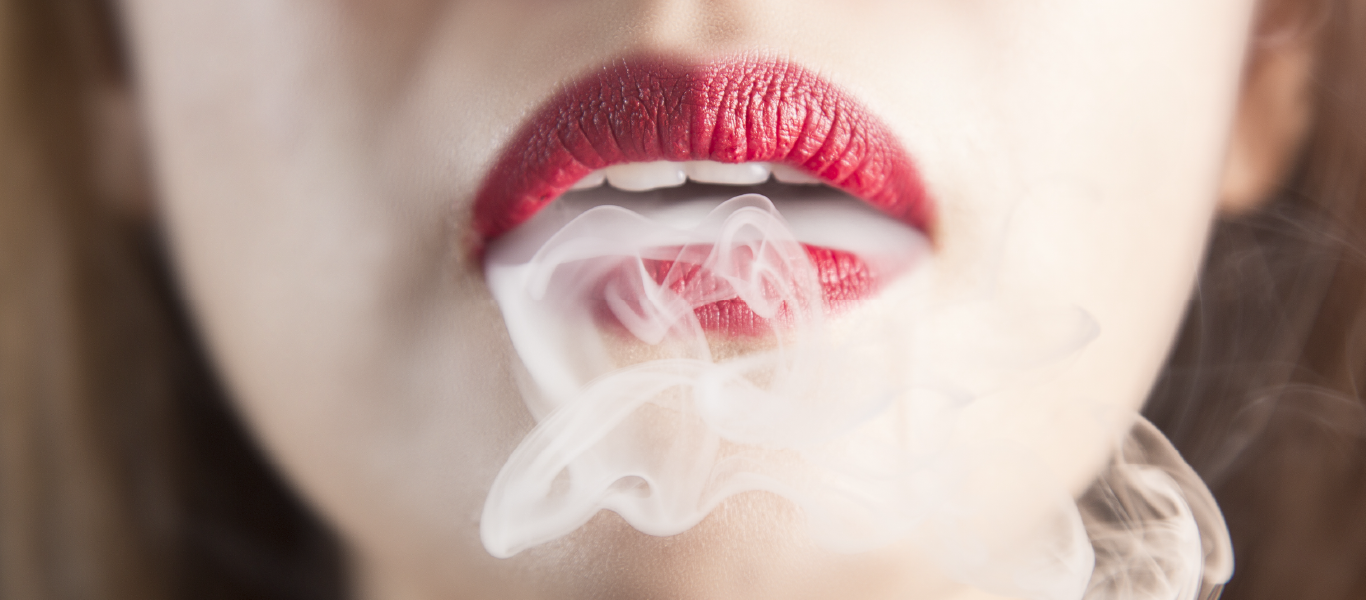
How tobacco affects your teeth. What you can do before it’s too late
Find out how smoking affects your teeth and what you can do to get your smile back. From bleaching to aesthetic rehabilitation, current technology returns color, health and self-esteem.


